



The Mighty Comeback of Millets
For decades, millets like ragi, jowar, and bajra were sidelined, often viewed as the diet of rural or older generations as polished rice and wheat dominated urban kitchens. Today, these ancient grains are making a powerful comeback, rebranded as superfoods
for a new generation of health-conscious city dwellers. Rich in fibre, protein, essential minerals, and B vitamins, millets are a nutritional powerhouse. Their low glycemic index helps in managing blood sugar levels, making them an excellent choice for preventing lifestyle diseases like diabetes. This health halo is a primary driver behind their renewed popularity, as urban consumers actively seek nutrient-dense, gluten-free alternatives to processed foods.
A Return to Regional Roots
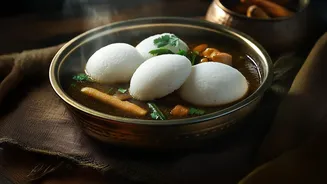
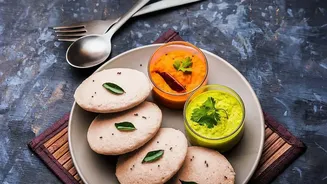
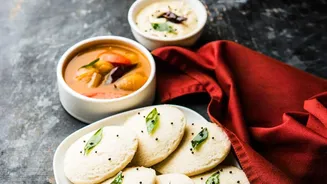
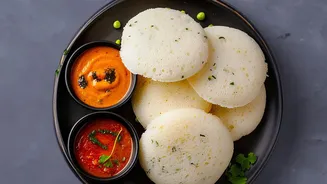
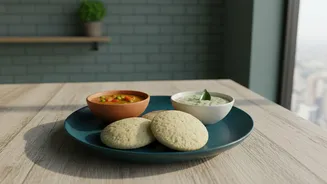
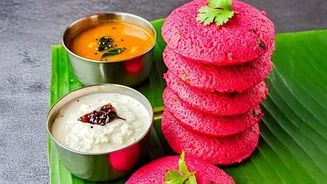
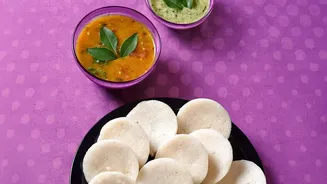
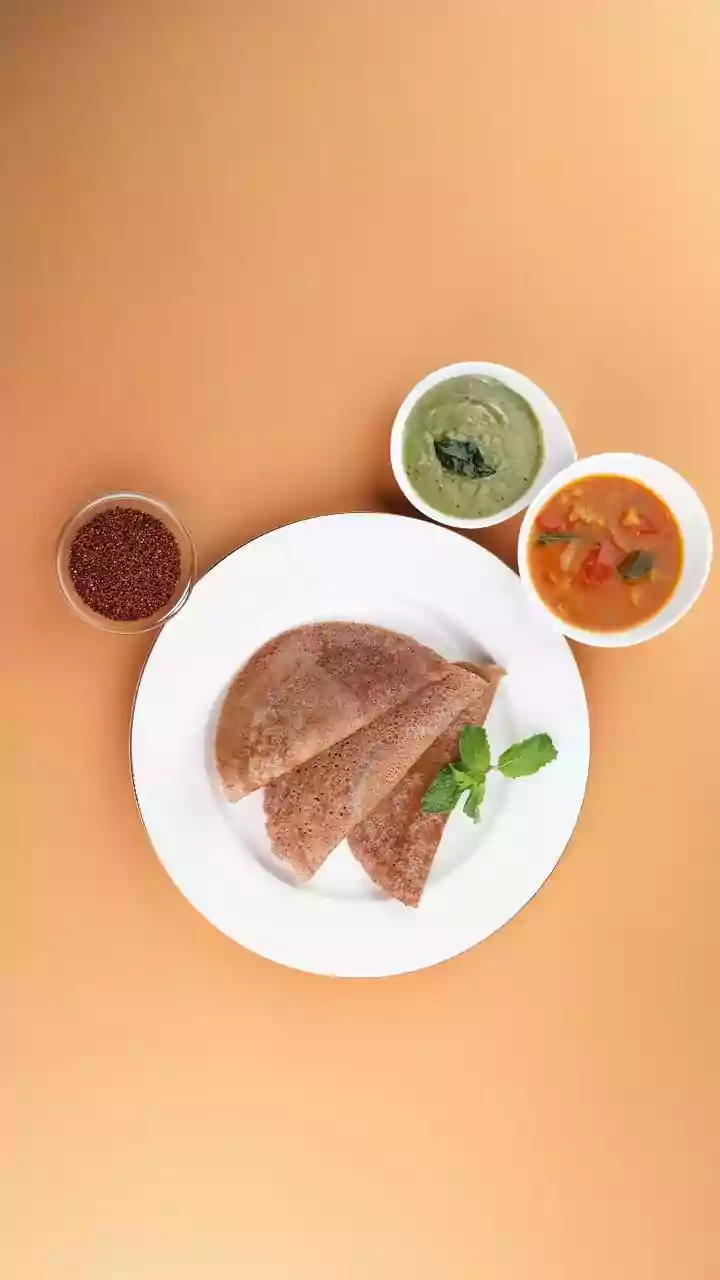
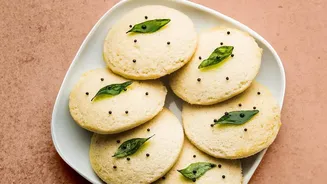
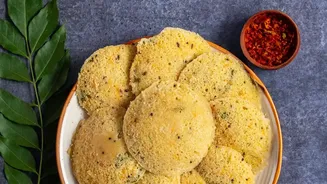
This shift is more than just a health trend; it's a cultural reclamation. Urban households are increasingly turning away from Western-style breakfasts and embracing the diverse culinary heritage of India. Freshly prepared regional meals like appams, idlis, and dosas, once weekend treats, are now becoming weekday staples. This movement reflects a growing appreciation for traditional recipes and the comfort of familiar flavours. Chefs and home cooks are creatively incorporating millets into these beloved dishes, making a ragi dosa or a jowar appam a common sight on breakfast menus and dining tables, blending nostalgia with modern nutritional wisdom.
Convenience Meets Tradition in the City
One of the biggest enablers of this trend is the booming market for ready-to-cook (RTC) and ready-to-eat (RTE) options. In a fast-paced urban environment, time is a luxury. Startups and established food brands have stepped in, offering fresh, pre-mixed batters and instant mixes for millet-based idlis, dosas, and upmas. These products make it incredibly convenient for busy individuals and families to enjoy a wholesome, traditional breakfast without the extensive preparation time. This fusion of convenience and tradition has been crucial, allowing heritage foods to fit seamlessly into modern lifestyles. The market for millet-based packaged foods, especially in South India, is expanding rapidly, demonstrating the scale of this adoption.
More Than Just a Meal
Choosing a millet appam over a bowl of cornflakes is a decision that extends beyond the plate. It signifies a move towards more mindful and sustainable eating. Millets are climate-resilient crops, requiring significantly less water than rice and wheat, making them an environmentally friendly choice. This aligns with the values of a growing number of urban consumers who are conscious of their food's ecological footprint. The government's promotion of millets, including the declaration of 2023 as the International Year of Millets, has further boosted awareness and availability. This combination of personal health benefits and planetary wellness makes the switch to millet-based breakfasts a compelling proposition for modern Indians.