


From Ready-to-Eat to Ready-to-Cook
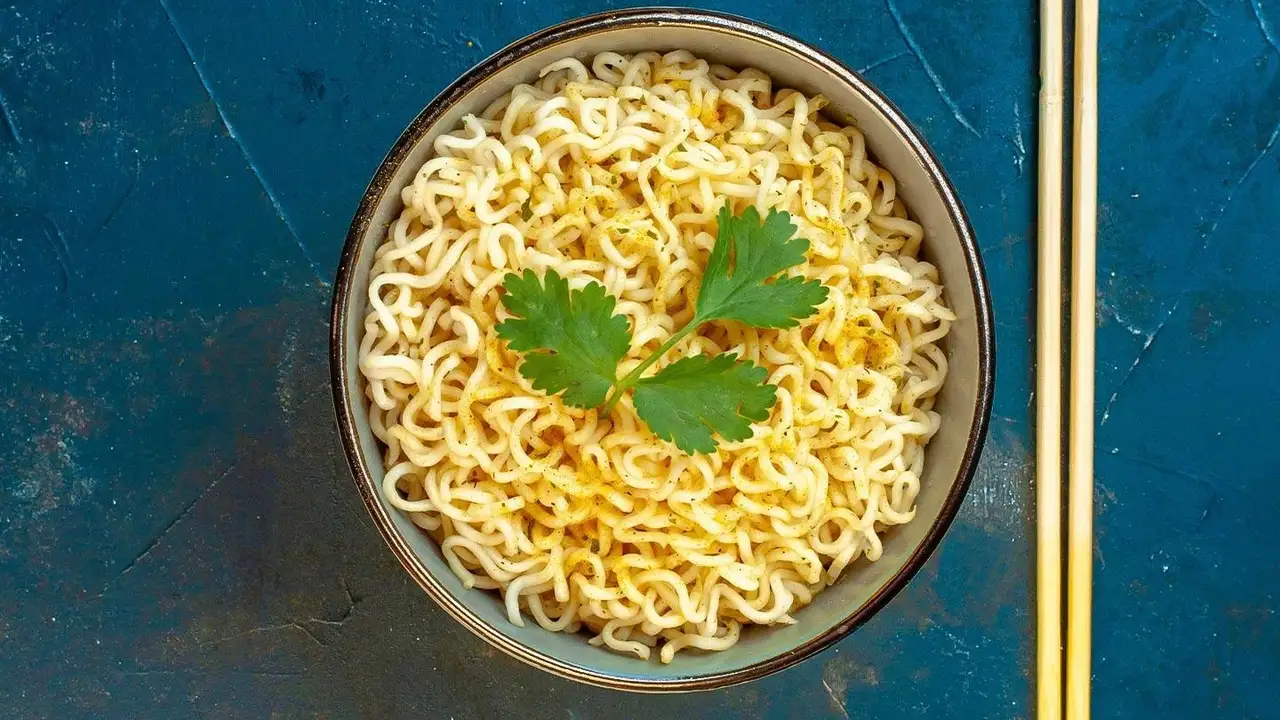
For years, convenience was king, and it often came in a package. Frozen meals, instant noodles, and restaurant deliveries were the go-to solutions for time-strapped urban households. While these options aren't disappearing, their role is changing. The
new hero of the weeknight meal is not a fully prepared dish, but rather a set of smart shortcuts that make home cooking faster and more appealing. This marks a significant pivot from passive consumption to active, albeit quicker, preparation. Consumers are seeking a middle ground between a meal made entirely from scratch and a pre-packaged dinner. They want the satisfaction and perceived health benefits of cooking, but without the traditional time commitment of planning, shopping, and chopping.
The Key Ingredients: Health, Cost, and Control
Several factors are stirring this change. Health consciousness is a primary driver. After years of growing awareness about processed foods, many are looking to control ingredients, reduce sodium and preservatives, and incorporate more fresh produce. Studies show that home-cooked meals are generally healthier, containing fewer calories and less saturated fat than typical restaurant fare. Economics also plays a huge role. With rising food inflation and the high cost of dining out, cooking at home is a clear way to manage household budgets. A meal for a family of four can be significantly cheaper to prepare at home than to order from a restaurant, even before factoring in delivery fees and tips. This financial pressure, combined with a desire for better nutrition, is pushing people back toward their own kitchens.
The New Era of Kitchen Helpers
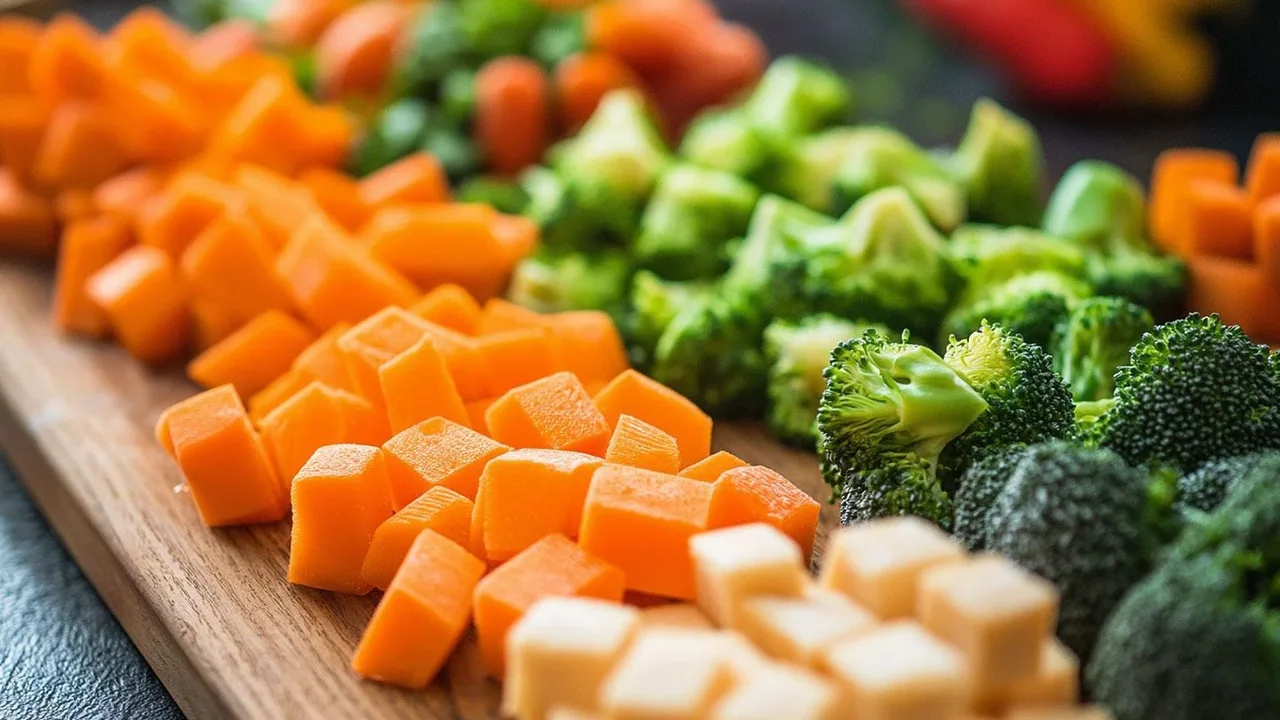
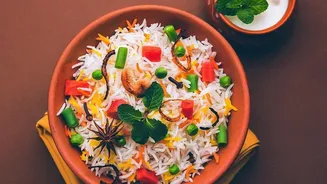
This isn't about returning to slow, laborious cooking methods. The modern home cook is armed with an arsenal of products and services designed to accelerate the process. The market for ready-to-cook (RTC) meal kits is booming in India, with services delivering pre-portioned ingredients and recipes right to the doorstep. Brands are offering everything from DIY biryani kits to components for global cuisines like tacos and lasagna. Supermarket shelves are also evolving. You can now easily find pre-chopped vegetables, peeled garlic, ready-made spice pastes, and high-quality sauces that drastically cut down prep time. Even quick commerce platforms, promising delivery in minutes, are changing the game, making it possible to get a missing ingredient without derailing dinner plans.
Social Media Sets the Menu
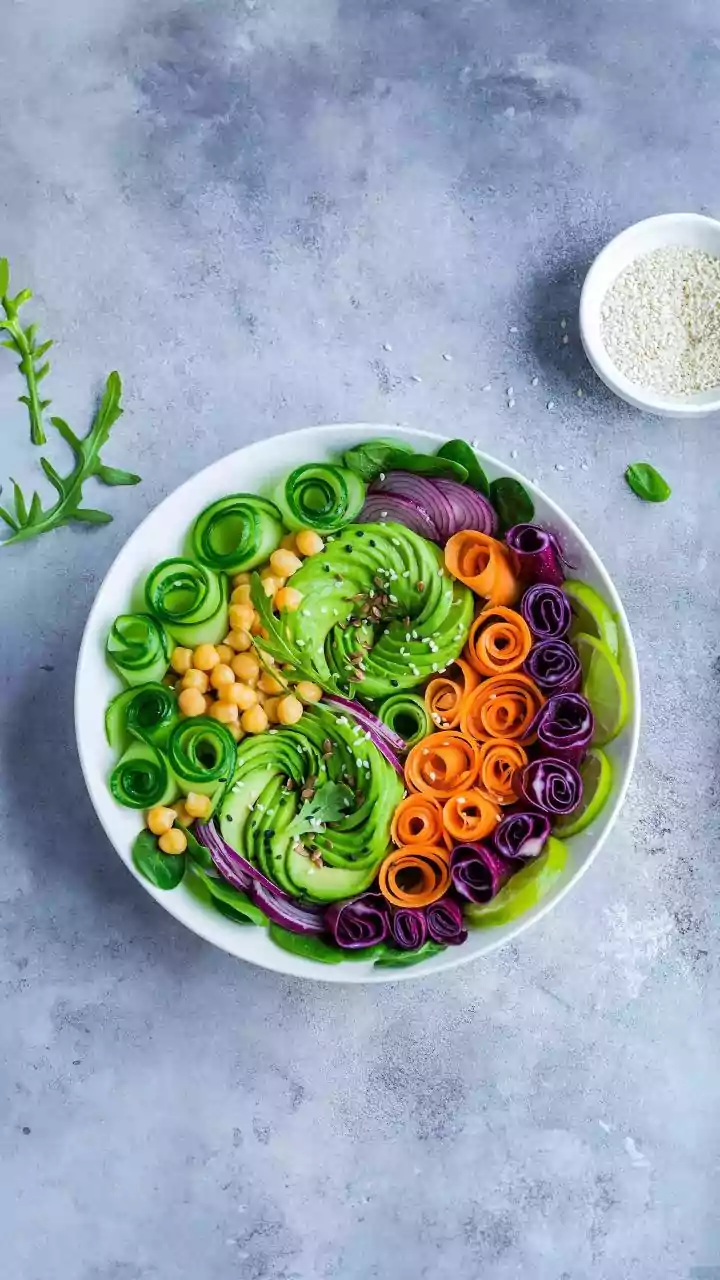
Inspiration for these quick meals is often just a scroll away. Social media platforms like Instagram and TikTok have become virtual cookbooks, filled with viral recipes that are often designed for speed and simplicity. Trends like one-pot pastas, creative salads, and high-protein wraps provide endless ideas that feel both trendy and achievable on a busy weeknight. These visual, step-by-step guides demystify cooking for novices and offer fresh ideas to seasoned home chefs, making the idea of preparing a meal feel less like a chore and more like a fun, creative experiment. The influence is so strong that it’s shaping what people search for and ultimately what they cook.