





The Seeds of an Industrial Giant
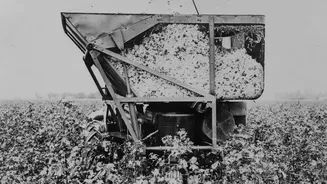
Coimbatore's journey as a textile powerhouse has ancient roots, with evidence of its high-quality cotton trade reaching as far as the Roman Empire 2,000 years ago. However, the industrial transformation began in the late 19th century. The region's natural
advantages were undeniable: rich black soil ideal for cotton cultivation, a moderate climate perfect for spinning, and a strategic location. The British colonial administration recognised this potential, introducing new cotton varieties. The catalyst for industrialisation arrived in 1888 with the establishment of the Coimbatore Spinning and Weaving Mills, popularly known as Stanes Mill, by Sir Robert Stanes. This marked the beginning of a new era, transitioning the region from a cotton-growing area to a manufacturing hub.
Becoming the Manchester of South India
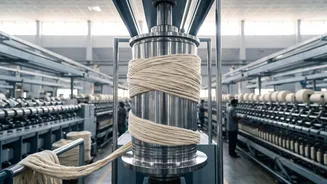
The 1920s and 1930s were a period of explosive growth. The commissioning of the Pykara hydroelectric project in 1932 provided abundant and affordable electricity, fuelling a boom in industrial activity. Local entrepreneurs seized the opportunity, importing machinery and establishing numerous mills. By the mid-20th century, the city was teeming with spinning mills, earning its famous moniker, the 'Manchester of South India', for its sheer concentration of textile activity. Unlike its British namesake, which was known for finished fabrics, Coimbatore’s strength lay predominantly in producing high-quality cotton yarn. This specialisation made it the primary supplier to textile centres across the country, cementing its role as the 'yarn basket' of India.
An Industry That Built a City
The textile industry did more than just drive the economy; it built the city itself. The proliferation of mills, which numbered over 25,000 at one point, created immense employment opportunities, drawing a skilled workforce from across the region. This growth spurred the development of ancillary industries, most notably the engineering and machinery manufacturing sector, which initially emerged to service and repair textile equipment. Industry bodies like The Southern India Mills' Association (SIMA), established in 1933, played a crucial role in advocating for the industry and pioneering worker welfare measures, setting standards that were ahead of their time. This ecosystem of industry, innovation, and social infrastructure shaped Coimbatore's unique entrepreneurial culture.
Navigating Modern Challenges
Today, Coimbatore's textile industry faces a new set of challenges. Increased competition, rising production costs, particularly for electricity, and a heavy reliance on cotton from other states present significant hurdles. The industry, which accounts for nearly one-third of India's textile business, is grappling with global market pressures and the need for constant innovation. In response, there is a strong push towards modernisation and diversification. Many mills are shifting focus to value-added products like specialty yarns, technical textiles for medical and industrial use, and sustainable fabrics made from recycled or alternative fibres like banana and hemp. This pivot is essential for maintaining a competitive edge in a rapidly evolving global market.
Weaving a Sustainable Future
Sustainability is the new frontier for Coimbatore's textile leaders. Facing growing pressure from global buyers for greener supply chains, companies are increasingly investing in eco-friendly practices. This includes adopting cleaner technologies, improving energy efficiency, and focusing on circular manufacturing principles where waste is minimised. Research institutes within the city are at the forefront of developing medical and industrial textiles, positioning Coimbatore as a centre for high-tech fabric innovation. By embracing these changes, the industry is not just addressing its environmental impact but is also future-proofing itself, ensuring that its legacy of resilience and innovation continues for generations to come.