
What Exactly is a Sodium-Ion Battery?
At its core, a sodium-ion battery functions almost identically to the lithium-ion batteries found in smartphones and most current electric vehicles (EVs). It has a positive electrode (cathode), a negative electrode (anode), and a liquid electrolyte that
allows charged ions to move between them, storing and releasing energy. The key difference, as the name suggests, is that it uses sodium ions—derived from common salt—instead of lithium ions. This isn't a new idea, as sodium chemistry was explored in the 1980s, but recent advancements and the soaring demand for cheaper energy storage have brought it back into the spotlight.
The Core Advantage: Abundance and Cost
The primary appeal of sodium-ion technology is its potential to significantly reduce costs. The raw materials are simply cheaper and more plentiful. Sodium is the sixth most abundant element, found globally in seawater and rock salt, making it thousands of times more common than lithium. This abundance insulates it from the supply chain bottlenecks and price volatility that affect lithium, cobalt, and nickel, which are essential for many high-performance lithium-ion batteries. Furthermore, sodium-ion cells can use inexpensive aluminum for current collectors on both the anode and cathode, whereas lithium-ion cells require more expensive copper on the anode side, further trimming production costs.
Performance, Safety, and Trade-offs
Of course, there are trade-offs. The most significant is energy density. Currently, sodium-ion batteries store less energy per kilogram than their lithium-ion counterparts. This means a heavier, bulkier battery is needed to achieve the same range, making them less ideal for long-range, premium EVs where every kilogram counts. However, for smaller, entry-level city cars with a target range of 250-400 km, this lower energy density is perfectly adequate. On the plus side, sodium-ion batteries offer significant safety and performance benefits. They are less prone to thermal runaway (catching fire) and demonstrate excellent performance in extreme temperatures, retaining up to 90% of their capacity in freezing conditions where lithium-ion batteries often struggle. They can also be safely discharged to zero volts, making them safer and easier to transport.
The Road to Mass Production
What was once a laboratory concept is now becoming a commercial reality, largely driven by Chinese battery giants. CATL, the world's largest battery manufacturer, has been a frontrunner, resolving key manufacturing bottlenecks and starting mass production of its sodium-ion cells in 2026. In early 2026, CATL partnered with automaker Changan to unveil the world's first mass-produced passenger EV equipped with sodium-ion batteries, with market launch slated for mid-year. Rival firm BYD is also heavily invested, developing its own sodium-ion technology for smaller models like its Seagull city car and for stationary energy storage. While the technology is still maturing, these developments signal that the era of GWh-scale sodium-ion production has arrived.
What This Means for Car Buyers in India
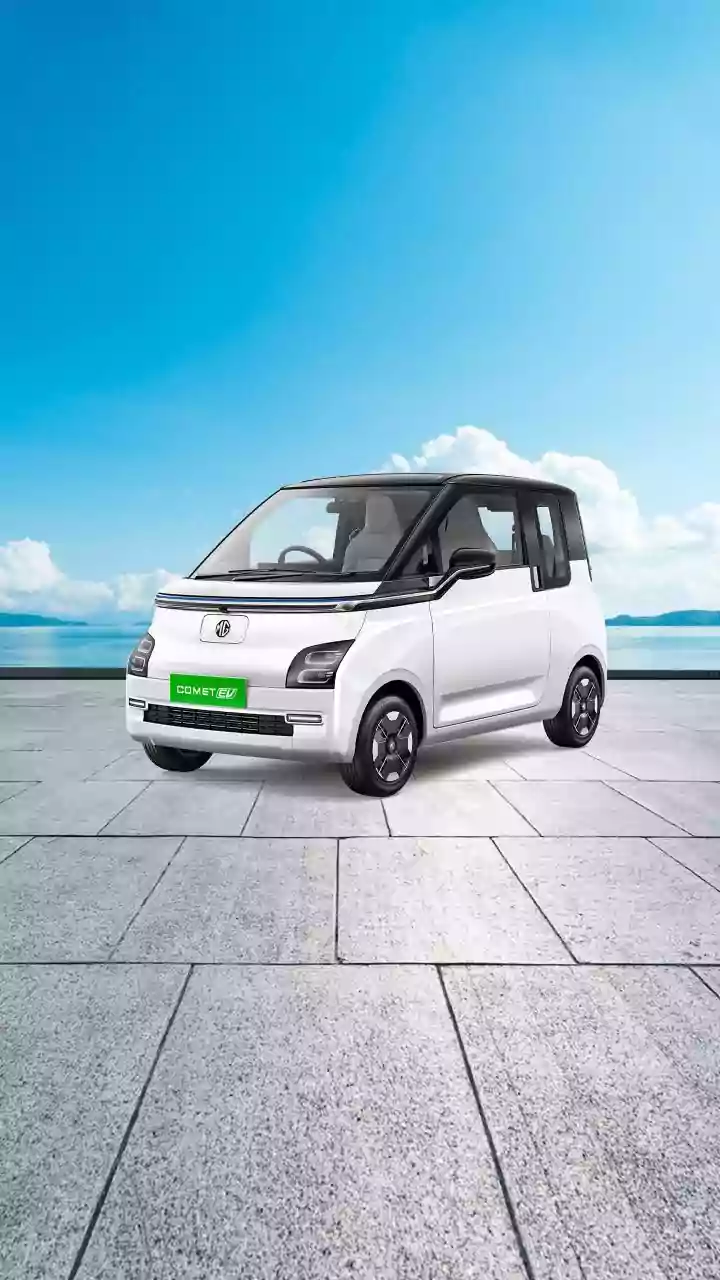
For the Indian market, where cost is a critical factor, sodium-ion technology could be a game-changer. The prospect of more affordable entry-level EVs, priced significantly lower than current offerings, could accelerate mass adoption. This technology is particularly well-suited for the two- and three-wheeler segments and for compact city cars, which constitute a large portion of the Indian automobile market. The superior performance in varied temperatures is another plus for the Indian climate. While it won't replace high-performance lithium-ion batteries in luxury EVs, sodium-ion technology creates a vital new tier in the market. It represents a practical pathway to making electric mobility accessible to a much broader audience, finally putting the dream of an affordable EV within reach for millions.