



The Challenge of Hectic Indian Work Life
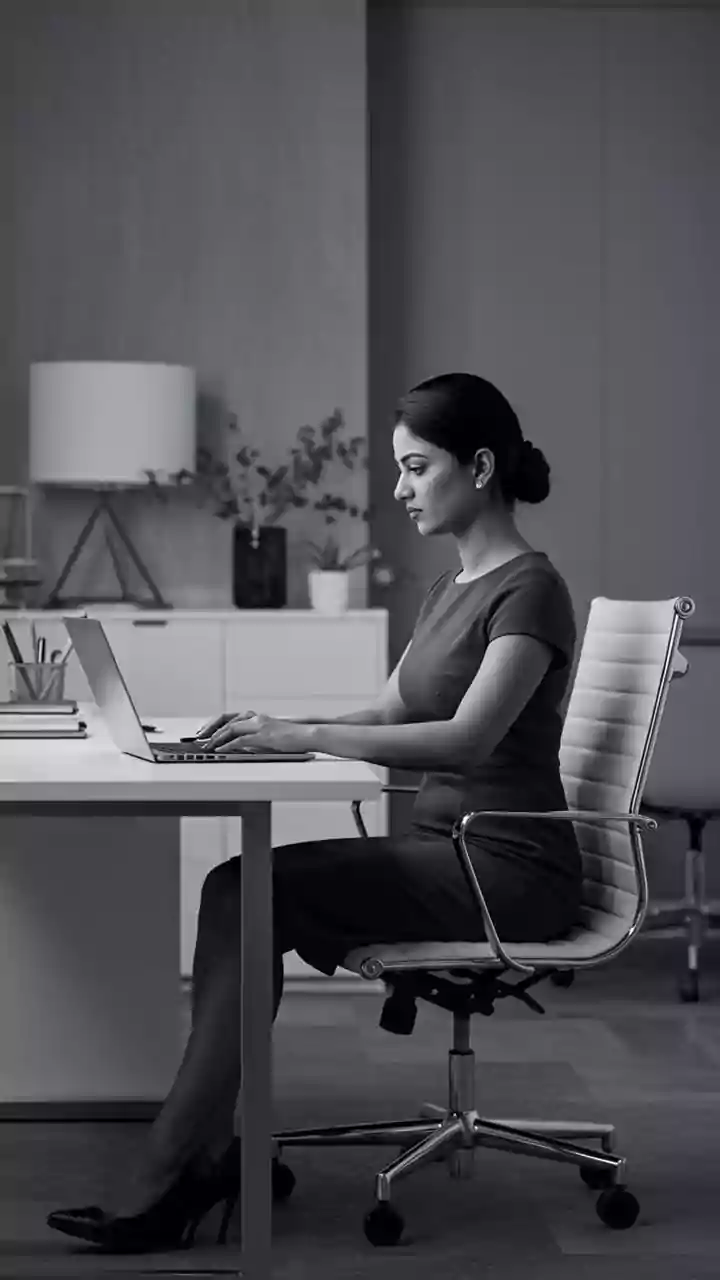
The modern Indian workplace is demanding. Professionals often face long working hours, lengthy commutes, and a cultural expectation to be available well beyond the standard nine-to-five. This 'always-on' culture makes it difficult to commit to a rigid
morning workout. Mornings can be a frantic rush, and by the time the workday officially ends, overtime or unexpected tasks frequently push personal time later into the night. This leaves many feeling that there is simply no reliable window for self-care, leading to stress and burnout. The constant pressure and blurred boundaries between work and home life take a significant toll on both mental and physical well-being.
The Flexible Alternative: The Evening Walk
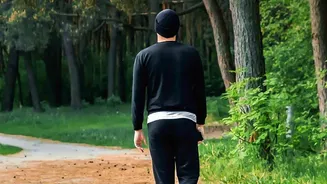
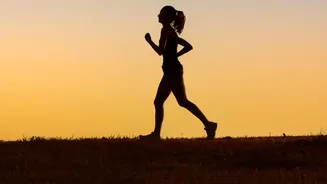
Unlike a gym class with a fixed start time or a morning jog that can be derailed by an early meeting, the evening walk is inherently adaptable. It doesn't demand punctuality. Whether you finish work at 7 PM or 9 PM, the opportunity for a walk remains. This flexibility is its greatest strength. It isn't about hitting a specific time but about creating a buffer between your professional and personal self. The goal is to signal to your brain and body that the workday is over. This mental separation is crucial for reducing stress and preventing the workday from bleeding into your entire evening.
A Ritual to Decompress and Destress
One of the most significant benefits of an evening walk is its power to help you mentally unwind. The rhythmic motion of walking can have a meditative effect, helping to clear your mind of the day's worries and interrupt anxious thought patterns. Studies show that physical activity, even a gentle walk, releases endorphins—the body’s natural mood boosters—which helps to lower stress and anxiety. Walking after work serves as a powerful ritual that helps you transition from a state of high alert to one of rest and relaxation, improving your overall mood and promoting a sense of calm.
Physical Benefits Beyond Just Steps
The advantages of an evening walk extend well into the night. A light stroll after dinner is known to aid digestion and can reduce issues like bloating. It also helps regulate blood sugar levels, preventing the spikes that can occur after an evening meal. Furthermore, this gentle activity can significantly improve sleep quality. Raising your core body temperature slightly with a walk, followed by a cool-down period before bed, can signal to your brain that it's time to sleep, helping you fall asleep faster and enjoy a more restful night. It's a low-impact way to support cardiovascular health without the intensity of a high-energy workout.
How to Build a Sustainable Habit
The key to making an evening walking habit stick is to embrace its flexibility. Don't set rigid rules. On a busy day, a 10-minute walk is better than no walk at all. The goal is consistency, not intensity or duration. Find what makes it enjoyable for you—listen to music, a podcast, or simply enjoy the quiet. Planning ahead by having your shoes ready can make it easier to start. Most importantly, view it not as another task on your to-do list, but as a non-negotiable appointment with yourself for mental and physical restoration.