



Start with a Ruthless Declutter
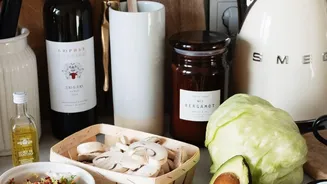
Before you can organise, you must know what you have. Begin by taking everything out of your pantry and cupboards. Group similar items together on your counter or table. This is the moment to be honest with yourself. Get rid of anything past its expiration
date, spices that have lost their aroma, and that specialty flour you bought two years ago for a recipe you never made. Check for duplicate items you may have bought by mistake—a common issue in a cluttered space. This initial purge creates the blank canvas you need to build a functional system.
Create Dedicated 'Zones' for Ingredients
One of the most effective strategies is to stop thinking of your pantry as one big storage area and instead create 'zones'. Group items by category and how you use them. For instance, have a baking zone with flours, sugars, and leavening agents. Create another for daily cooking essentials like oils, dals, and rice. A separate zone can be for snacks, breakfast items, or festive-specific ingredients. Storing frequently used items at eye level or within easy arm's reach of your cooking station saves precious time and eliminates constant searching.
Embrace the Power of Clear Containers
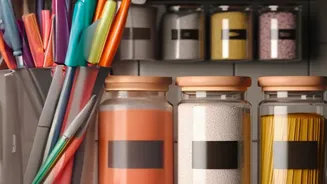
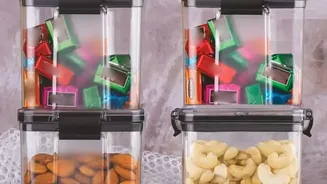
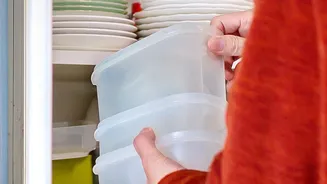
Decanting dry goods from their original, often bulky packaging into clear, airtight containers is a game-changer. It not only looks neater but also allows you to see inventory at a glance, preventing you from buying a third bag of chana when you already have two. Uniform, stackable containers, whether glass or plastic, maximise vertical shelf space. For an Indian kitchen with its vast array of spices, moving them to identical small jars stored on a tiered riser or a turntable (lazy Susan) can make finding the right one effortless.
Label Everything, Without Exception
This step might seem tedious, but it's the glue that holds your entire system together. Once ingredients are in uniform containers, you can't tell besan from maida by sight alone. Use clear, legible labels on every jar, container, and bin. Include the name of the ingredient and, if you're extra diligent, the purchase or expiry date. This simple habit prevents costly mistakes during cooking and reduces food waste by ensuring you use older items first, following the 'First-In, First-Out' principle.
Utilise Overlooked Spaces
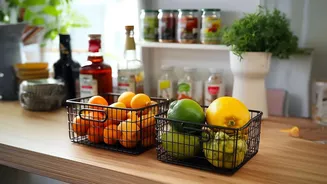
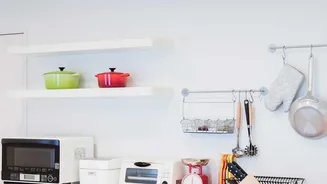
Don't let any space go to waste, especially in smaller kitchens. The inside of cabinet doors can be fitted with racks to hold spice packets, small jars, or cutting boards. Under-shelf baskets can be hung from existing shelves to create a new layer of storage for small, lightweight items. Shelf risers or stackable shelves are invaluable for doubling the usable space on a single shelf, allowing you to see items in the back row without having to move everything in front.
Assemble 'Kits' for Frequent Recipes
For dishes you make regularly during the festive season, consider creating recipe kits. Use a small basket or bin to group all the non-perishable ingredients needed for a specific dish. For example, a 'chole kit' could contain the canned chickpeas, tea bags for colour, and all the necessary whole and ground spices. When it's time to cook, you just grab the one kit instead of hunting for ten different items. This also works wonderfully for creating a dedicated tea and coffee station for when guests arrive, with sugar, tea bags, and coffee jars all in one place.