



A Football Field in the Heavens
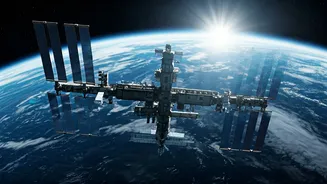
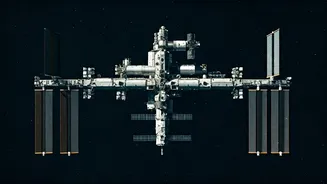
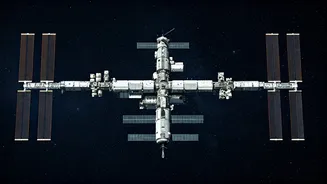
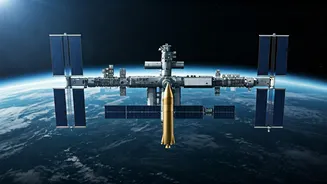
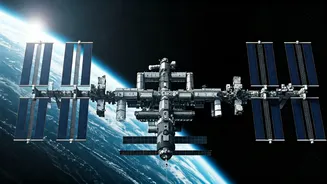
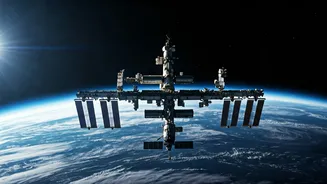
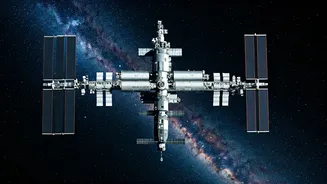
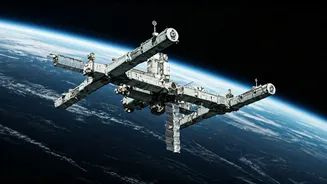
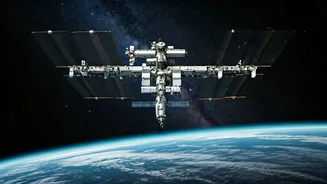
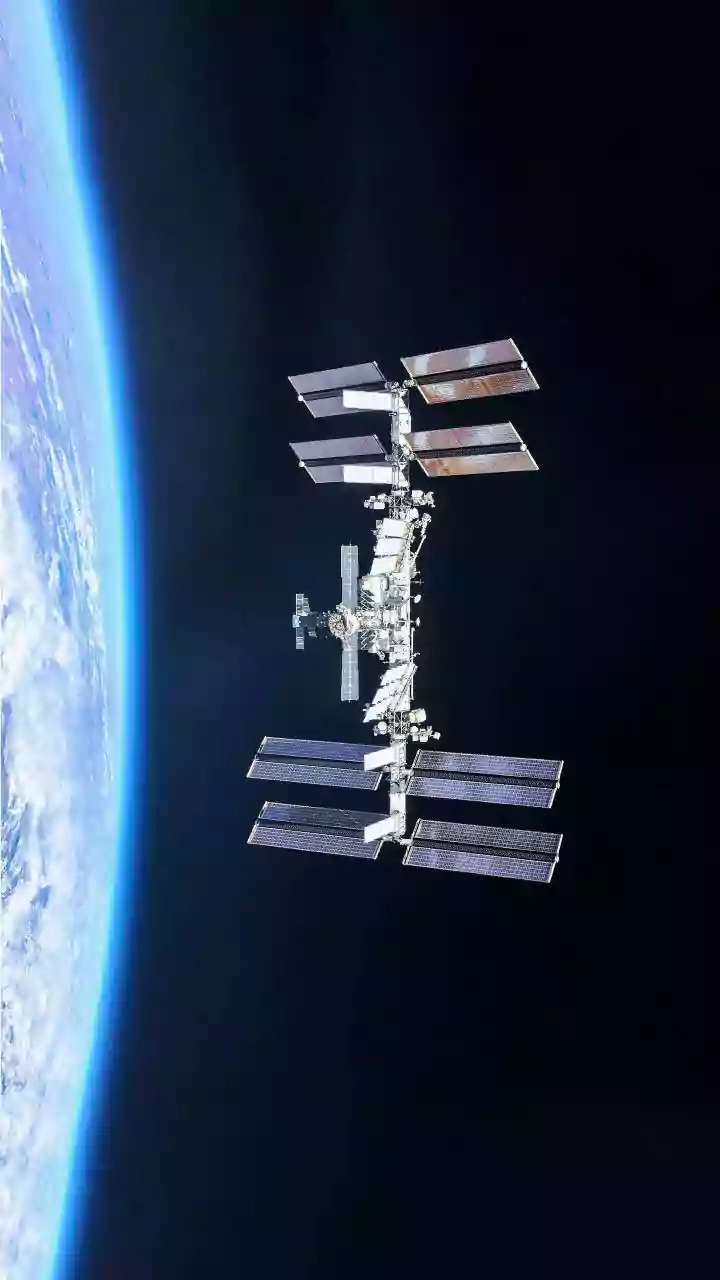
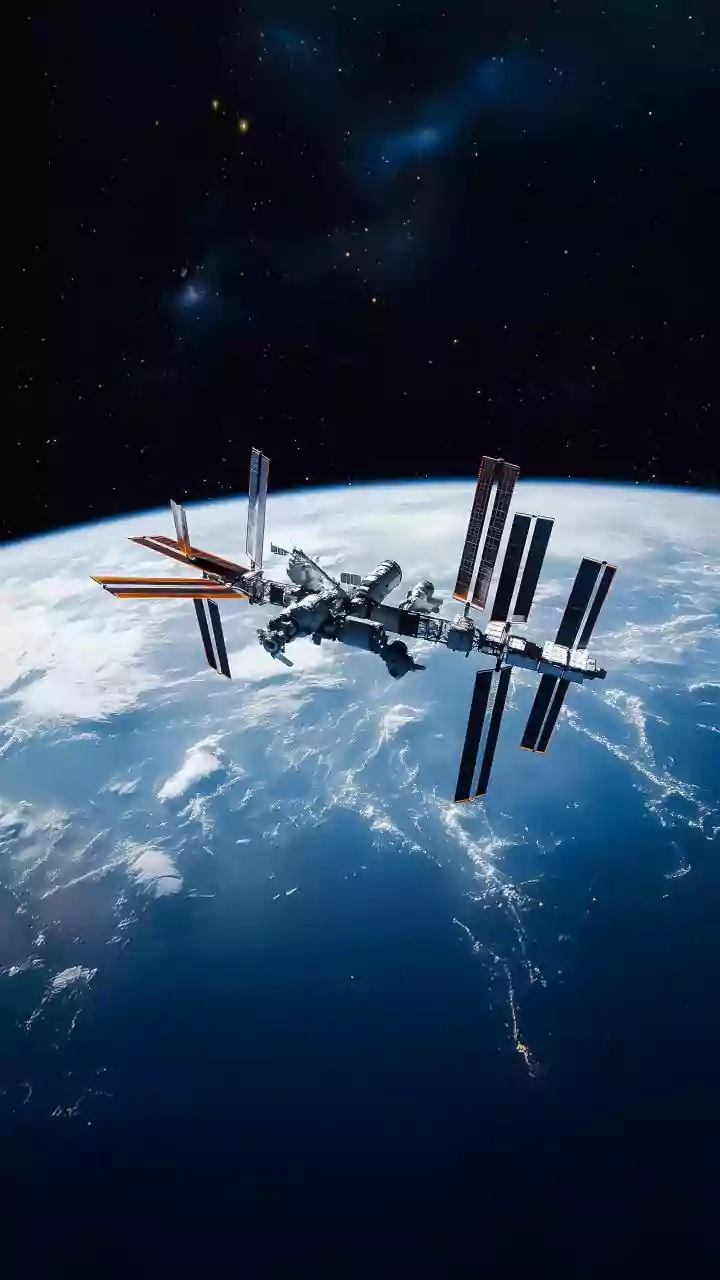
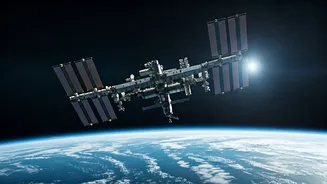
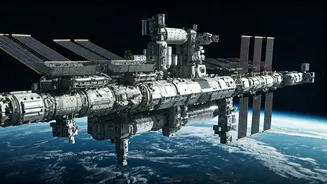
The International Space Station (ISS) is a sprawling, modular research facility that orbits the Earth approximately every 93 minutes. Spanning the area of a football field and weighing around 450,000 kilograms, it is the largest human-made structure ever put
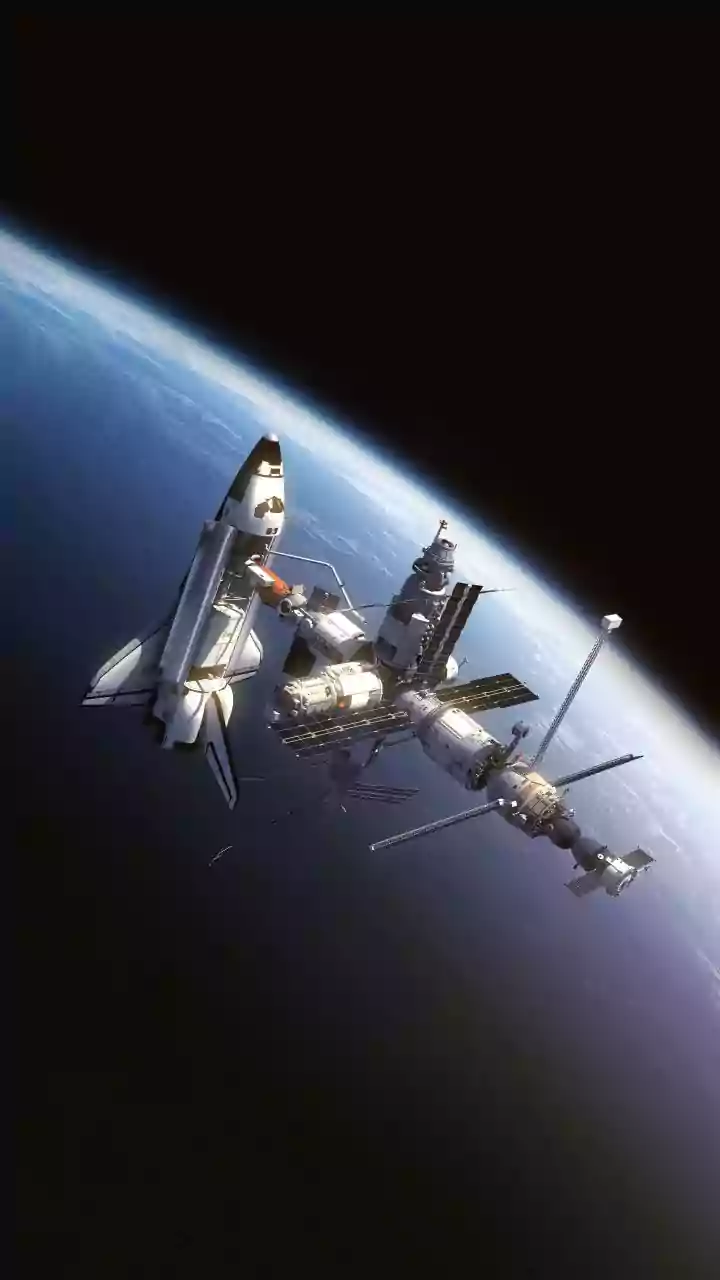
into space. Continuously inhabited by a rotating crew of astronauts and cosmonauts since November 2000, it serves as a home, an observatory, and a state-of-the-art laboratory. The station was not launched in one piece but was painstakingly assembled in orbit over more than a decade, a feat of engineering that required dozens of launches and spacewalks to connect its various modules, solar arrays, and robotic arms.
The Staggering Price Tag
Pinning down the exact cost of the ISS is complex, as the expenses are spread across five major space agencies—NASA (USA), Roscosmos (Russia), ESA (Europe), JAXA (Japan), and CSA (Canada)—over several decades. However, the most widely cited figure places the total cost of construction, assembly, and operations at over $150 billion. This makes it the most expensive single object ever built by a wide margin. To put that in perspective, the cost dwarfs that of other massive engineering projects like the Large Hadron Collider or major aircraft carriers. The annual operating costs alone run into the billions, covering everything from resupply missions and crew transport to system maintenance and scientific support.
Why Build a Floating Laboratory?
So, what justifies such a monumental investment? The primary purpose of the ISS is science. It is a unique laboratory that offers a sustained microgravity environment, allowing researchers to conduct experiments that are impossible on Earth. This research spans numerous fields, including medicine, materials science, physics, astronomy, and biology. Scientists study the effects of long-term spaceflight on the human body, such as muscle atrophy and bone density loss, which is crucial for planning future missions to Mars and beyond. The station has also yielded breakthroughs in areas like water purification technology, remote medical diagnostics, and understanding combustion, with benefits that extend to life on Earth.
A Symbol of Global Cooperation
Beyond its scientific mandate, the ISS is one of the most powerful symbols of international cooperation in history. Born from the geopolitical ashes of the Cold War, the project brought together former rivals to achieve a common goal. Fifteen nations have contributed to the station, creating a collaborative framework that has endured through political tensions on the ground. Every day, astronauts from different countries live and work together in close quarters, relying on each other for their very survival. In this sense, the station's value is not just scientific but also diplomatic, demonstrating a model for peaceful collaboration on a global scale.
The End of an Era Approaches
Despite its successes, the ISS is an aging piece of hardware. After more than two decades of continuous operation, the station is currently scheduled for decommissioning around 2030. The plan involves a controlled deorbit, where the massive structure will be carefully guided to break up and fall into a remote area of the Pacific Ocean known as the spacecraft cemetery. However, this will not be the end of humanity's presence in low-Earth orbit. NASA and its partners are fostering the development of commercial space stations, built and operated by private companies like Axiom Space, to serve as successors to the ISS. These new outposts will continue the work of in-space research and manufacturing, ushering in a new, more commercialized era of space exploration.