





The Official Disconnect
To understand the shadow trade, one must first look at the formal freeze. In August 2019, following India's decision to revoke Article 370, Pakistan suspended bilateral trade. This move brought an already strained commercial relationship to a near-complete
standstill. India had previously withdrawn Pakistan's Most Favoured Nation (MFN) status and imposed a 200% tariff on Pakistani imports after the Pulwama attack earlier that year. While Pakistan has made occasional exceptions for essential items like life-saving medicines and their raw materials, the official land and sea routes for most goods have remained shut, severing direct economic ties.
The Dubai Detour
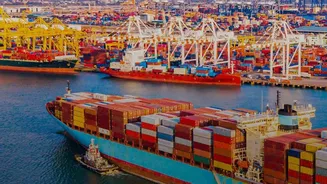
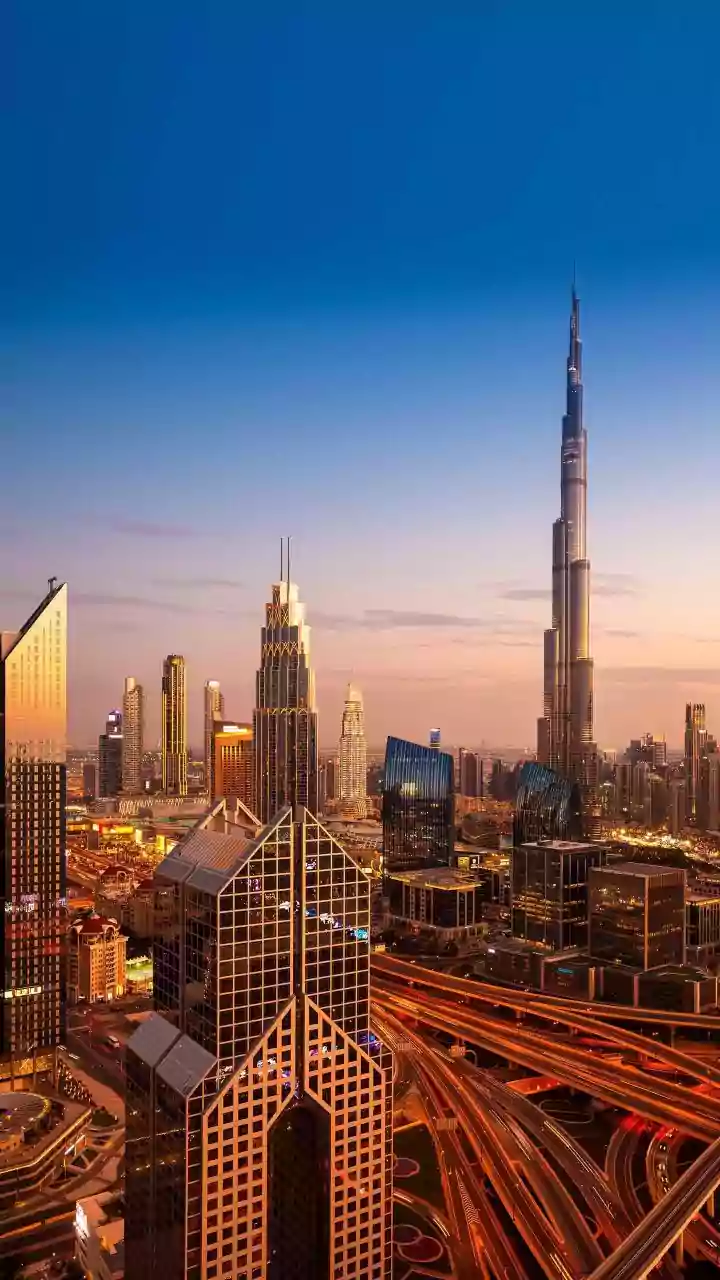
Markets, however, are persistent. When a direct path is blocked, they find a detour. For India-Pakistan trade, the primary detour runs through the United Arab Emirates, particularly Dubai, with Singapore and Sri Lanka also playing a role. The process is straightforward: Indian exporters ship their goods to Dubai. There, in bonded warehouses, the products are offloaded, and their documentation is altered. Labels are changed, and the country of origin is listed as the UAE instead of India. These relabelled goods are then re-exported to Pakistan, legally entering the country as imports from the UAE. This grey-zone trade allows commerce to continue despite official restrictions.
What's on the Shopping List?
The scale of this indirect trade is staggering. While official bilateral trade dwindled to a few hundred million dollars, a 2025 report by the Global Trade Research Initiative (GTRI) estimated that Indian goods worth over $10 billion annually reach Pakistan through these indirect channels. This figure is several times larger than the formal trade volume even before the 2019 suspension. The products cover a wide spectrum, reflecting Pakistan's reliance on Indian supply chains for cost-effective, quality goods. The list includes pharmaceuticals, organic chemicals, rubber, plastics, textiles, machinery parts, tea, and sugar.
The Cost of an Indirect Route
While this system allows goods to flow, it comes at a cost. The primary losers are Pakistani consumers and businesses, who end up paying a premium for these rerouted products due to the added logistics, warehousing, and middleman fees in Dubai. This has been cited as a significant financial burden on Pakistan's economy. Both the Indian and Pakistani governments also lose out on customs revenue that would have been collected from direct trade. The main beneficiaries are the traders in intermediary hubs like Dubai who profit from the relabelling and re-exporting process, and the Indian exporters who retain access to a significant market, albeit indirectly.
An Economic Inevitability?
The persistence of this indirect trade highlights a fundamental reality: economic logic often outweighs political posturing. For many Pakistani industries, Indian suppliers are the most viable option due to geographical proximity, cultural similarities in consumer tastes, and competitive pricing. Sourcing the same goods from more distant markets in Europe or East Asia would be significantly more expensive and time-consuming. This underlying economic interdependence ensures that as long as there is demand in Pakistan and supply in India, the market will find a way to connect them, even if it requires a detour through the Arabian desert.