

What Exactly Is El Niño?
El Niño, which means “the boy child” in Spanish, is a natural climate phenomenon defined by the unusual warming of surface waters in the central and eastern equatorial Pacific Ocean. This isn't just a localised event; this vast expanse of warmer water releases
immense heat into the atmosphere, altering air pressure and disrupting the normal pattern of global air circulation. This major atmospheric shift, known as the Walker Circulation, is what connects the Pacific's temperature to weather patterns thousands of kilometres away, including the Indian monsoon. El Niño events are not new, typically occurring every two to seven years and lasting for nine to twelve months, but their intensity and impact can vary dramatically.
The Monsoon Connection
India's economy and society are intricately linked to the performance of the southwest monsoon, which provides about 80% of the country's annual rainfall. During a normal year, a strong temperature difference between the hot Indian landmass and the cooler Indian Ocean pulls moisture-laden winds from the sea, resulting in widespread rain. El Niño weakens this entire system. The altered atmospheric circulation reduces the flow of moisture towards India, making the monsoon weaker, erratic, or delayed. Historically, there is a strong correlation between El Niño years and below-normal rainfall in India. Since 1950, 15 drought events have occurred in India, and 10 of these were in El Niño years. The current 2026 event is already strengthening, with forecasts suggesting it could persist into early 2027, leading to a monsoon rainfall deficit.
A Threat to the Harvest
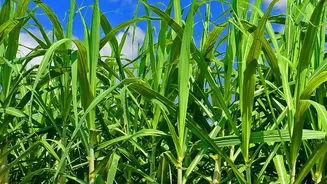
The most immediate concern is for India's Kharif (summer) crops, which are planted in June and July and are critically dependent on monsoon rains. Nearly half of the country's farmland is rain-fed, meaning it lacks access to irrigation. A weak or poorly distributed monsoon can lead to moisture stress, lower crop yields, and in severe cases, crop failure. Key crops like rice, maize, pulses, cotton, and sugarcane are particularly vulnerable. This directly impacts the livelihoods of millions of farmers, who constitute nearly half of India's workforce. The ripple effects extend to everyone. Reduced agricultural output can strain food supply chains and lead to higher food price inflation, disproportionately affecting poor and middle-class families.
Pressure on Water Reserves
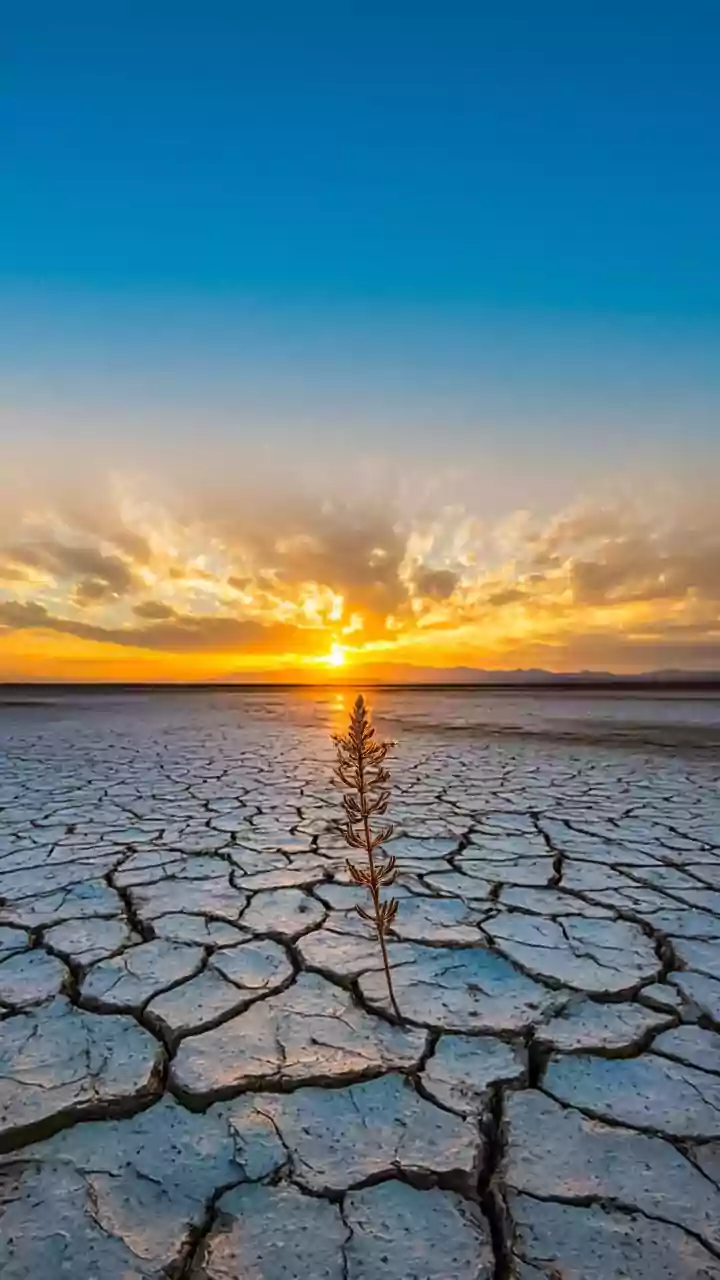
Beyond the immediate Kharif season, a deficient monsoon has long-term consequences for water security. The monsoon is the primary season for replenishing India's major reservoirs, which are vital for drinking water supply, hydroelectric power generation, and providing irrigation for the subsequent Rabi (winter) crop season. Lower-than-normal rainfall means that dam levels will be lower, placing immense pressure on water management authorities. Groundwater, which is already under stress in many parts of the country, sees less recharge, exacerbating shortages. This can lead to drinking water shortages in urban and rural areas alike, forcing authorities to implement rationing and transport water via tankers in the most affected regions.
Is India Prepared?
The threat of El Niño is not being taken lightly. The Indian government has launched contingency plans to mitigate the potential impact. The Ministry of Agriculture has identified hundreds of districts considered vulnerable due to low irrigation coverage and has rolled out district-specific plans. These strategies include promoting the use of short-duration, drought-resistant crop varieties like millets, and enhancing water conservation efforts through programs like MGNREGA to repair ponds and check dams. Financial safety nets for farmers, such as crop insurance schemes and credit facilities, are also being readied to cushion them from potential losses. Special monitoring cells have been set up to provide real-time advisories to farmers, turning forecasts into actionable information on the ground.