


Beyond 'Processed': What 'Ultra-Processed' Really Means
First, let's clear up the confusion. Not all processed food is bad. Freezing vegetables, canning beans, or pasteurizing milk are all forms of processing designed to preserve food and make it safe. The term “ultra-processed food,” or UPF, refers to something
different. It describes industrial formulations made from substances extracted from foods or synthesized in labs. The most widely used system for this is the NOVA classification, developed by Brazilian researchers. It divides food into four groups, with UPFs in the final category. These products often have long ingredient lists filled with chemicals you wouldn't keep in your kitchen, like emulsifiers, artificial flavorings, and preservatives, designed to make them hyper-palatable and give them a long shelf life.
What the Latest Science Says
A growing body of research links high consumption of UPFs to a range of health problems. Recent meta-analyses and large-scale studies have found strong associations between diets high in UPFs and an increased risk of obesity, type 2 diabetes, cardiovascular disease, hypertension, and even some forms of cancer. Researchers believe these health issues stem from several factors. UPFs are often high in added sugar, sodium, and unhealthy fats while being low in fiber and essential nutrients. Their formulation can disrupt fullness signals, encouraging overconsumption, and may negatively affect the gut microbiome, which is linked to everything from inflammation to mental health.
How to Spot a UPF in the Wild
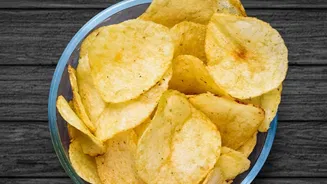
You don't need a degree in nutrition to become a UPF detective. The simplest method is to read the ingredients list. A key red flag is the presence of five or more ingredients, especially ones you don't recognize or can't pronounce. Look for industrial substances like high-fructose corn syrup, hydrogenated oils, protein isolates, and a host of additives like artificial sweeteners, flavor enhancers, and colorings. If the list of ingredients is long and reads more like a chemistry experiment than a recipe, there's a good chance it's an ultra-processed product. Many common items fall into this category, including sugary drinks, packaged snacks like chips, mass-produced cakes and cookies, some breakfast cereals, and many ready-to-eat meals.
Start with Simple, Smart Swaps
The goal isn't to achieve a diet of zero UPFs overnight, which can feel overwhelming. A more realistic and sustainable approach is to make small, gradual changes. Instead of a flavored, sugary yogurt, try plain yogurt and add your own fresh fruit. Instead of buying a pre-made pasta sauce, try making a simple one with canned tomatoes, garlic, and herbs. Swapping sugary cereals for whole grains like oats, or a pre-packaged deli meat sandwich for one with leftover roasted chicken can make a big difference. Even your drinks count; replacing energy drinks or sodas with water, tea, or coffee can significantly reduce your intake of added sugars and artificial ingredients.