




The Incredible Journey South
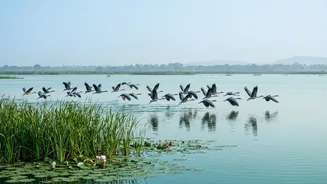
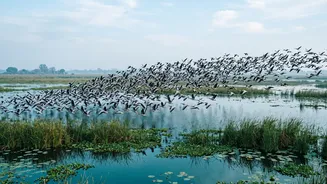
Every year, India plays a crucial role as a wintering ground for birds travelling along the Central Asian Flyway, a major migratory route covering 30 countries. These birds fly thousands of kilometres from frigid breeding grounds in Siberia, Central Asia,
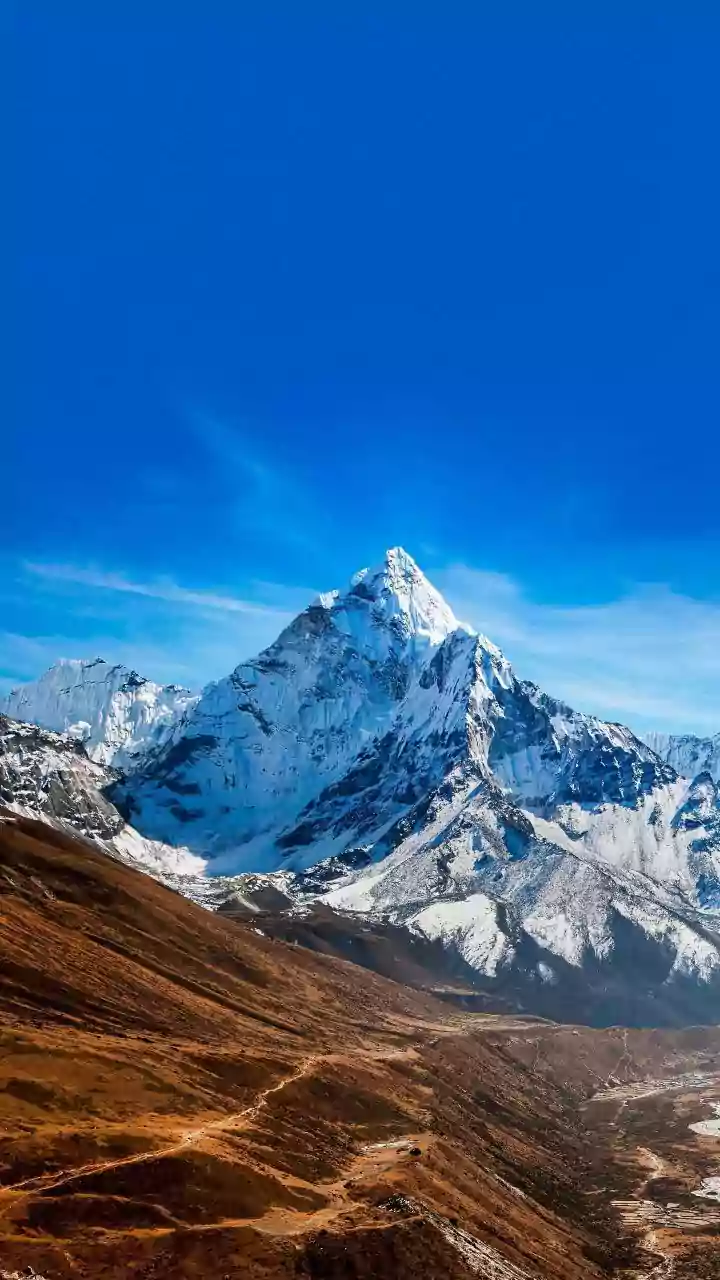
Russia, and Europe to find food and shelter in India's relatively warmer climate. This annual migration is a marvel of endurance, with some species like the Bar-headed Goose flying over the Himalayas at extreme altitudes. These journeys are perilous, fraught with risks from predation, exhaustion, and increasingly, human-made obstacles.
Keoladeo National Park, Rajasthan: A Wetland Paradise
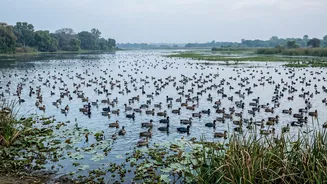
Formerly known as Bharatpur Bird Sanctuary, Keoladeo National Park is a UNESCO World Heritage Site and one of the most famous avian habitats in the world. Its man-made wetlands, grasslands, and woodlands attract over 370 species of birds. In winter, it becomes a haven for thousands of migratory waterfowl, including Northern Pintails, Gadwalls, Shovelers, and various species of geese. The park was also the last known wintering ground in India for the critically endangered Siberian Crane, though they have not been seen here since the early 2000s. Rickshaw rides through the park offer a quiet, intimate way to observe this stunning biodiversity.
Chilika Lake, Odisha: Asia's Largest Brackish Water Lagoon
Chilika Lake is the largest wintering ground for migratory birds on the Indian subcontinent. This sprawling coastal lagoon hosts over a million birds during peak season, with species arriving from as far as Lake Baikal in Russia and the Caspian Sea. The lake's islands and mudflats are vital for birds like the Greater Flamingo, Eurasian Wigeon, and a variety of waders and shorebirds. The area of Mangalajodi, with its community-run ecotourism, provides a stellar example of how conservation and local livelihoods can work hand in hand to protect these winged visitors.
The Great Rann of Kutch, Gujarat: The Flamingo City
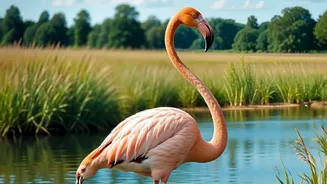
The vast salt marshes of the Great Rann of Kutch are home to one of the most spectacular avian sights: 'Flamingo City'. This site, located within the Kutch Desert Wildlife Sanctuary, is one of the largest breeding grounds for Greater and Lesser Flamingos in the world. When the monsoon rains flood the Rann, it creates the perfect shallow-water habitat for these birds to build their muddy nests and raise their young. The sight of thousands of pink flamingos against the stark white desert is an unforgettable spectacle that draws nature lovers from October through March.
Pulicat Lake Bird Sanctuary, Andhra Pradesh & Tamil Nadu
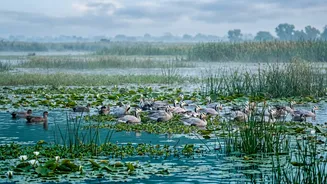
Straddling the border of Andhra Pradesh and Tamil Nadu, Pulicat Lake is the second largest brackish water lagoon in India and a critical habitat for migratory birds on the east coast. It serves as a vital feeding ground for large congregations of Greater Flamingos, pelicans, gulls, terns, and numerous species of ducks and waders. The lake's health is essential not just for the birds but also for the local fishing communities. The annual Flamingo Festival held here celebrates the arrival of these beautiful birds and raises awareness about the wetland's conservation.
Conservation and Threats
While these sanctuaries provide a crucial refuge, migratory birds and their habitats face significant threats across India. Wetland pollution, urban encroachment, habitat loss, and climate change are putting immense pressure on these delicate ecosystems. Poaching and the use of mist nets also pose a direct threat to bird populations during their migration. Concerted efforts from government bodies, conservation organizations like the Wildlife Trust of India, and local communities are underway to protect these flyways and habitats. These actions, from restoring wetlands to preventing illegal hunting, are vital to ensure that future generations of birds can continue to make their incredible winter journey to India.