

The Science of the Grand Retreat
The monsoon doesn’t just stop; it performs a gradual, weeks-long withdrawal. This retreat, scientifically known as the withdrawal of the southwest monsoon, officially begins when specific meteorological criteria are met. The process typically starts in the northwestern
state of Rajasthan around the middle of September. It's marked by the cessation of rain for five consecutive days, a significant drop in atmospheric moisture, and the establishment of an anticyclonic circulation in the lower atmosphere. From there, the line of withdrawal moves progressively southeastward across the country over several weeks. This means that while Delhi might be experiencing dry, post-monsoon weather, Kerala could still be receiving heavy monsoon showers, a process that can take until mid-October to complete.
Our Eyes in the Sky
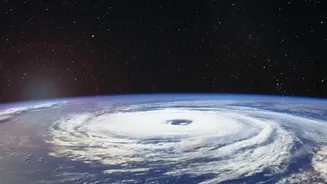
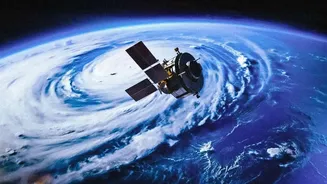
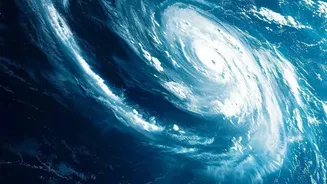
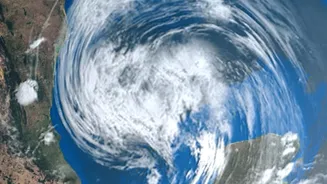
Tracking this massive atmospheric event is made possible by a constellation of meteorological satellites, chief among them being ISRO's INSAT series, including INSAT-3DR and INSAT-3DS. These satellites are equipped with advanced instruments like multi-spectral imagers and atmospheric sounders. The imagers provide detailed, half-hourly pictures of cloud cover, helping meteorologists see where rainfall is ceasing. More importantly, the sounders measure the vertical profile of the atmosphere, detecting changes in temperature, humidity, and pressure. By tracking water vapour in the air, scientists can precisely identify where the moisture that fuels the monsoon is drying up, confirming the retreat in a way that ground-based observations alone cannot. This technology allows the India Meteorological Department (IMD) to declare the withdrawal with confidence.
What's Happening This September?
This year, satellite imagery shows a significant reduction in cloud cover over northwestern and central India, signalling that monsoon activity is weakening. However, forecasters note that the official withdrawal has not yet begun and is expected to commence after September 15th from West Rajasthan. The process is influenced by broader atmospheric conditions, including a strengthening El Niño, which is associated with weaker monsoon rains. Despite the visible clearing in some areas, active weather systems and low-pressure areas are still bringing widespread rain to parts of central, northern, and eastern India, with heavy rainfall alerts active in several states. This mix of dry spells and intense, isolated downpours has become a defining feature of recent monsoon seasons.
The Shifting Nature of September Rains
The data points to a larger, more significant trend: September, traditionally a month of monsoon withdrawal, is changing. Recent years have seen an increase in 'excess' rainfall during this month, a departure from historical averages. Climate studies suggest that while the overall monsoon season might be affected by delays and dry spells, the withdrawal phase is becoming more prone to intense, heavy rainfall events. This shift has profound implications. A delayed withdrawal can disrupt the harvesting of summer (Kharif) crops like rice, cotton, and soybeans by causing waterlogging in fields. It also has a direct impact on the subsequent planting season for winter (Rabi) crops like wheat and rapeseed, which depend on the right amount of soil moisture left behind by the departing monsoon.
From Satellite Pixels to Daily Life
The information gathered from these satellites isn't just for weather reports; it's vital for the entire country. For India's farmers, accurate forecasts on the monsoon's retreat can mean the difference between a successful harvest and a devastating loss. This data helps in making critical decisions on when to harvest summer crops and when to sow winter ones. For water managers, understanding late-season rainfall is crucial for managing reservoir levels, ensuring adequate supply for drinking water and hydropower through the dry months. Urban planners also use this information to anticipate and mitigate the risks of late-season flooding in cities. As our climate continues to change, the view from space is becoming one of our most essential tools for adapting to a new and less predictable reality on the ground.