





What is a Flex Room?
A flex room is a space in your home not strictly defined for one purpose. Unlike a bedroom or kitchen, its function can change with your needs. It might be a home office during the week, a playroom for the kids on weekends, and a cozy guest room when
family visits. Think of it as the ultimate adaptable space, designed to evolve with the stages of your life, from a nursery for a new baby to a quiet study or a hobby room later on. This versatility is especially valuable in urban apartments where maximizing every square foot is essential.
The 'Less is More' Philosophy
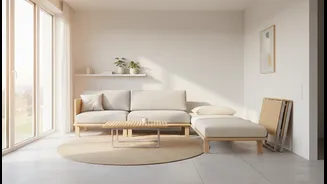
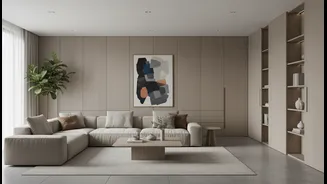
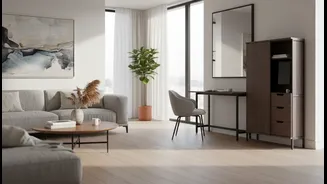
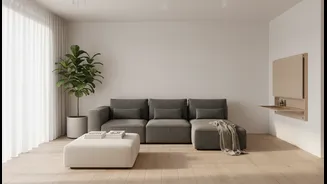
The true strength of a flex room is its ability to transform. Overcrowding it with furniture is a cardinal sin, as it locks the space into a single identity and eliminates its adaptability. The goal is to maintain an open, uncluttered environment that allows for easy transitions between functions. This means consciously choosing fewer items. Instead of filling the room, you should strategically place only essential pieces that support its various roles. By keeping the floor plan clear and the furniture minimal, the room retains its core asset: flexibility.
The Golden Rule: Make It Multitask
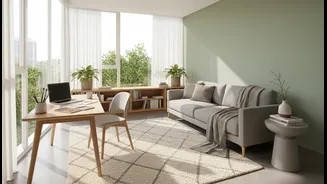
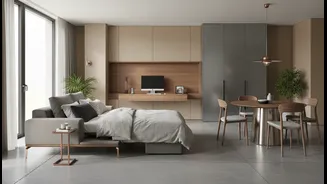
Every piece of furniture in a flex room must justify its existence by serving multiple purposes. Before buying anything, ask yourself: what are the primary and secondary functions of this room? If it’s mainly a home office that occasionally serves as a guest room, prioritise a comfortable desk and chair, but choose a sofa bed instead of a regular couch. Look for items that are transformable, lightweight, or mobile. Furniture with hidden storage, such as ottomans or beds with built-in drawers, is invaluable for keeping the space tidy and ready for its next role.
Furniture That Earns Its Keep
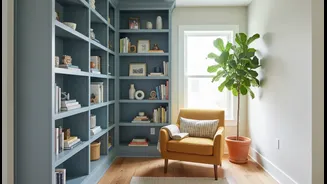
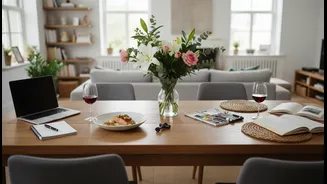
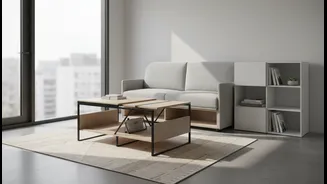
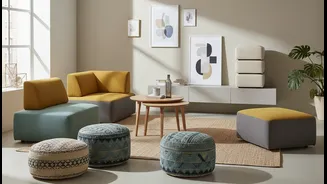
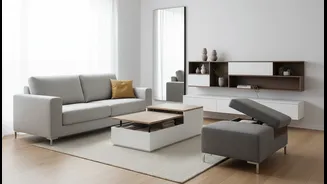
Choosing the right furniture is crucial. A sofa-cum-bed is a classic choice, instantly turning a living or work area into a sleeping space. Extendable or drop-leaf dining tables can serve as a compact work desk on weekdays and expand to host family dinners when needed. Nesting tables offer flexible surface area without occupying a large footprint, while storage ottomans provide seating, a coffee table surface, and hidden storage all in one. For vertical space, consider wall-mounted desks that fold away and modular shelving that can be reconfigured as your needs change.
Creating Zones Without Walls
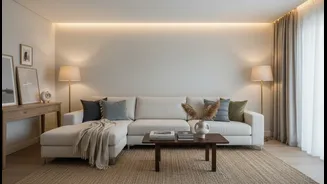
Even in an open-plan flex room, you can create distinct zones for different activities. Strategic furniture placement is the simplest way; for example, the back of a sofa can create a visual line between a lounge area and a workspace. Area rugs are excellent for visually separating a play corner from a reading nook. Lighting also plays a critical role. Use focused task lighting like a desk lamp for the work zone and softer, ambient lighting to create a relaxed atmosphere in the lounging area. These subtle cues help define the room's functions without adding physical clutter.