






The Humble Porridge, Redefined
Ambali is a traditional, fermented porridge originating from Southern India, particularly states like Karnataka and Telangana. For centuries, it has been a nourishing staple for farmers and rural communities, valued for being inexpensive, filling, and cooling
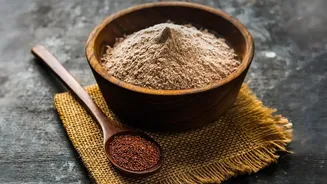
in hot weather. At its core, it's made from finger millet (ragi) flour mixed with water, which is allowed to naturally ferment overnight before being gently cooked into a thin gruel. This simple preparation can be served savoury, often mixed with buttermilk and spices, or sweetened with jaggery. Its appearance in chic cafes today marks a significant cultural shift, bridging the gap between ancient culinary wisdom and contemporary health trends.
A Nutritional Powerhouse for Modern Times
The resurgence of Ambali is directly tied to its impressive nutritional profile, which resonates deeply with today's health-conscious consumers. Finger millet itself is a superfood, naturally gluten-free and packed with calcium, iron, and dietary fibre. It boasts one of the highest calcium contents among all cereals, crucial for bone health. The magic, however, lies in fermentation. This age-old process enriches the porridge with probiotics—live, beneficial bacteria that support a healthy gut microbiome. A healthy gut is linked to better digestion, stronger immunity, and even improved mood. Fermentation also breaks down anti-nutrients found in the grain, making essential minerals like iron and zinc more available for the body to absorb.
From Ancient Kitchens to Modern Cafes
So, why the sudden fame? Ambali's rise is part of a larger global movement towards gut health and the rediscovery of fermented foods. In a world of kombucha and kefir, health enthusiasts are now looking closer to home for local, time-tested alternatives. The post-pandemic era has amplified the focus on immunity and holistic wellness, creating a perfect environment for foods like Ambali to thrive. It's a clean, unprocessed food that aligns with the demand for authenticity and natural ingredients. Cafes, acting as cultural curators, are responding to this demand by placing traditional Indian superfoods on their menus, making them accessible and appealing to a new generation of consumers.
More Than Just a Health Trend
Choosing Ambali at a cafe is more than just a dietary decision; it's a statement. It represents a reconnection with heritage and an appreciation for the wisdom of our ancestors. In a food landscape often dominated by Western trends, embracing a local staple like Ambali is an act of culinary pride. It signifies a shift towards sustainable, indigenous ingredients that have nourished communities for generations. By ordering this fermented porridge, urbanites are not just feeding themselves; they are participating in a revival, celebrating a food that is both deeply traditional and scientifically sound. It’s a testament to the idea that sometimes the most potent wellness solutions aren't found in a lab, but in the simplicity of a generations-old recipe.