






Your Skin's Protective Wall
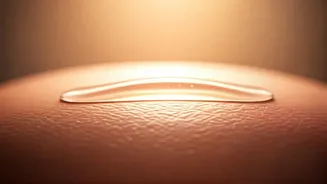
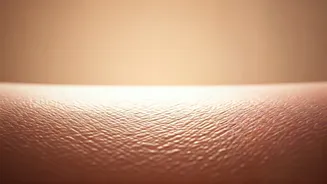
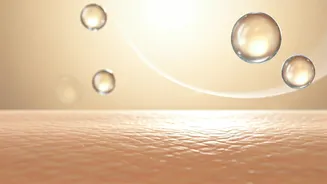
Think of your skin barrier as a tiny, powerful brick wall. The bricks are your skin cells (corneocytes), and the mortar holding them together is a mix of natural fats called lipids—primarily ceramides, cholesterol, and fatty acids. This outermost layer,
officially known as the stratum corneum, has two critical jobs: keeping moisture locked inside your skin and keeping harmful pollutants, bacteria, and irritants out. When this wall is strong and intact, your skin feels hydrated, calm, and resilient. When it's weakened, it can lead to a host of issues.
Why the Sudden Obsession?
The boom in barrier care is a direct response to the skincare trends of the past decade. For years, the pursuit of a perfect 'glow' led many to over-exfoliate with strong acids, overuse high-strength retinoids, and follow complex, multi-step routines that overwhelmed the skin. The result was a widespread increase in sensitivity, irritation, and inflammation. Consumers and dermatologists alike started seeing the downside of this aggressive approach. The 2026 trend is a course correction, moving away from stripping the skin to supporting its natural defenses. It’s a shift from seeking temporary perfection to building long-term health and resilience.
Signs Your Barrier Needs Help
A damaged skin barrier sends clear signals. One of the first signs is persistent dryness or a tight feeling, even after you've applied moisturiser. You might also notice increased sensitivity, where products that were once fine now cause stinging or burning. Other common symptoms include redness, itchiness, a rough or flaky texture, and even an increase in acne breakouts or inflammation. Essentially, if your skin feels uncomfortable more often than not, it's likely your barrier is compromised and sending out an SOS.
The Heroes of Barrier Repair
Repairing your barrier means giving it back the components it has lost. The most effective ingredients are those that mimic the skin’s natural structure. Ceramides are non-negotiable, as they make up about 50% of the skin’s lipid layer and are crucial for patching up that 'mortar' between skin cells. Niacinamide (Vitamin B3) is another powerhouse, as it not only calms inflammation but also encourages your skin to produce its own ceramides. Humectants like Hyaluronic Acid and Glycerin are also key; they draw moisture into the skin, helping to rehydrate it from within. Finally, look for ingredients like panthenol, squalane, and fatty acids, which all soothe and support the healing process.
Your Barrier-Friendly Action Plan
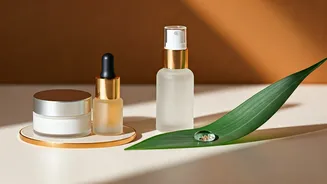
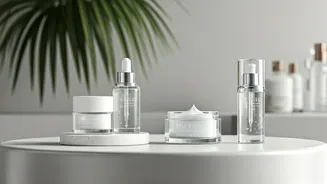
Adopting a barrier-focused routine doesn't mean throwing out all your products. It's about simplifying and prioritising gentle care. First, switch to a mild, pH-balanced cleanser that doesn't leave your skin feeling squeaky clean or stripped. Temporarily pause or reduce your use of strong exfoliants like AHAs, BHAs, and high-concentration retinoids to give your skin a chance to recover. Instead, focus on layering hydration with serums containing niacinamide or hyaluronic acid. Follow up with a rich moisturiser packed with ceramides to lock everything in. And most importantly, wear a broad-spectrum sunscreen every single day, as UV exposure is one of the biggest threats to a healthy skin barrier.