






The Rhythm of the Day
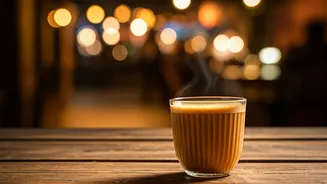
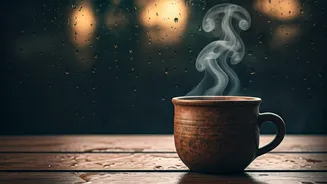
For millions, the day doesn't truly begin until the first cup of chai. It's the gentle alarm clock, the fuel for the morning commute, the brief pause in a chaotic workday. Whether it's the 'cutting chai' from a street-side vendor, shared among colleagues
during a mid-afternoon break, or the comforting pot brewed at home to welcome guests, chai dictates the rhythm of social interaction. It’s a social lubricant, an excuse to gather, to debate, to gossip, or to simply sit in companionable silence. In boardrooms, it seals deals. On roadside dhabas, it fuels long journeys. The question is never *if* you want chai, but *when*.
A Colonial Brew, An Indian Heart
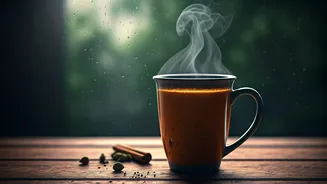
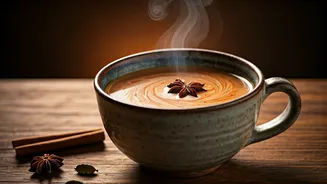
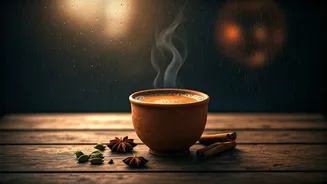
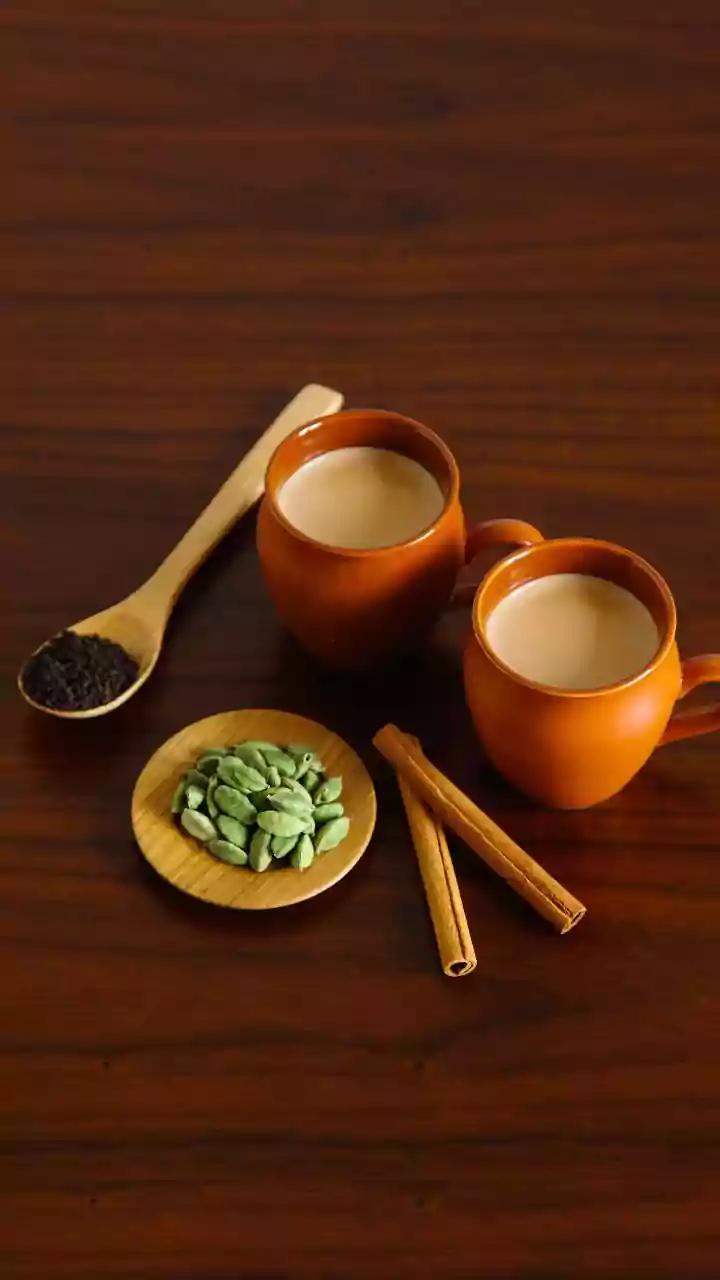
While tea plants are native to parts of India, the ritual of brewing it with milk, sugar, and spices is a uniquely Indian innovation born from a colonial past. The British heavily promoted tea consumption in the early 20th century to create a domestic market for the vast plantations they had established. However, Indians took this British habit and made it entirely their own. They added 'masala'—a potent mix of spices like cardamom, ginger, cloves, and cinnamon—to create the flavour profile we know and love. What was once a colonial commercial project was transformed into a symbol of indigenous taste and hospitality, a quiet act of culinary rebellion and re-appropriation.
A Journey in Every Sip
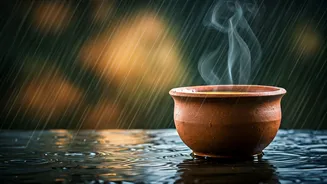
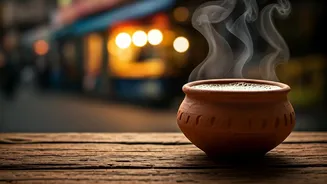
To say 'Indian chai' is to simplify a beautifully complex reality. The love story has different chapters across the country. In Kolkata, the 'bhaar'—a small, unglazed clay cup—imparts an earthy flavour to the sweet, milky tea. Travel to Hyderabad, and you’ll find the rich, slow-brewed Irani chai, often served with buttery Osmania biscuits. In Kashmir, the delicate, pink-hued Noon Chai offers a savoury, salty experience, a world away from its spicy counterparts. From the lemongrass-infused brews of the west to the strong, dark teas of the south, every region tells its own tale through its teapot, showcasing the incredible diversity held within a single beverage.
The New-Age Chai-Wallahs
While the humble chai stall remains an institution, the love story is evolving. A new generation of entrepreneurs is reimagining the chai experience for a modern India. Chic, urban chai cafes have become popular hangouts, offering artisanal blends, gourmet snacks, and a sanitised, air-conditioned version of the street-side experience. We now see everything from Tandoori Chai, where the tea is poured into a scorching hot clay pot, to exotic blends featuring hibiscus, blue pea flower, and white tea. This new wave proves that chai is not just a nostalgic relic; it is a dynamic beverage that continues to adapt, innovate, and find new fans among a younger, globally-exposed demographic that still craves a taste of home.