




Spain remains one of the world's most beloved travel destinations, famed for its sun-drenched beaches and vibrant cities. But its immense popularity is now a double-edged sword, sparking a fierce backlash from residents over 'overtourism'.
Why Are Locals Protesting?
Across Spain,
from the Canary Islands to Barcelona, residents are taking to the streets with slogans like 'The Canary Islands have a limit'. Their frustration stems from the severe side effects of mass tourism. A primary grievance is the housing crisis; the boom in profitable short-term holiday rentals has pushed long-term rental prices sky-high, making it impossible for many locals to find affordable homes in their own cities. This has led to feelings of displacement and the erosion of traditional neighbourhood character. Furthermore, public services like transport, sanitation, and healthcare are strained under the pressure of millions of visitors, and delicate natural environments are suffering from pollution and overuse.
Which Areas Are Most Affected?
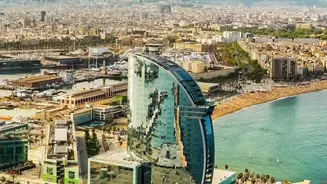
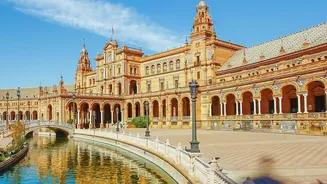
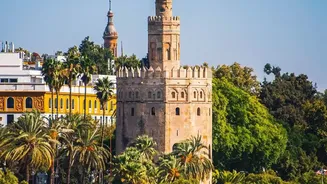
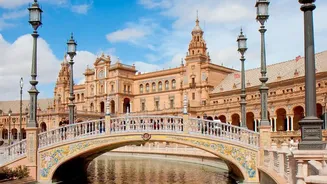
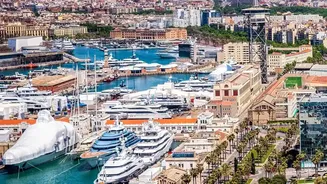
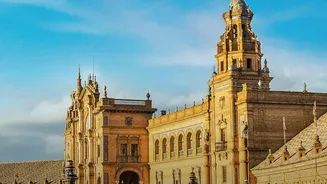
The protests are most intense in Spain's tourism hotspots. The Canary and Balearic Islands, including popular destinations like Tenerife, Mallorca, and Ibiza, have seen massive demonstrations. Residents here point to a record 16.2 million visitors in the Canaries last year—more than seven times the local population—as unsustainable. In Barcelona, locals have protested against airport expansion plans and the overwhelming number of tourists crowding public services. Other cities feeling the pressure include Málaga, Seville, and Madrid, where concerns over gentrification and the loss of local businesses to tourist-focused enterprises are growing.
What Is the Government Doing?
In response to the growing unrest, both national and regional authorities are implementing new regulations. Barcelona is leading the charge with a plan to eliminate all short-term rental licenses for tourist apartments by 2028. The city has also significantly increased its tourist tax, with visitors to a tourist apartment now paying €9.50 per person per night as of April 2026. In the Balearic Islands, new laws are cracking down on public alcohol consumption, with fines up to €3,000 for drinking on the street in designated zones of Mallorca and Ibiza. The government has also ended its 'golden visa' program, which granted residency to wealthy foreign property investors, to cool the housing market.
The Economic Dilemma
The challenge for Spain is to manage tourism without crippling its economy. The sector is a vital engine for growth and employment, accounting for nearly 13% of the country's entire economy and one in every four new jobs created in 2023. For islands like the Canaries, tourism makes up a staggering 35% of their GDP. This economic dependency makes it difficult to impose drastic limits. The goal for officials is not to ban tourists but to find a more sustainable model that balances the economic benefits with the well being of residents and the preservation of natural and cultural heritage.
What This Means for Travellers
Despite the dramatic headlines, Spain remains a safe and welcoming country for visitors. However, travellers should be aware of the changing landscape. Expect to pay higher tourist taxes, particularly in Barcelona. If you're visiting nightlife hotspots in the Balearic Islands, be aware of the strict new rules on public drinking and alcohol sales. In some cities, there are also rules against wearing swimwear away from the beach. The protests are overwhelmingly peaceful, but it's wise to stay informed about any planned demonstrations. Ultimately, the shift is towards encouraging more responsible tourism—supporting local businesses, respecting community rules, and considering travel during the off season.