





The Rise of the Urban Farmer
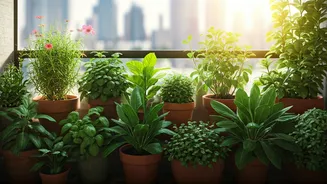
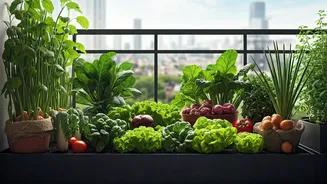
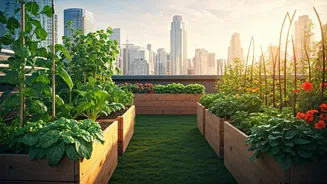
Across India's bustling metropolises, a quiet revolution is taking root. From Mumbai high-rises to Bengaluru apartments, urban dwellers are embracing balcony farming, transforming compact outdoor spaces into productive micro-farms. This isn't just about
a few potted plants; it's a significant shift towards sustainability, wellness, and food autonomy. The momentum, largely accelerated by pandemic-era lockdowns, continues to grow as more people discover the joy and practicality of harvesting their own food. The desire for pesticide-free produce, a connection to nature amidst the concrete jungle, and a therapeutic hobby are the primary drivers behind this green surge.
Beyond the Plate: The Benefits
The appeal of balcony farming extends far beyond a fresh salad. For many, it's a powerful tool for mental well-being. The simple act of nurturing a plant from seed to harvest provides a daily dose of mindfulness and a tangible sense of accomplishment. It's a natural stress-buster. Furthermore, it serves as a fantastic educational tool for children, teaching them where food comes from in a hands-on way. Balcony gardens also contribute positively to the urban environment by improving air quality, reducing heat island effects, and promoting biodiversity by attracting pollinators like bees and butterflies.
Your Starter Kit: What You Need
Getting started is less daunting and expensive than you might think. You don't need a sprawling terrace; a small balcony with a few hours of sunlight is enough. Here are the essentials: * **Containers:** Anything from traditional terracotta pots and grow bags to recycled plastic bottles and paint buckets can work. Ensure they have drainage holes. * **Potting Mix:** A lightweight, nutrient-rich potting mix is crucial. You can buy pre-made mixes or create your own by combining cocopeat (coir pith), compost (like vermicompost), and some garden soil. * **Sunlight:** Observe your balcony. Does it get at least 4-6 hours of direct sunlight? This is vital for most vegetable and fruit-bearing plants. If you have less sun, you can still grow leafy greens and herbs. * **Seeds or Saplings:** Start with saplings from a local nursery if you want quicker results. Otherwise, high-quality seeds are readily available online and in stores. * **Watering Can:** A simple can or even a repurposed bottle will do for a small setup.
Easy Picks for Indian Beginners
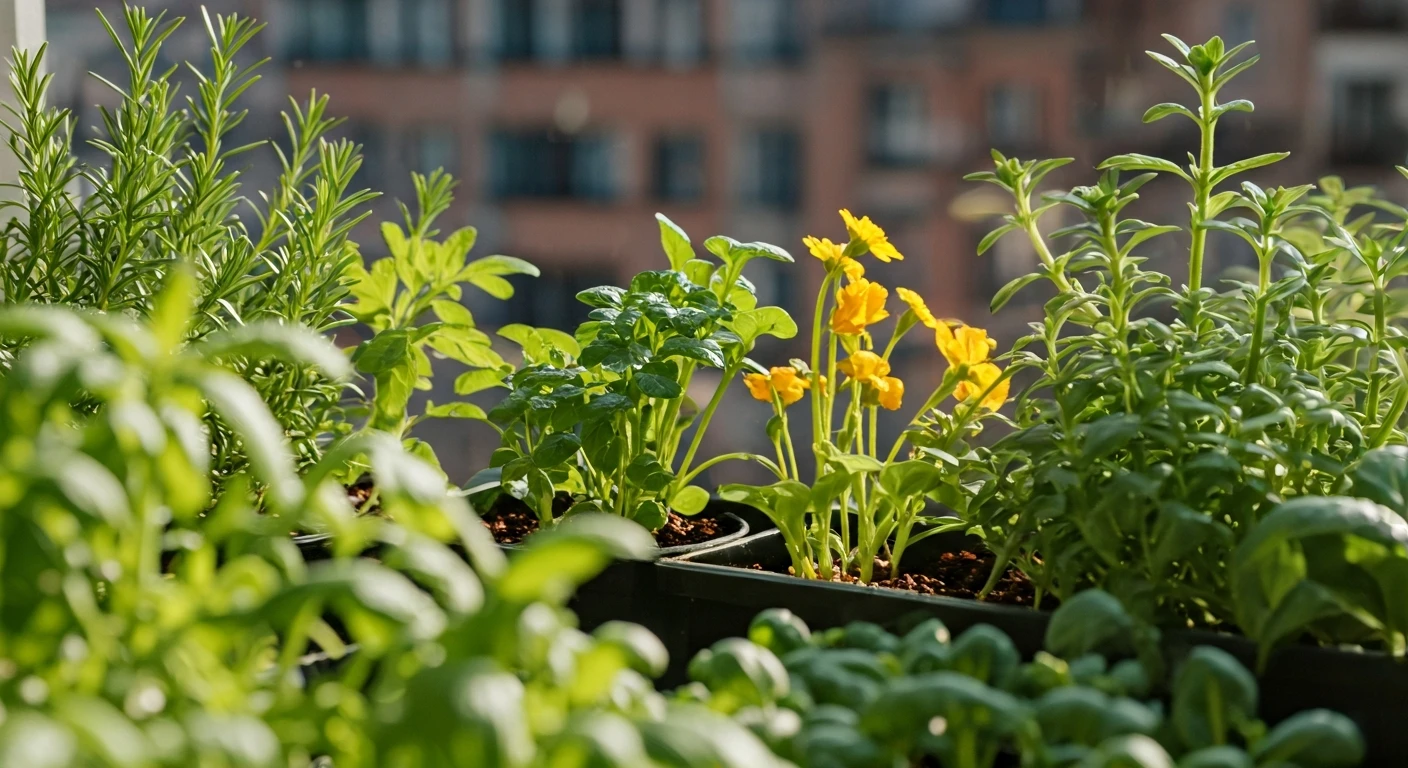
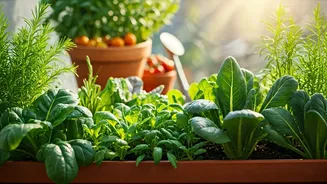
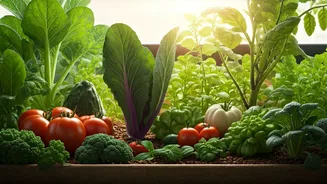
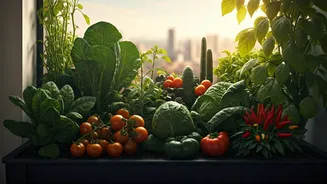
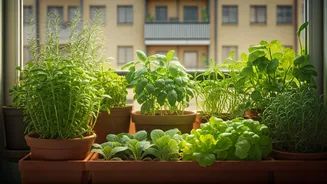
The key to a rewarding first experience is to choose plants that are hardy and well-suited to our climate. Don't start with exotic, difficult-to-grow varieties. Instead, try these reliable options: * **Herbs:** Mint (pudina), coriander (dhania), holy basil (tulsi), and curry leaves are incredibly easy to grow and are used daily in Indian kitchens. * **Vegetables:** Tomatoes (especially cherry varieties), chillies, brinjal, and lady's finger (bhindi) thrive in sunny Indian balconies. * **Leafy Greens:** Spinach (palak), amaranth (chaulai), and fenugreek (methi) grow quickly and can be harvested multiple times. * **Creepers:** If you have space for a trellis, cucumber and various gourds can be very productive.
Avoiding Common Pitfalls
While rewarding, balcony farming has its learning curve. The most common mistake beginners make is overwatering, which can lead to root rot. Water only when the top inch of the soil feels dry. Another issue is underestimating sunlight needs; placing a sun-loving tomato plant in a shady corner will only lead to disappointment. Finally, keep an eye out for pests. A simple spray made from neem oil, soap, and water is an effective organic solution for most common garden pests. Joining online gardening communities can also provide a wealth of troubleshooting advice from experienced growers.