


The Foundation: Choosing Pots and Ensuring Drainage
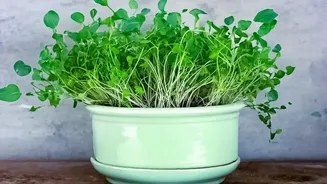
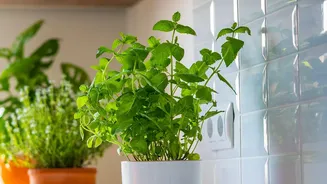
Before you even think about soil, start with the pot. For herbs like Tulsi, mint (pudina), and coriander (dhania), a pot that is at least 6-8 inches deep and wide provides adequate space for root growth. The single most critical feature of any container
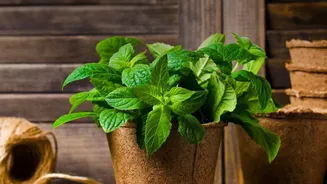
is drainage. Without holes at the bottom, water will collect, leading to root rot, which is one of the most common reasons potted plants fail. If you have a decorative pot without holes, you can either drill them yourself or use it as a cachepot, placing a smaller plastic pot with drainage holes inside it. Terracotta pots are excellent as they are porous and allow roots to breathe, but they also dry out faster, requiring more frequent watering.
Crafting the Perfect Potting Mix
Never use soil directly from your garden for pots. Garden soil is too dense and compacts easily, which restricts air and water flow to the roots. Instead, you need a lightweight and well-draining potting mix. A simple, effective, and widely recommended DIY mix follows a 1:1:1 ratio: one part garden soil (or regular potting soil), one part cocopeat, and one part compost or well-rotted manure. Cocopeat (or perlite) helps keep the mixture light and improves both aeration and moisture retention. Compost provides a slow and steady supply of essential nutrients to get your plants started.
Customising Soil for Each Herb
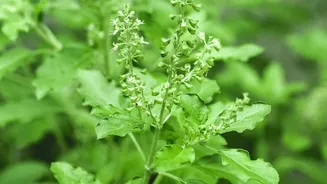
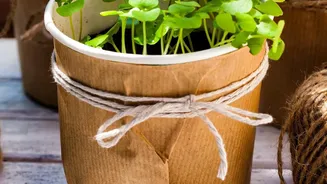
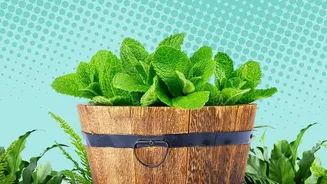
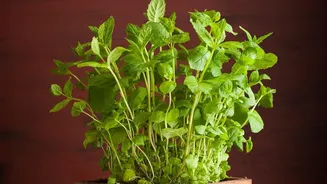
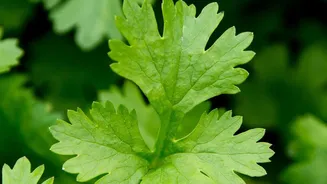
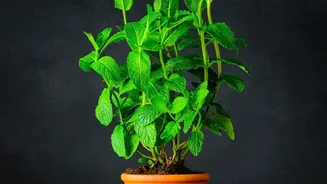
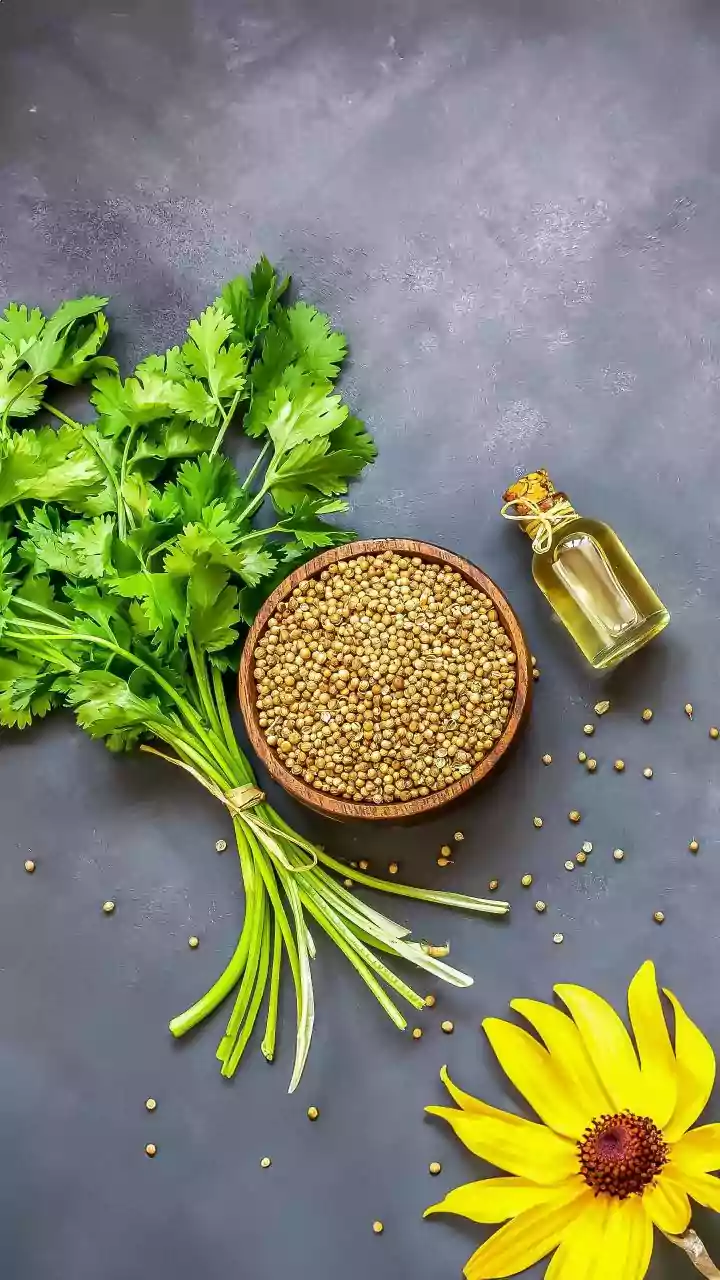
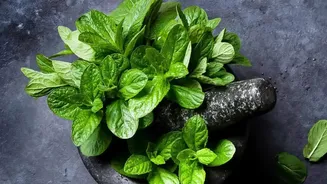
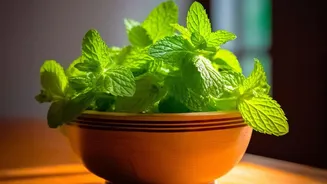
While a general mix works well, you can slightly tweak it for each herb's specific needs. Tulsi (Holy Basil) thrives in a fertile, well-draining loamy soil. It doesn't like to have 'wet feet', so ensuring your mix isn't too heavy is key. Mint (Pudina) is a vigorous grower and is less fussy, but it prefers soil that is consistently moist and rich in organic matter. Due to its aggressive spreading nature, growing mint in a dedicated pot is highly recommended to keep it contained. Coriander (Dhania) has a delicate taproot and prefers a light, well-draining soil. It is prone to bolting (flowering prematurely) in heat, and a good soil structure helps keep its roots cool and moist.
The Art of Watering
Overwatering is a more common problem than underwatering in container gardens. The best method to check for moisture is the 'finger test'. Stick your finger about an inch into the soil. If it feels dry, it's time to water. Water thoroughly until you see it running out of the drainage holes. This ensures the entire root ball is hydrated. Then, allow the top inch of soil to dry out before watering again. This cycle prevents the soil from becoming waterlogged. Remember that smaller pots and certain materials like terracotta will dry out much faster, especially on a sunny windowsill.
Feeding Your Potted Herbs Naturally
Nutrients in a pot are finite and wash out with every watering. To keep your herbs lush and productive, you'll need to replenish these nutrients every 3-4 weeks during the growing season. Organic options are best for edible herbs. You can top-dress the soil with a thin layer of vermicompost (worm castings) or a well-rotted compost. Another option is to use a liquid fertilizer like compost tea or a diluted fish emulsion every few weeks. Simple kitchen solutions can also work; cooled water from boiling vegetables or rice contains nutrients your plants can use. Avoid over-fertilizing, as it can lead to weak growth and less flavourful leaves.
Long-Term Soil Health and Revival
Over time, the soil in pots can become compacted and depleted of nutrients. Every few months, you can gently aerate the soil by poking a few holes with a chopstick or small stick, being careful not to damage the roots. This helps get oxygen to the root zone. You can also refresh the soil by scraping off the top inch and replacing it with fresh compost. For aggressive growers like mint that become root-bound, you may need to repot them into a slightly larger container with fresh soil every year or so to maintain their vigour. This process gives you a chance to check on root health and provide a fresh, nutrient-rich environment.