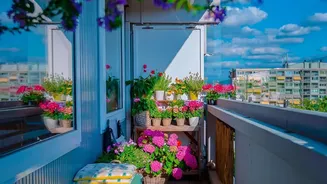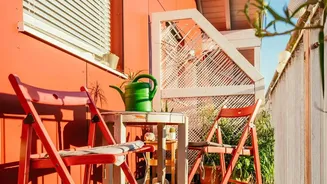


A Pinch of Green in the Concrete Jungle
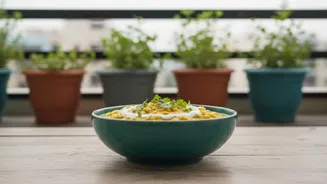
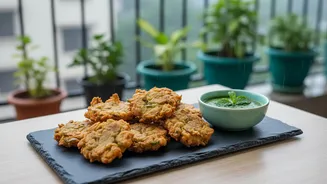
The trend of urban gardening is gaining momentum, with kitchen herbs at the forefront. For many apartment dwellers, this isn't just about horticulture; it's a lifestyle choice. The movement is driven by a desire for fresher, pesticide-free ingredients
and a way to reconnect with nature amidst the hustle of city life. Having access to fresh produce like tulsi, mint, and coriander is a game-changer for daily cooking, offering a level of flavour that store-bought herbs simply can't match. This shift represents a broader interest in wellness, sustainability, and creating a small patch of green to call one's own, no matter how limited the space. The accessibility of the hobby, requiring little more than a sunny spot and a container, makes it an inviting prospect for beginners.
More Than Just a Garnish
The benefits of an indoor herb garden extend far beyond the kitchen. Studies have shown that interacting with indoor plants can significantly reduce stress and improve mental well-being. The simple act of caring for a plant can lower cortisol levels, reduce anxiety, and promote a sense of calm and mindfulness. This connection to a living thing offers a therapeutic break from screen time and daily pressures. Furthermore, growing your own herbs is a step towards a more sustainable lifestyle. It saves money on groceries and reduces the carbon footprint associated with transporting produce. Many herbs also act as natural air purifiers, helping to improve the indoor environment of a home.
Your First Windowsill Garden
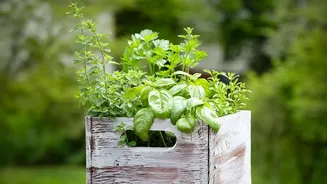
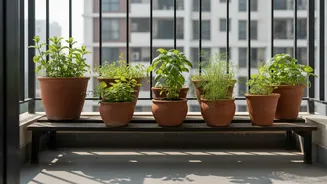
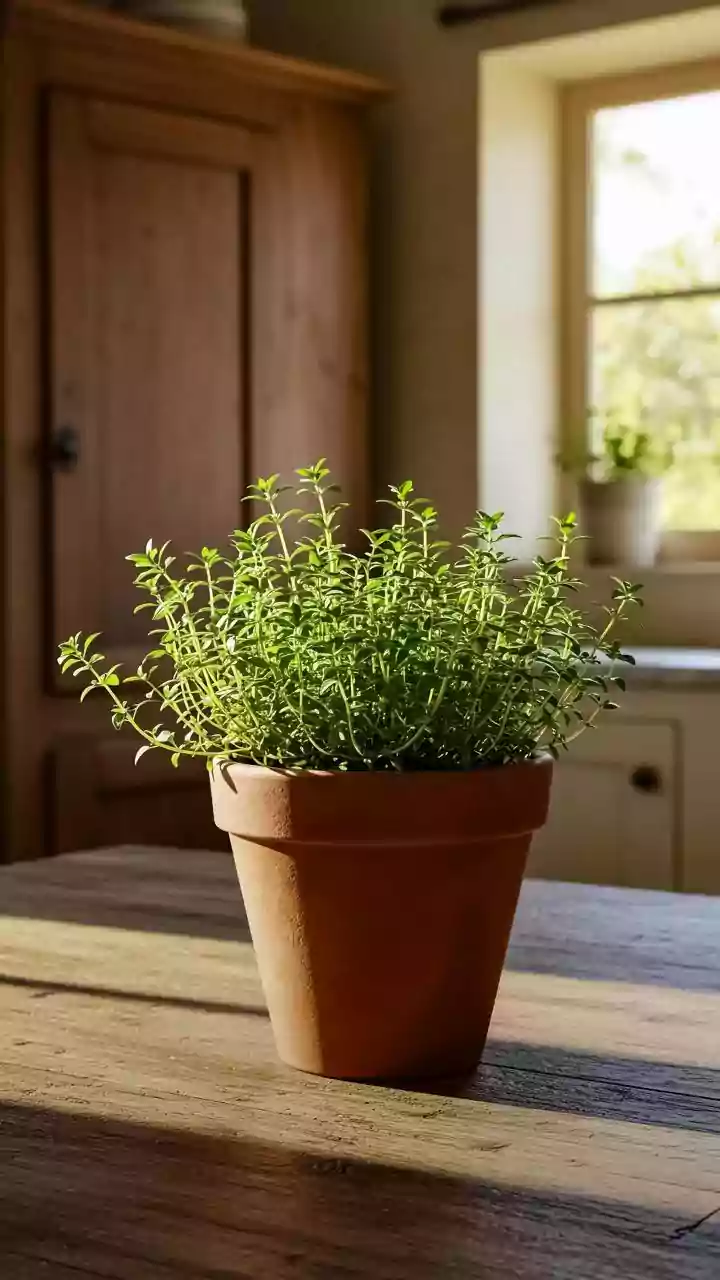
Starting your own herb garden is surprisingly simple. The single most important factor is light. Most herbs require at least four to six hours of sunlight each day, making a south or east-facing windowsill an ideal location. If your apartment doesn't get much natural light, you can still succeed with leafy greens or consider using a small grow light. For containers, you don't need fancy pots; recycled plastic bottles, tubs, or cans with drainage holes at the bottom work perfectly well. Use a good quality potting mix, and be mindful of watering. The most common mistake for beginners is overwatering. A good rule of thumb is to water only when the top inch of soil feels dry to the touch.
The Easiest Herbs to Start With
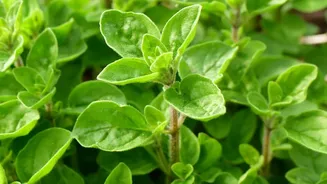
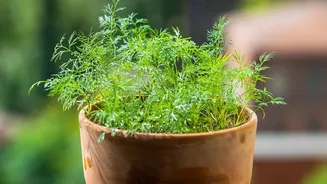
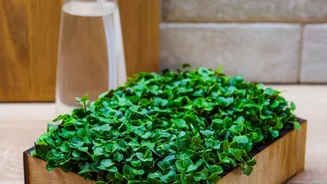
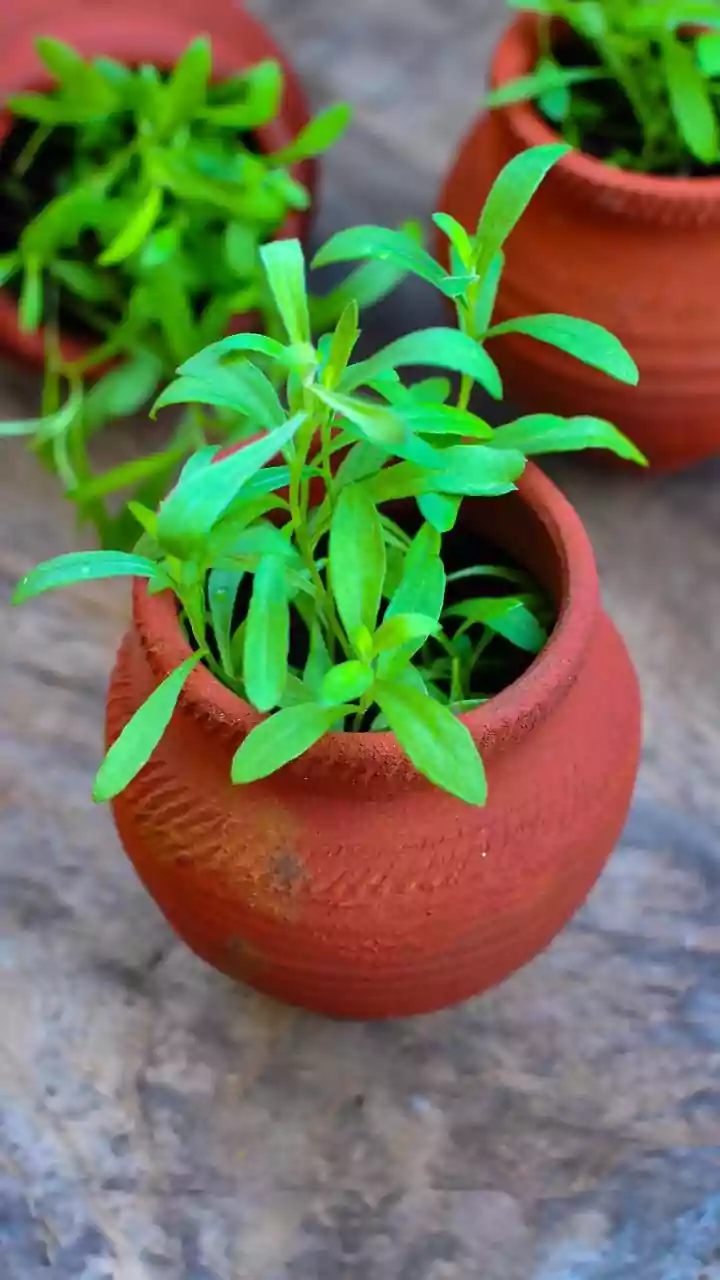
For beginners in India, certain herbs are particularly forgiving and well-suited to apartment conditions. Mint (Pudina) is incredibly easy to grow and spreads quickly; even a small cutting can flourish. Holy Basil (Tulsi) is a staple in many Indian households and adapts well to pots, requiring regular sunlight and moderate watering. Coriander (Dhania) can be grown from seeds found in your own kitchen, providing fresh leaves for garnishes. Curry Leaf (Kadi Patta) is another essential that thrives in a pot with ample sunlight. Finally, Fenugreek (Methi) is a fast-growing herb that can be cultivated in shallow trays for a quick and rewarding harvest.
Embracing the Learning Curve
Don't be discouraged if your first attempt isn't perfect. Every gardener, regardless of experience, faces challenges. Plants might struggle due to insufficient light, improper watering, or pests. The key is to observe and adjust. If leaves are turning yellow, it could be a sign of overwatering. If the plant looks stretched and spindly, it likely needs more light. View these moments not as failures but as learning opportunities. The joy of gardening comes from nurturing a living thing and watching it thrive under your care. Start with just one or two easy-to-grow plants and build your confidence from there. The process itself is as rewarding as the harvest.