

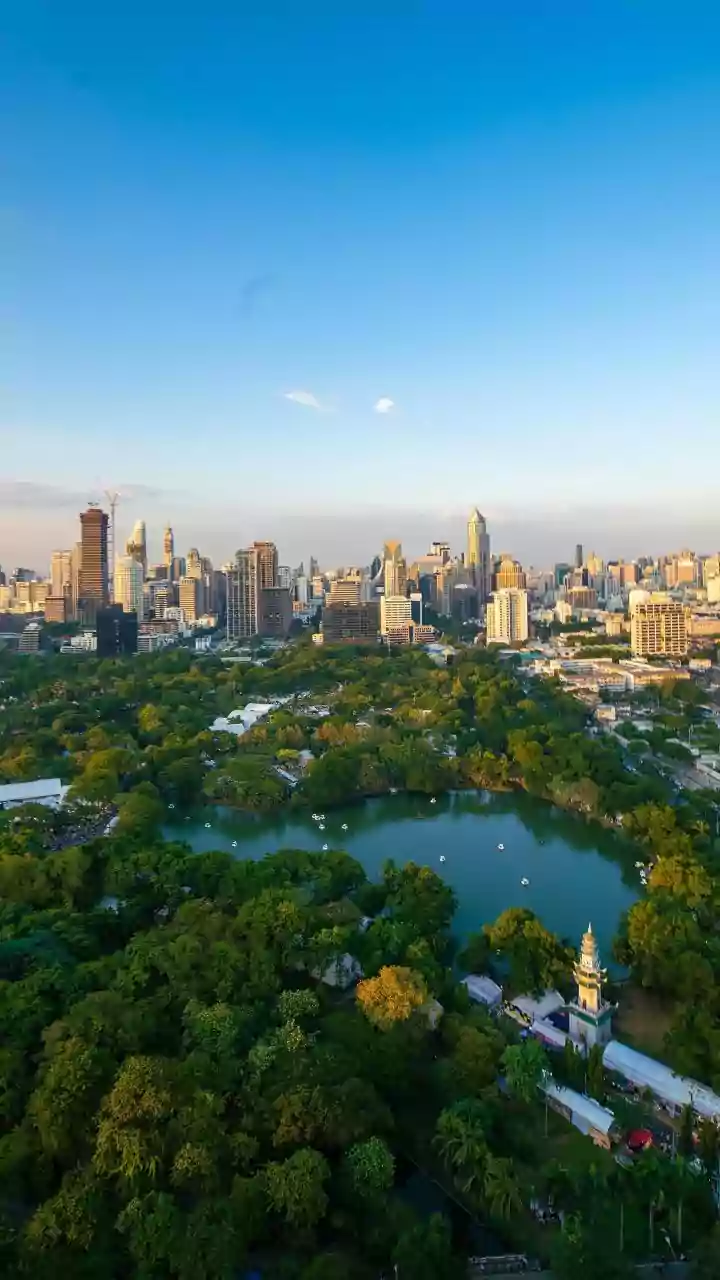

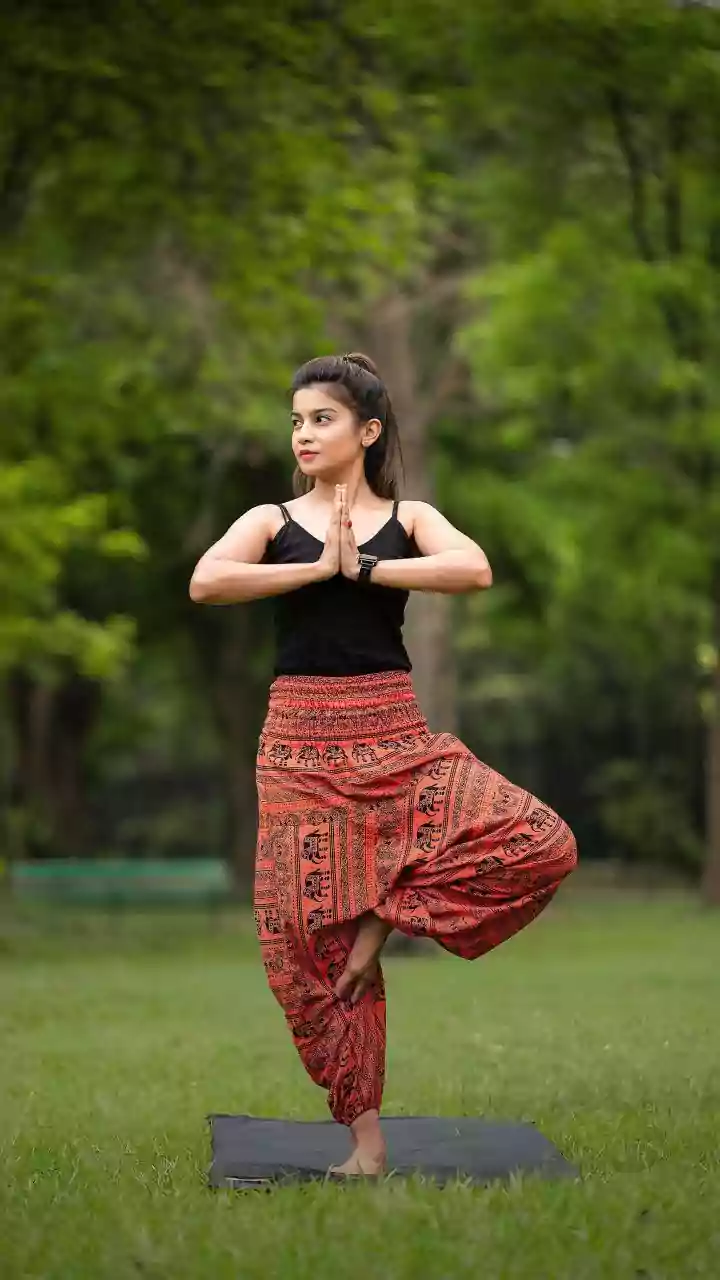



Across India's bustling cities, a quiet revolution is taking place. The local park, once reserved for gentle morning walks and children's playtime, is now the new gym for a growing number of fitness enthusiasts trading air-conditioning for fresh air.
The Rise of the Green Gymnasium
The four walls of a traditional gym are giving way to open skies and green landscapes. This shift, accelerated since the pandemic, has seen urban parks in cities like Mumbai, Delhi, and Bangalore transform into dynamic fitness hubs. A 2021 study noted that 59.1% of active adults chose outdoor activities as their preferred way to stay fit, a significant increase from pre-pandemic times. This isn't just about saving on expensive gym memberships; it's a fundamental change in how people approach well-being. Fitness is no longer confined to a specific time or place but is integrated into daily life in public, accessible spaces. This trend reflects a broader societal move towards healthier, more holistic lifestyle choices where fitness and nature go hand-in-hand.
More Than Just a Workout
The benefits of outdoor exercise extend far beyond the physical. Scientific studies have shown that working out in natural environments can significantly boost mental health. Exposure to sunlight increases the body's production of Vitamin D and serotonin, which helps regulate mood and can reduce symptoms of anxiety and depression. Even a short 20-minute session in nature is shown to lower levels of the stress hormone cortisol. The varied terrain of a park also challenges the body in ways a flat gym floor cannot, engaging more stabilising muscles and potentially burning more calories. From a physiological standpoint, exercising outdoors can feel less strenuous, which may help individuals push their performance limits.
From Yoga Circles to Pull-Up Bars
The types of workouts being performed are as diverse as the people doing them. Early mornings in parks like Lodhi Garden in Delhi or Cubbon Park in Bangalore reveal groups practising everything from high-intensity interval training (HIIT) to tai chi. Yoga circles are a common sight, with practitioners finding the serene environment enhances mindfulness. Running clubs have also found a natural home in city parks, creating structured and social fitness routines. A major growing trend is calisthenics, or bodyweight training. Enthusiasts use existing park structures like benches and railings, and increasingly, dedicated outdoor gyms with pull-up bars and parallel bars are being installed by local authorities to meet demand. This has given rise to dedicated calisthenics parks and communities in cities like Mumbai and Hyderabad.
Building a Community of Fitness
Perhaps one of the most significant aspects of this trend is the strong sense of community it fosters. Unlike the often solitary experience of a commercial gym, park workouts are inherently social. Strangers with a shared interest in fitness become workout partners and friends, creating informal support networks that boost motivation and accountability. In Chennai, one fitness community grew from 30 to over 250 participants by creating fun and diverse events in open spaces. These groups often coordinate through social media, organizing weekend runs or boot camp sessions, transforming neighbourhood parks into hubs of positive social interaction and collective wellbeing.