




The Great Green Reawakening
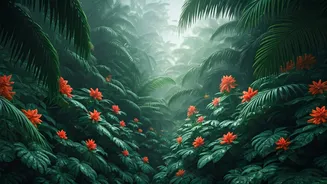
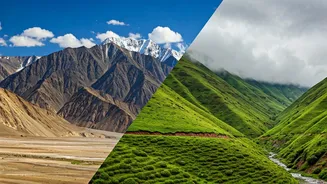
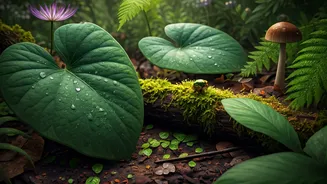
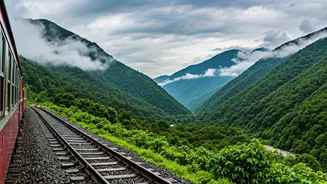
The most immediate change the monsoon brings is visual. Landscapes scorched brown by the summer sun are miraculously painted in countless shades of green. Rivers that were mere trickles swell into powerful currents, and temporary wetlands appear, creating
new ecosystems overnight. While many assume national parks shut down entirely, this is a misconception. Although core zones often close to protect breeding animals and prevent vehicles from getting stuck, many parks keep buffer zones and specific routes open. Destinations like Periyar in Kerala, Tadoba's buffer zones in Maharashtra, and parts of Ranthambore in Rajasthan offer a chance to witness this lush renewal. The rain washes the dust from the air, making colours more vibrant and providing a fresh, clean canvas for photographers.
A Symphony of Amphibians and Reptiles
The monsoon is the season for creatures that thrive in dampness. The air, especially at night, fills with the chorus of frogs calling for mates—a sound synonymous with the Indian rains. This is the prime breeding season for amphibians, who lay their eggs in the newly formed pools and puddles. With the abundance of frogs, snakes become more active and visible. Their usual underground burrows and crevices often flood, forcing them to seek higher, drier ground. While this increases the chances of human-snake encounters, it also provides a rare opportunity to observe these often-elusive reptiles in their natural habitat.
A Feast for Winged Inhabitants
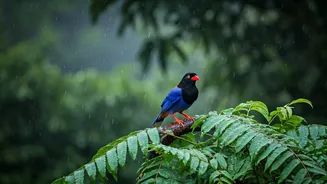
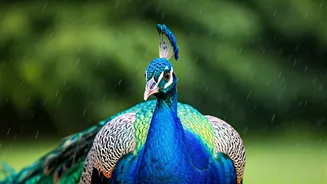
For birds, the monsoon is a time of plenty. The rains trigger a surge in insect populations, providing an abundant food source for raising young. This is why many birds time their nesting to coincide with the monsoon. One of the most famous avian arrivals is the Jacobin Cuckoo, or Pied Cuckoo. This migratory bird, arriving from Africa, is traditionally known as the 'harbinger of the monsoon' because its arrival often precedes the first showers. Its presence is so linked to the rains that it has been immortalised in Indian poetry and folklore as the 'Chatak', a bird that thirsts only for raindrops. Other species, like peacocks, are famous for their elaborate courtship dances during this season.
Shifting Strategies for Big Mammals
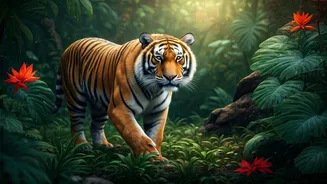
The monsoon changes the game for India's large mammals. With water available everywhere, animals like deer, gaur, and elephants don't need to congregate around a few scarce waterholes, making them more dispersed. However, the lush vegetation can also bring them to the edges of forests and clearings. Parks like Kabini and Nagarhole in Karnataka, known for their elephant populations, offer incredible sightings against a backdrop of verdant forests. Even predators adapt. Tigers, for example, must constantly re-mark their territories as the rain washes away their scent markings. The damp forest floor, covered in moist leaves, also allows predators like leopards to move more silently, altering their hunting strategies.
The Wildflower Spectacle
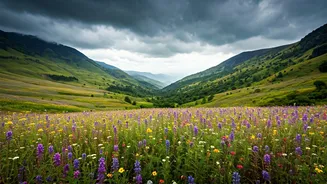
Perhaps one of the most stunning monsoon transformations occurs in specific plateaus of the Western Ghats. The Kaas Plateau in Maharashtra, a UNESCO World Heritage site, remains largely barren for most of the year. But during the monsoon, from late August to early October, it explodes into a carpet of over 850 species of wildflowers. This floral wonderland, often called Maharashtra's 'Valley of Flowers', attracts botanists, photographers, and nature lovers who come to witness the vibrant, but short-lived, bloom. The display includes rare orchids and even a plant, the Karvy, that blooms only once every eight years.