






1. Make a Plan, Not Just a Meal
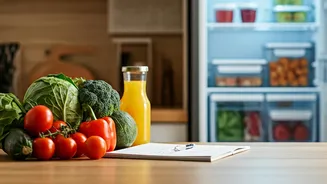
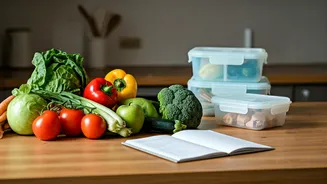
The single biggest money-saver in the kitchen is having a plan. Before you even think about shopping, spend 15 minutes planning your meals for the week. What will you have for lunch and dinner from Monday to Friday? This simple act prevents the dreaded
8 PM question: “What should we eat?” which often leads to an expensive order. A plan allows you to create a precise grocery list, eliminating impulse buys of fancy snacks or ingredients you’ll never use. You buy only what you need, which is the first step to curbing food waste and overspending. Start small: plan just three days' worth of dinners until you get the hang of it.
2. Befriend Your Local and Seasonal Produce
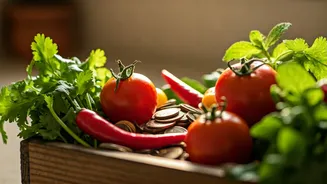
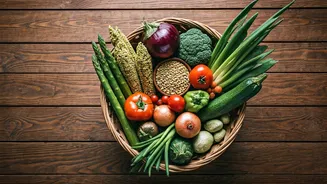
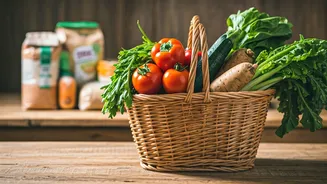
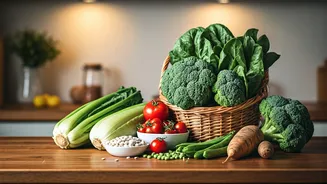
That shiny red bell pepper or packet of baby corn might look appealing, but is it in season? Shopping for seasonal, local vegetables and fruits is a game-changer for your budget. Produce that is in season is abundant, which means it’s cheaper, fresher, and more flavourful. Your local sabziwala is your best resource. Ask what’s fresh and cheap. You’ll find that staples like lauki, bhindi, and palak are far more economical at the right time of year than imported broccoli or asparagus. Building your meals around seasonal availability trains you to be a more creative and resourceful cook.
3. Buy in Bulk, But Smartly
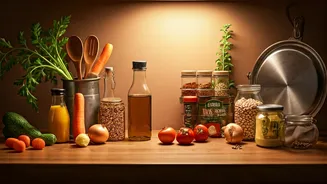
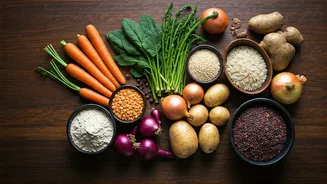
Walking into a large supermarket can be overwhelming, but the bulk section is your ally. Items with a long shelf life—like rice, dal, chickpeas, rajma, and whole spices—are almost always cheaper when purchased in larger quantities. Instead of buying a tiny, expensive packet of jeera every few weeks, invest in a larger bag that will last you months. This strategy reduces your cost per gram and means fewer trips to the store. The key is to only buy things in bulk that you know you will use regularly. Don't fall for a giant bag of a niche grain you've never cooked with before.
4. Master the Art of Leftovers
In an Indian kitchen, leftovers aren’t a sign of failure; they’re an opportunity for creativity. Yesterday's dal can become today's dal parathas. Leftover sabzi can be stuffed into a sandwich or rolled into a frankie. Extra rice is the perfect base for a quick lemon rice or fried rice. Reimagining leftovers saves you the effort and cost of making a brand-new meal from scratch. It’s the ultimate form of 'jugaad' cooking. By seeing leftovers as ingredients for your next meal, you ensure that almost nothing you cook goes to waste, stretching every rupee you spend on groceries.
5. Cook Once, Eat Twice (or Thrice)
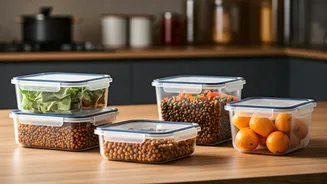
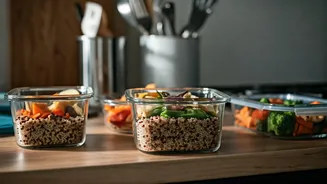
If you find daily cooking exhausting, batch cooking is your solution. The concept is simple: you cook a large quantity of a base component that can be used in different meals throughout the week. For example, on a Sunday, you can boil a large batch of chickpeas. On Monday, they can be used for chole. On Wednesday, you can turn them into a quick hummus or a salad. Similarly, a big batch of a basic onion-tomato gravy can be frozen in portions and used as a quick starter for multiple curries, saving you immense time and effort on busy weekdays.
6. Learn to Make Your Favourites at Home
Do you find yourself constantly craving that specific cafe-style cold coffee or a cheesy pizza? Identify the dishes you order most often and learn how to make a simple, home-cooked version. The internet is filled with easy recipes for everything from chilli chicken to pasta. Making it yourself is not only drastically cheaper but also healthier, as you control the amount of oil, salt, and sugar. Mastering just a few of your go-to takeaway dishes can save you thousands of rupees a month and give you a huge sense of accomplishment.