







From All-Nighters to Inner Peace
For generations, a young person’s holiday was synonymous with maximum activity. It was about seeing as much as possible, staying out as late as possible, and returning with a camera full of landmarks and a need for another holiday. Today, that model is
being challenged. A growing number of Gen Z and Millennial travellers in India are prioritising something entirely different: rest. They are swapping sightseeing sprints for silent retreats, and party-centric getaways for yoga and meditation breaks. Recent travel data reveals a significant shift, with 73% of Gen Z now planning trips specifically for wellness benefits like relaxation and self-care. This isn't about avoiding fun; it's about redefining it. The new goal is to return home not depleted, but restored.
A Generation Driven by Burnout
The primary engine of this trend is a distinctly modern problem: burnout. Gruelling work cultures, constant digital connectivity, and the pressure to be 'always on' have left many young professionals feeling emotionally and mentally drained. Travel is no longer just an escape, but a necessary coping mechanism. Many young Indians describe their pre-trip state as being stuck in a “mundanity spiral” that feels overwhelming. In response, they are seeking out holidays that offer a genuine mental reset. A recent Skyscanner report found that 93% of Gen Z travellers say travel improves their mental well-being, and 81% feel it helps them build resilience to handle daily stress. These trips are a direct reaction to a life of overstimulation, offering a precious chance to disconnect.
What a Wellness Micro-Break Looks Like
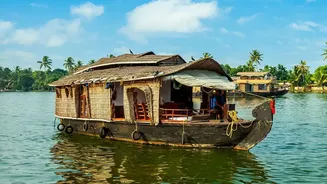
So, what does one of these short wellness holidays involve? They are often two-to-six-night getaways, sometimes called 'micro-breaks' or 'micro-sabbaticals', designed for maximum impact in minimum time. Instead of a packed itinerary, the schedule might include yoga and meditation sessions, guided ayurvedic treatments, or simply unstructured time spent in nature. Many of these retreats, found in serene locations like Rishikesh, Kerala, or the Himalayas, focus on holistic healing. The package often includes digital detoxes, mindfulness workshops, and healthy, organic food. It's less about seeing a place and more about being in a place, allowing the nervous system to reset away from the noise of urban life. This represents a move toward intentional travel, where the primary activity is recovery.
An Investment in Well-Being
Crucially, the perception of these trips is also changing. They are not seen as a frivolous expense but as a vital investment in personal health. With the Indian wellness tourism market valued at over USD 32 billion in 2024 and projected to grow, it's clear this is more than a niche trend. Young travellers are choosing experiences that offer personal growth and a deeper connection with themselves over traditional luxury. This is reflected in how they choose accommodation, with half of Gen Z selecting hotels on work trips based on their wellness offerings, like a gym or spa. For this generation, a holiday's value is measured by its long-term benefits for mind and body, not just the memories made.