





The Science of a Steady Morning
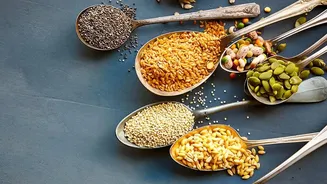
Before diving into the specific seeds, it's helpful to understand why they are so effective. The key lies in their nutritional makeup. Seeds are generally low in carbohydrates and rich in soluble fibre, healthy fats, and protein. This combination is a win
for blood sugar management. Fibre, especially soluble fibre, forms a gel-like substance in the digestive system, which slows down the absorption of sugar into the bloodstream. This prevents the sharp glucose spikes and subsequent crashes that can leave you feeling drained. The protein and healthy fats also contribute to a feeling of fullness, or satiety, which can help with weight management—an important aspect of diabetes care. By preventing this 'blood sugar rollercoaster', you can enjoy more stable and sustained energy levels throughout the morning.
1. Chia Seeds: The Fibre Powerhouse
Chia seeds are tiny but mighty, renowned for their incredible ability to absorb liquid and form a gel. This is due to their high soluble fibre content, which is exceptional for slowing digestion and preventing rapid blood sugar increases after a meal. Just two tablespoons contain around 10 grams of fibre. They are also a great source of plant-based omega-3 fatty acids and protein. Studies have shown that their low glycemic index and ability to improve insulin sensitivity make them a smart choice for people with diabetes. For a simple breakfast, try making an overnight chia seed pudding by mixing a few tablespoons with unsweetened almond milk and a dash of cinnamon, or simply sprinkle them over Greek yogurt.
2. Flaxseeds: Rich in Lignans and Omega-3s
Flaxseeds are another excellent addition to a diabetes-friendly diet, celebrated for their high content of fibre, alpha-linolenic acid (ALA)—a type of omega-3 fat—and powerful compounds called lignans. Research suggests that daily consumption of flaxseed can lead to modest improvements in long-term blood sugar control (HbA1c) and insulin sensitivity. The soluble fibre in flaxseeds slows down the release of sugar into the blood, promoting more stable glucose levels. For the best nutritional benefit, it's recommended to consume flaxseeds in their ground form, as the whole seeds can pass through the digestive system undigested. Stir a tablespoon of ground flaxseed into your morning oatmeal or blend it into a smoothie to easily reap its benefits.
3. Pumpkin Seeds: A Magnesium Boost
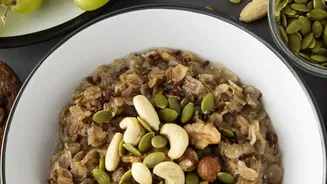
Often called pepitas, pumpkin seeds are packed with valuable nutrients, most notably magnesium. This mineral is crucial for blood sugar regulation, as it plays a significant role in the body's response to insulin. Higher magnesium intake is consistently linked to a lower risk of type 2 diabetes and improved insulin sensitivity. In addition to magnesium, pumpkin seeds provide a good amount of fibre, protein, and healthy monounsaturated fats, all of which contribute to better glycemic control and satiety. Some research has shown that consuming pumpkin seeds with a meal can reduce the post_meal blood sugar spike significantly. Enjoy a small handful as a snack or sprinkle them over cottage cheese or avocado toast.
4. Sunflower Seeds: Full of Healthy Fats
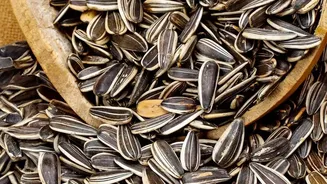
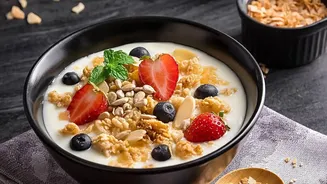
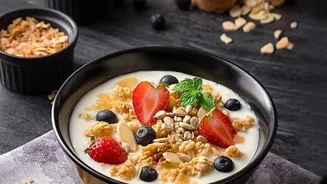
Sunflower seeds are not just a popular snack; they are also a smart choice for blood sugar management. They have a very low glycemic index, meaning they have a minimal impact on blood glucose levels. They are rich in healthy polyunsaturated and monounsaturated fats, which, along with their protein and fibre content, help slow down digestion and the absorption of carbohydrates from other foods in the same meal. They are also a great source of vitamin E, an antioxidant that can help reduce inflammation, a common concern in diabetes. Adding a tablespoon of unsalted sunflower seeds to a salad or mixing them into yogurt can add a satisfying crunch and a dose of blood_sugar_friendly nutrients.
5. Sesame Seeds: Small Seed, Big Benefits
Sesame seeds have been used in traditional medicine for centuries and are valued for their rich, nutty flavour and impressive nutrient profile. They are extremely low in carbohydrates and high in healthy fats and protein, which helps prevent blood sugar spikes. Research indicates that regular consumption of sesame products, like the seeds themselves or their oil, can lead to significant reductions in fasting blood sugar and HbA1c levels in people with type 2 diabetes. These seeds contain unique compounds like sesamin and are a good source of magnesium, both of which may contribute to improved glycemic control. Sprinkle them on top of a veggie omelette or blend them into a tahini_based dressing for your morning meal.