






The Unique Thrill of Indian Off-Roading
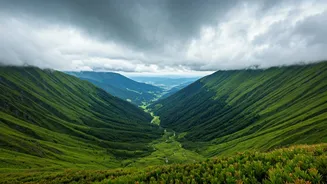
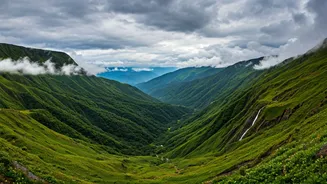
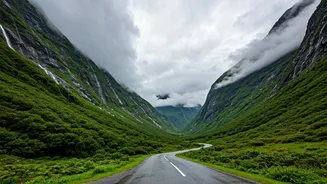
Owning a Jeep in India isn't just about navigating city traffic with a high stance; it's about unlocking the country's breathtaking and rugged landscapes. From the misty hills of Coorg and the rocky ghats near Pune to the dense forests of the Northeast,
there’s an adventure waiting around every unpaved corner. The key is knowing how to approach these challenges. A capable 4x4 is your ticket to the show, but knowledge is what allows you to enjoy it safely and confidently. Whether you're a seasoned pro or a weekend warrior, respecting the terrain and understanding your vehicle's capabilities are paramount.
Mastering the Water Crossing
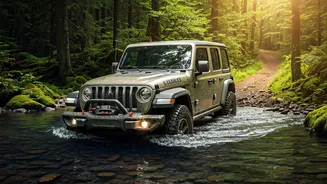
A splashy water crossing looks fantastic in photos, but it can be one of the riskiest manoeuvres in off-roading. Get it wrong, and you risk catastrophic engine damage. Here’s how to do it right: 1. **Stop and Assess:** Never plunge into water blindly. Get out and walk the crossing if it's safe to do so. Check the depth with a stick—if it's deeper than your vehicle's specified water-wading depth (check your manual!) or above the centre of your wheels, think twice. Assess the entry and exit points and look for hidden rocks or drop-offs. 2. **Create a Bow Wave:** Engage 4-Low for maximum torque and control. Enter the water slowly but maintain a steady speed (around 5-7 km/h) to create a 'bow wave' in front of your vehicle. This wave creates a depression in the water level around your engine bay, helping to protect vital electronics and the air intake. 3. **Stay Steady:** Do not stop, change gears, or lift your foot off the accelerator mid-stream unless absolutely necessary. A steady throttle ensures the exhaust pressure keeps water out. If you follow a gentle, consistent arc, you can maintain momentum without creating excessive splashes that could flood the engine. 4. **Dry Your Brakes:** Once you're safely on the other side, gently tap your brakes a few times while driving slowly. This helps to dry them out and ensures they are effective for the trail ahead.
Conquering Forest Trails
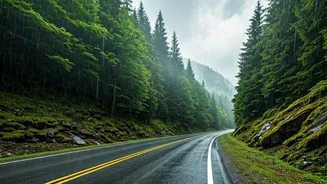
Forest trails are a mix of mud, rocks, ruts, and steep gradients, especially post-monsoon. They test both driver and machine. 1. **Read the Terrain:** Always look ahead, planning your line 10-15 metres in advance. Try to keep your wheels on the highest points of the trail to avoid getting beached in deep ruts. When tackling muddy sections, maintain momentum without spinning your wheels excessively, which only digs you in deeper. 2. **Use the Right Gearing:** 4-Low is your best friend on steep, technical sections. It multiplies engine torque, giving you incredible control at low speeds for both ascents and descents. When going downhill, use engine braking in a low gear to control your speed, only using the brakes for minor corrections to avoid skidding. 3. **Mind Your Angles:** Be aware of your Jeep's approach, departure, and breakover angles. Approach steep obstacles at a slight angle if possible, allowing one wheel to climb at a time. This prevents the front bumper from digging in and helps maintain traction.
Essential Pre-Ride Checklist
Preparation is 90% of the game. Before you even leave the tarmac, ensure you have the basics covered. A reliable tyre pressure gauge and a portable air compressor are non-negotiable; lowering tyre pressure increases the contact patch for better grip on loose surfaces. Always carry a basic recovery kit including a tow strap, D-shackles, and a pair of gloves. A first-aid kit and extra water are also essential. Most importantly, never go off-roading alone. Travelling with at least one other vehicle means you have help if you get stuck. Let someone back home know your planned route and estimated time of return.