






The Science Behind the Risk
Every time you cool and reheat food, you are giving bacteria a new opportunity to grow. When food sits at room temperature, even for a short while, bacteria can multiply. While cooking or reheating can kill active bacteria, it often doesn't eliminate
the heat-resistant spores or toxins some bacteria produce. These spores can survive the reheating process and begin to multiply again as the food cools, creating a cycle of increasing risk. With each reheating cycle, the potential for a higher bacterial load and more toxins increases, raising your risk of foodborne illness.
The Temperature Danger Zone
A key concept in food safety is the 'temperature danger zone', which is the range between 5°C and 60°C. Within this range, harmful bacteria can double in number in as little as 20 minutes. When you reheat food, it must pass through this zone. The slower it heats up, the more time bacteria have to thrive. Likewise, when you cool leftovers, it's crucial to do so quickly to move the food through this danger zone as fast as possible. Repeatedly passing food through this zone by cooling and reheating gives bacteria multiple chances to flourish, making your meal progressively less safe.
Not All Foods Are Created Equal
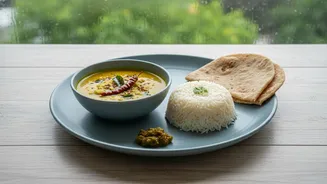
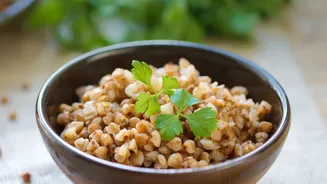
Certain foods are more susceptible to the risks of repeated reheating due to their composition. Rice, for example, can contain spores of a bacterium called Bacillus cereus. These spores can survive initial cooking and, if the rice is left at room temperature, can grow into bacteria that produce toxins. Reheating won't destroy these toxins. Chicken and other poultry are prone to Salmonella contamination, and improper reheating can fail to kill all the bacteria present. Leafy green vegetables like spinach and celery contain nitrates, which can be converted into potentially harmful nitrites and then nitrosamines with repeated heating. These compounds have been linked to health concerns, making it wise to eat these foods fresh or reheated only once.
Nutrient Loss and Quality Degradation
Beyond the safety concerns, repeatedly zapping your meal in the microwave affects its nutritional value and quality. Each heating cycle can degrade water-soluble vitamins like Vitamin C and B vitamins. The heat can also alter the chemical structure of proteins, potentially reducing their quality. Furthermore, the texture and flavour of your food suffer with each trip to the microwave or oven. Vegetables can turn to mush, meats can become tough and dry, and the overall taste can become bland or unappetizing. While this isn't a safety risk, it certainly diminishes the enjoyment of your meal.
Best Practices for Safe Leftovers
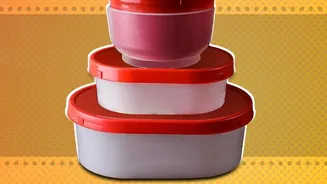
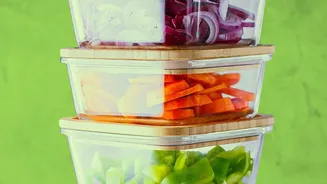
To enjoy leftovers without worry, follow a few simple rules. First, cool leftovers as quickly as possible—ideally within two hours—by dividing large portions into smaller, shallow containers. When you do reheat, ensure the food reaches an internal temperature of at least 74°C throughout to kill any active bacteria. A food thermometer is your best friend here. Most importantly, make it a rule to only reheat leftovers once. If you have a large batch of food, only take out and reheat the portion you plan to eat immediately. This simple habit dramatically reduces the risks associated with bacterial growth and ensures your food remains as safe and tasty as possible.