






What is the Monsoon Retreat?
The Southwest Monsoon, which brings the majority of India's annual rain, doesn't just end abruptly. It withdraws in a gradual process known as the monsoon retreat. This typically begins in the northwestern state of Rajasthan around mid-September. From
there, the line of withdrawal moves progressively southeast over several weeks. This retreat is marked by a change in wind patterns, a drop in humidity, and clearer skies as the rainy season gives way to drier, cooler weather. The India Meteorological Department (IMD) officially declares the start of the withdrawal based on specific criteria, including five straight days of no rain and the establishment of an anticyclone in the lower atmosphere.
A Pattern in Flux
For decades, this withdrawal has been getting later. The IMD has already updated its official withdrawal timelines; the 'normal' start date for withdrawal from Rajasthan was shifted from September 1 to September 17 to reflect data from recent decades. Yet even with this adjustment, the monsoon has frequently overstayed its welcome. In several recent years, the withdrawal has only commenced in late September or even early October, significantly later than the revised normal date. This trend is widely attributed by meteorologists to climate change, including warming sea surface temperatures and shifting global atmospheric circulations. These factors disrupt the delicate balance that cues the monsoon's retreat, effectively elongating the rainy season.
More Rain, But is it Good News?
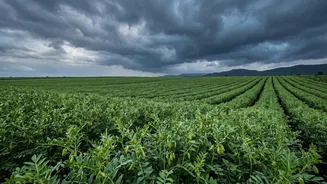
A delayed retreat means a longer rainy season, but the nature of this extra rainfall is often problematic. Instead of gentle, sustained showers, the extended season is frequently marked by intense, heavy downpours concentrated over short periods. This can lead to flooding and waterlogging, which can be devastating for standing kharif (summer) crops like paddy and soybeans that are in their harvesting stage. While the extra moisture can help replenish reservoirs and benefit the subsequent rabi (winter) crop sowing, the immediate damage to ready-to-harvest produce often outweighs the benefits. The trend is towards more erratic, extreme rainfall events rather than a useful extension of moderate rains.
The Lingering 'October Heat'
The change isn't just about rain; it's also about temperature. Traditionally, the monsoon's withdrawal brings a pleasant drop in temperature and humidity. However, a delayed retreat is altering this pattern. The period that follows the main monsoon season is increasingly marked by oppressive heat and high humidity, a phenomenon popularly known as 'October heat'. With the monsoon circulation lingering, moisture remains trapped in the atmosphere. When combined with clear skies and strong sunshine between rain spells, it creates uncomfortably hot and humid conditions. This not only affects human comfort but can also create a stressful environment for agriculture and livestock.