






From Instagram to Your Kitchen
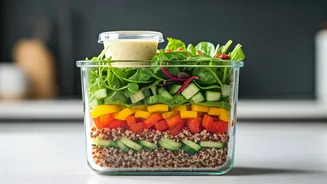
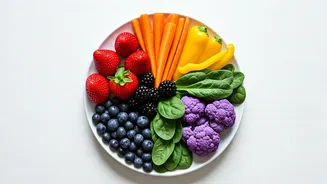
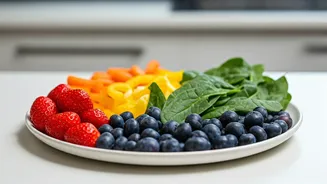
The ‘rainbow plate’ is exactly what it sounds like: a meal composed of foods from every colour of the spectrum. What started as a visual trend on platforms like Instagram and Pinterest has evolved into a popular wellness guideline. The core idea is simple
and intuitive: a plate full of colour is a plate full of nutrients. While the aesthetic appeal is undeniable, nutritionists have been championing this concept for decades, long before it had a catchy hashtag. The principle, often called ‘eating the rainbow,’ is a straightforward way to ensure you're consuming a wide variety of vitamins, minerals, and other beneficial plant compounds.
The Science of Colourful Food
The vibrant colours in fruits and vegetables aren't just for show. They come from natural pigments called phytonutrients (or phytochemicals). These compounds are produced by plants to protect themselves from environmental threats like pests and UV radiation. When we eat these plants, we get to borrow their protective benefits. There are thousands of different phytonutrients, and many function as antioxidants, which help protect our cells from damage caused by free radicals. Different colours signify the presence of different phytonutrients, each with unique health benefits. This is why no single ‘superfood’ can do it all; variety is truly the key to a nutrient-rich diet.
Red: For Heart and Cell Health
Red fruits and vegetables are typically rich in lycopene and anthocyanins. Lycopene is a powerful antioxidant linked to a reduced risk of certain cancers and improved heart health. You can find it in tomatoes (especially when cooked), watermelon, pink guava, and red bell peppers. Anthocyanins, which also give foods a blue or purple hue, are known for their anti-inflammatory properties. To get your dose of red, think about adding roasted beets to your salad, snacking on pomegranates, or making a fresh tomato soup.
Orange & Yellow: For Vision and Immunity
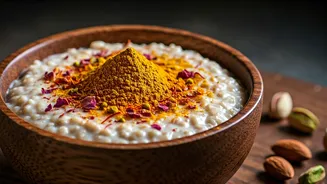
The bright glow of orange and yellow foods comes from carotenoids, such as beta-carotene. The body converts beta-carotene into Vitamin A, which is crucial for healthy vision, a strong immune system, and skin health. These foods are also often packed with Vitamin C. Load up on carrots, sweet potatoes, pumpkins (kaddu), mangoes, and papayas. Don't forget the power of spices like turmeric (haldi), a staple in Indian cooking, which contains curcumin, a potent anti-inflammatory compound.
Green: The Ultimate Detoxifier
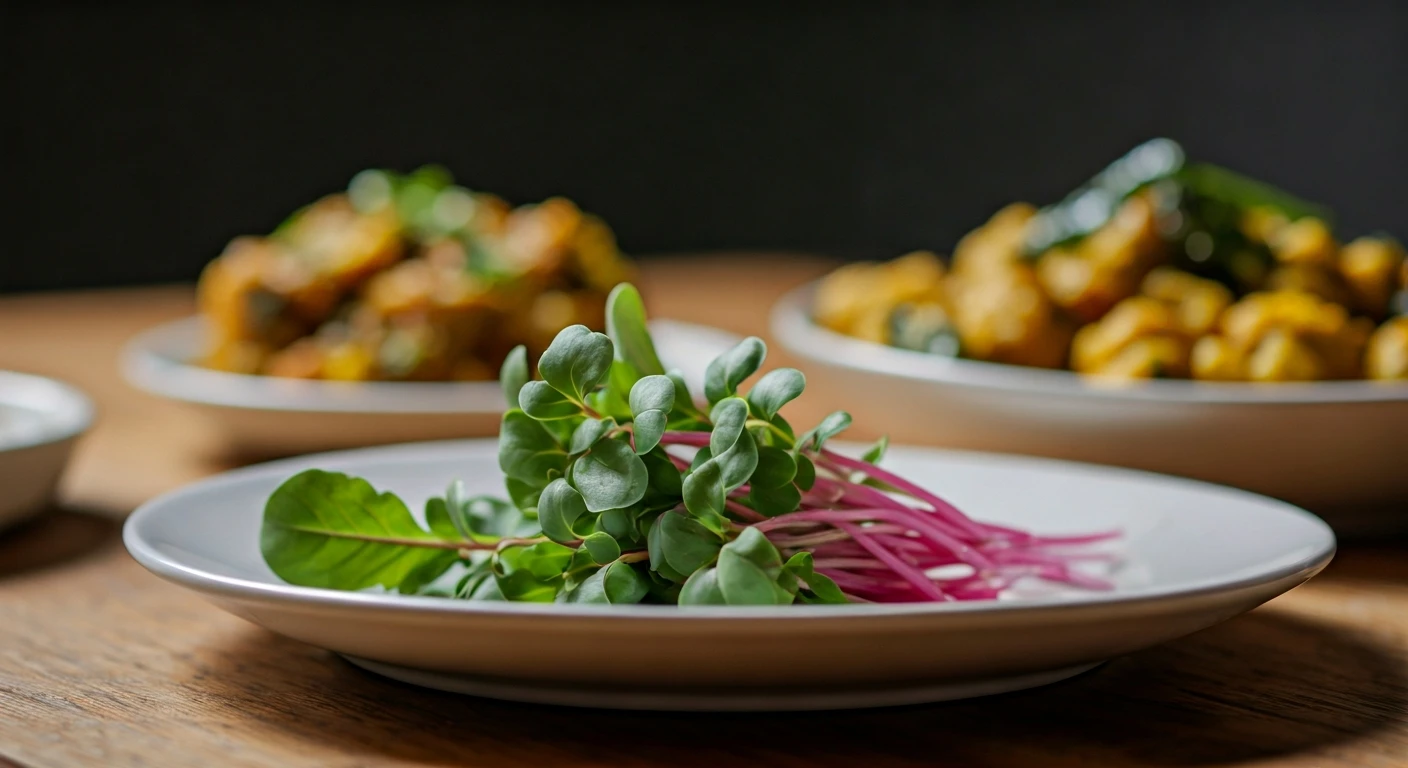
Green is perhaps the colour we most associate with health, and for good reason. Leafy greens like spinach (palak), fenugreek (methi), and kale are loaded with chlorophyll, folate, iron, and Vitamin K. Cruciferous vegetables like broccoli, cabbage, and cauliflower contain compounds that support liver function and detoxification. From simple dal palak to a side of sautéed bhindi (okra) or a refreshing green chutney, incorporating green into every meal is one of the easiest ways to boost your nutrient intake.
Blue & Purple: For Brain and Longevity
Often considered the royalty of the rainbow, blue and purple foods get their rich colour from anthocyanins. These powerful antioxidants are studied for their potential to support brain health, improve memory, and promote healthy ageing. They may also help reduce the risk of heart disease and improve cognitive function. Excellent Indian sources include brinjals (baingan), jamun (black plum), purple cabbage, and black grapes. Even a handful of jamuns in season can provide a significant antioxidant boost.
Putting It All Together
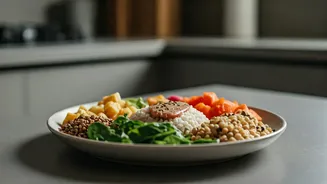
Creating a rainbow plate doesn't have to be complicated or expensive. The goal is variety over perfection. You don’t need every colour in every single meal. Instead, aim to include a few different colours throughout your day. A simple Indian thali is a perfect example of a balanced, rainbow plate—with dal (yellow), a green vegetable sabzi, a side of beetroot or carrot salad (red/orange), and white rice or roti. Use colourful chutneys and spices to add more phytonutrients. The key is to be mindful and make small, consistent additions. Think of it less as an aesthetic rule and more as a helpful guide to a more vibrant, healthier you.