


Start with a Welcoming Entrance
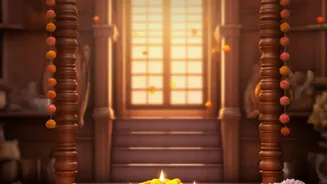
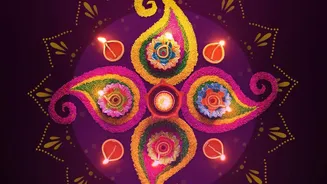
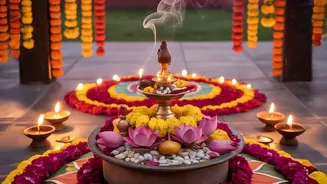
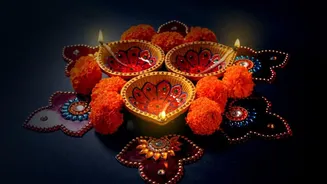
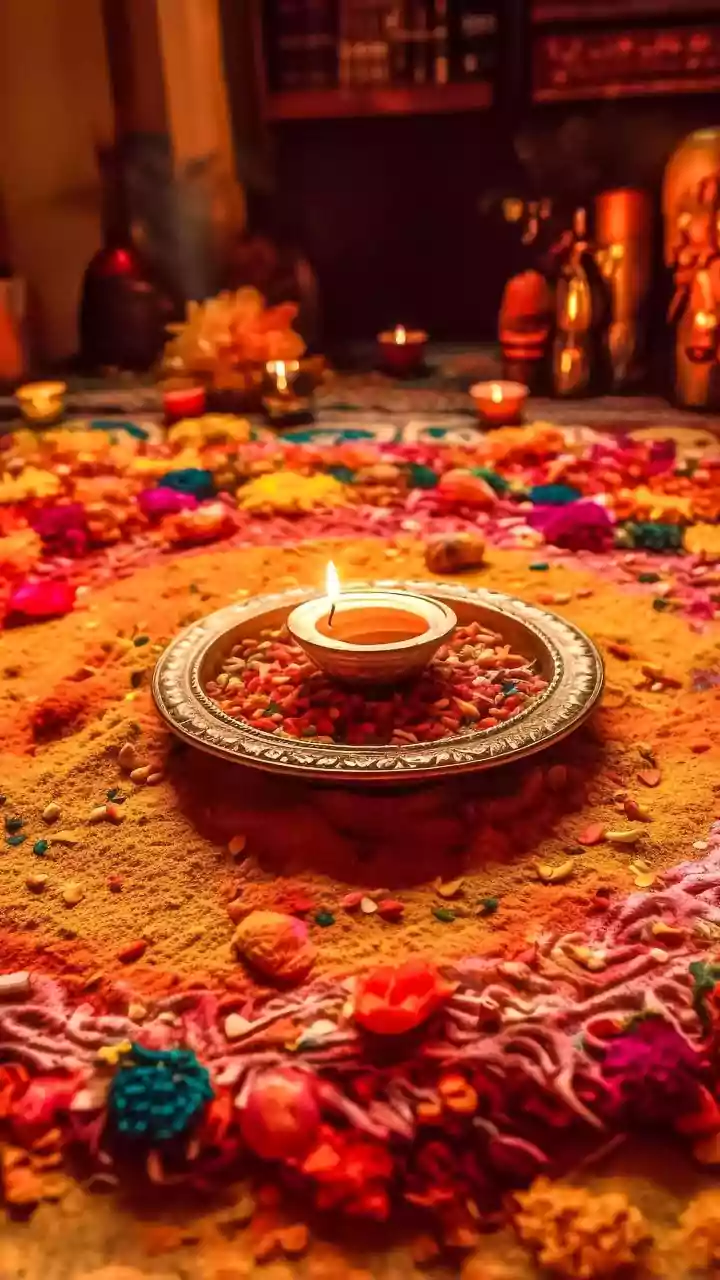
The entrance to your home sets the first impression for guests and is believed to welcome positive energy. A traditional toran, made of fresh marigold flowers and mango leaves, is a classic choice for any doorway. You can also create a colourful rangoli
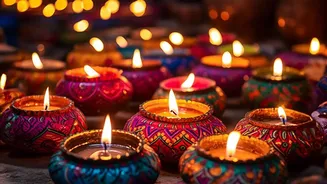
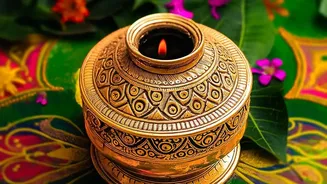
on the floor using flower petals or coloured powders. Placing a few hand-painted clay diyas or elegant brass lamps near the entrance will create a warm, inviting glow in the evenings, setting a serene and festive mood from the moment someone steps inside.
Create a Divine Pooja Corner
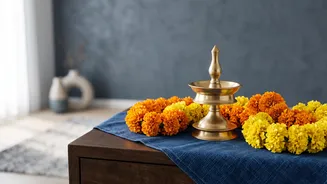
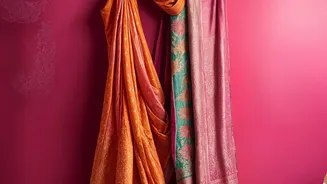
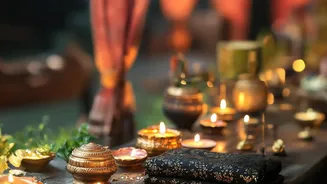
The home mandir or pooja space is the spiritual heart of Navratri celebrations. To make it feel special, start by cleaning the area and creating a backdrop with vibrant fabrics like old sarees or dupattas in festive colours such as red or yellow. Adorn the idols with fresh flower garlands and place them on a decorated chowki, or small table. Arrange brass diyas, incense holders, and a decorative puja thali to complete the sacred space. This corner will be the focal point for your daily prayers and aarti, so making it beautiful enhances the devotional experience.
Illuminate with Lights and Lamps
Lighting is symbolic of dispelling darkness and plays a huge role in festive decor. Beyond the traditional diyas, you can use a variety of lighting options to create a magical ambience. String fairy lights around windows, balconies, or behind the mandir for a soft, twinkling effect. Traditional lanterns, whether made of paper or metal, can be hung in corners or on covered patios to add an artistic touch. For a stunning centrepiece, fill a brass urli bowl with water, float some flower petals, and add a few floating candles.
Embrace the Nine Colours of Navratri
A popular tradition during Navratri is to associate each of the nine days with a specific colour. For 2026, the sequence begins with orange, followed by white, red, royal blue, yellow, green, grey, purple, and peacock green. You can incorporate this theme into your decor by switching out small furnishings. Use cushion covers, table runners, or throws that match the colour of the day. This adds a dynamic and interactive element to your decorations, keeping the festive spirit fresh for all nine nights.
Incorporate Natural and Floral Elements
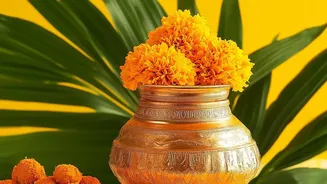
Flowers are an indispensable part of Indian festive decor, bringing freshness, fragrance, and colour. Marigolds are a traditional favourite due to their auspicious and bright nature. Arrange them in garlands, use them for rangoli, or simply place them in vases around the house. You can also use other flowers like roses and jasmine. For an eco-friendly approach, consider decorating with indoor plants or using dried flowers and bamboo accents for a rustic, sustainable charm that lasts longer.
Consider a Traditional Golu Display
In many parts of South India, a key Navratri tradition is the Golu or Bommai Kolu, a tiered display of dolls. These displays are set up on an odd number of steps, typically three, five, seven, or nine. The top steps are reserved for idols of deities, the middle steps for saints and mythological figures, and the lower steps depict scenes from everyday life, like villages or festivals. Creating a Golu is a wonderful way to tell stories, pass on cultural traditions to younger generations, and create a unique focal point in your home.