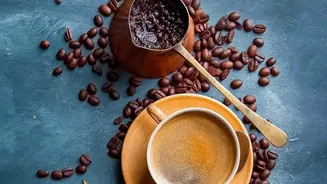




From a Quick Fix to a Curated Experience
For decades, coffee in most Indian households meant a spoonful of instant powder. Brands like Nescafé and Bru were synonymous with the beverage itself, prized for convenience and consistency. But a significant cultural shift is underway, led by Millennials
and Gen Z. This demographic, which now makes up nearly 65% of specialty coffee consumers in India, is trading the instant fix for an artisanal sip. The motivation isn't just a caffeine kick; it's about the experience. Young, urban consumers with rising disposable incomes are seeking authenticity and quality. They want to know the story behind their cup: the region, the farm, the roast profile, and the specific brewing method that brings it to life. This curiosity has transformed coffee from a simple commodity into a lifestyle statement.
Decoding 'Specialty' and 'Single-Origin'
So, what makes a coffee ‘specialty’? Unlike a blend, which mixes beans from various places, a 'single-origin' coffee comes from one specific geographical area—a country, a region, or even a single farm. This matters because coffee, much like wine, gets its flavour from its 'terroir'—the soil, altitude, climate, and even the surrounding vegetation. Specialty coffee is a grade given to beans that score highly for their quality, complexity, and lack of defects. These aren't your average beans; they are the best of the harvest. For years, India exported its finest beans while the domestic market was dominated by instant coffee. Now, a new wave of Indian roasters and cafes is bringing these exceptional coffees home, educating a new generation of drinkers about the nuances of their own country's produce.
Exploring India's Coffee Heartland
The heart of India's coffee production lies in the Western and Eastern Ghats, primarily in the South. The story is said to have begun in the 17th century when a Sufi saint planted seven coffee seeds in the hills of Chikmagalur, Karnataka. Today, this region is renowned for producing some of India's finest Arabica, known for its bright, floral, and citrus notes. Nearby, Coorg (Kodagu), the country's largest coffee-producing district, offers beans that are fuller-bodied, with comforting notes of chocolate and spice. Further east, the Araku Valley in Andhra Pradesh has become a remarkable success story. Once an area of poverty, local tribal communities, with the help of foundations, have transformed the land into the world's largest organic coffee cooperative, producing globally acclaimed Arabica with bright acidity and stone fruit flavours.
The Rise of Homegrown Brands
This coffee revolution is being powered by a host of dynamic, direct-to-consumer (D2C) brands. Companies like Blue Tokai, Third Wave Coffee, and Araku Coffee have become household names among urban coffee lovers. They have built their businesses on transparency and freshness, printing roast dates on every pack and providing detailed information about the estate where the beans were grown. These brands are not just selling coffee; they are building communities through cafes that act as experience centres and by educating consumers online about everything from brewing with a French Press to the subtleties of a pour-over. By bypassing traditional supply chains, they ensure that farmers get a better price and consumers get a much fresher, higher-quality product.
More Than a Beverage: A Lifestyle Choice
For the young Indian drinker, choosing a single-origin coffee is about more than just taste. It is an expression of identity. It reflects a desire to support local economies, embrace sustainable farming practices, and connect with a product that has a genuine story. This movement is not confined to major metros; it's a phenomenon spreading to Tier-2 and Tier-3 cities, where local entrepreneurs are building unique coffee cultures. As consumers invest in brewing equipment like AeroPresses and Moka pots to recreate cafe-style experiences at home, it's clear this is not a fleeting trend. The shift from instant powders to estate roasts signifies a deeper change in consumer values, where quality, authenticity, and experience are the new luxuries.