




More Than Just a Stretch
Surya Namaskar, or the Sun Salutation, is a flowing sequence of 12 yoga postures (asanas) synchronized with breath. Its power lies in its completeness. In just 10 to 15 minutes, the routine systematically warms up, stretches, and strengthens all major
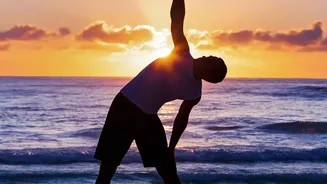
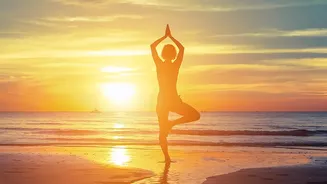
muscle groups, from your shoulders and spine to your hamstrings and calves. Unlike isolated stretches, which can sometimes strain cold muscles, Surya Namaskar works as a dynamic, integrated system. The sequence is designed to build heat gradually, improving flexibility and circulation while minimizing the risk of injury, making it an ideal start to the day. It is traditionally performed at sunrise to align the body with the sun's energy, but its benefits can be felt anytime on an empty stomach.
Step 1: Pranamasana (Prayer Pose)
Begin by standing at the front of your mat with feet together, distributing your weight evenly. Bring your palms together in a prayer position at your chest. This initial pose helps to centre the mind, establish balance, and calm the nervous system before the sequence begins.
Step 2: Hasta Uttanasana (Raised Arms Pose)
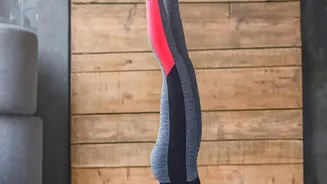
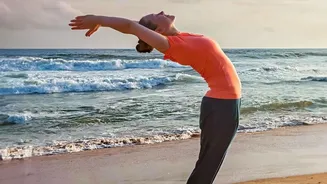
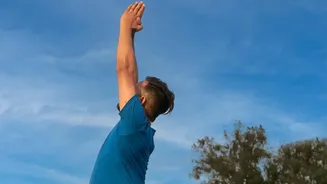
Inhaling, sweep your arms up and back, keeping them close to your ears. Gently arch your upper back, lifting your chest and creating a gentle stretch through the entire front of your body. This pose lengthens the spine, opens the shoulders, and stretches the abdomen.
Step 3: Hasta Padasana (Standing Forward Bend)
Exhaling, hinge forward from your hips, keeping your spine straight. Bring your hands down to the floor beside your feet. You can bend your knees slightly if needed. This pose provides a deep stretch for the hamstrings, calves, and the entire back of the body, while also improving circulation to the brain.
Step 4: Ashwa Sanchalanasana (Equestrian Pose)
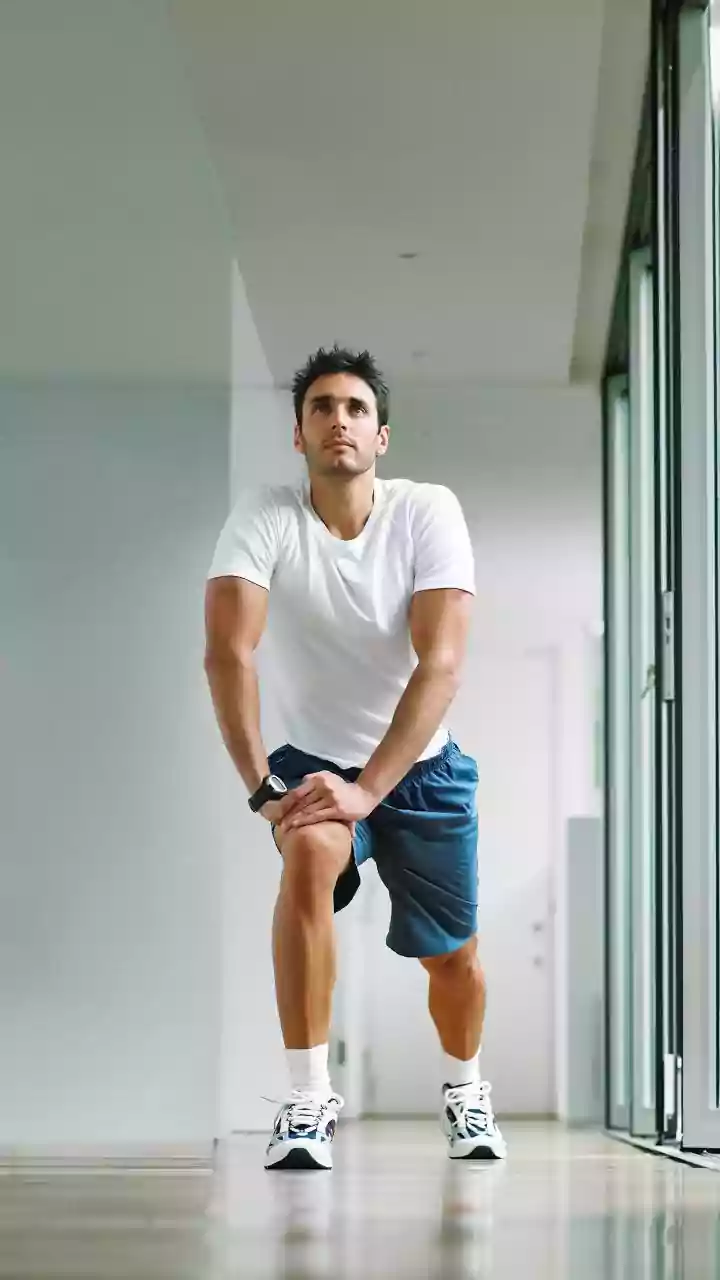
Inhaling, step your right leg back as far as possible, bringing the right knee to the floor. Your left knee should be aligned over your left ankle. Look forward. This low lunge stretches the hip flexors and quadriceps of the back leg and strengthens the front leg.
Step 5: Dandasana (Stick or Plank Pose)
Step your left leg back to join the right, holding your body in a straight line from head to heels, like a plank. This pose is excellent for building core strength and toning the arms and shoulders.
Step 6: Ashtanga Namaskara (Eight-Limbed Pose)
Gently bring your knees, chest, and chin to the floor while keeping your hips lifted. This unique pose strengthens the chest, arms, and shoulders while preparing the body for the next posture.
Step 7: Bhujangasana (Cobra Pose)
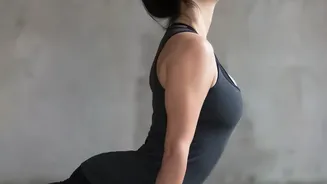
Inhaling, slide forward and lift your chest off the floor, keeping your pelvis grounded. This gentle backbend increases spinal flexibility, opens the chest and shoulders, and can help alleviate stress and fatigue.
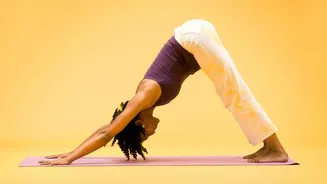
Step 8: Adho Mukha Svanasana (Downward-Facing Dog)
Exhaling, lift your hips and push back into an inverted 'V' shape. This iconic yoga pose strengthens the arms and legs while deeply stretching the hamstrings, calves, and spine. It is considered a rejuvenating pose that calms the mind.
Steps 9 to 12: The Sequence in Reverse
The sequence now reverses to bring you back to a standing position, completing the cycle. From Downward-Facing Dog, you inhale and step the right foot forward into Ashwa Sanchalanasana (Step 9), exhale into Hasta Padasana (Step 10), inhale while rising into Hasta Uttanasana (Step 11), and finally exhale as you return to the starting Pranamasana (Step 12). This symmetrical completion ensures both sides of the body are worked evenly.
Why This Flow is Considered Safe
The safety of Surya Namaskar comes from its intelligent design. The sequence alternates between forward bends and backbends, flexion and extension, which systematically warms and stretches the spinal column without sudden, jarring movements. Each pose prepares the body for the next, creating a logical progression of movement. Furthermore, the practice is highly adaptable. Beginners can move slowly, bend their knees, or use props to avoid strain, while more experienced practitioners can move at a faster pace for a cardiovascular workout. The key is to listen to your body and synchronize movement with breath, which calms the nervous system and prevents overexertion.