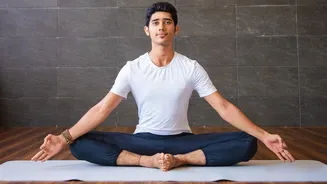





What Is Breath Awareness?
Breath awareness is the simple practice of observing your breath without trying to change it. Unlike 'breathwork,' which involves actively controlling your breathing, awareness is about passive observation. It’s about noticing the physical sensations:
the cool air entering your nostrils, the rise and fall of your chest or belly, and the brief pause between each inhale and exhale. The goal is not to force a deep or slow breath, but to simply be present with whatever your natural breathing pattern is in the moment. It serves as an anchor to the present, helping to bridge the gap between your conscious and unconscious mind.
Why Does This Simple Practice Matter?
The benefits of regularly tuning into your breath are surprisingly profound. One of the most immediate effects is stress reduction. Conscious breathing can activate the body's parasympathetic nervous system, also known as the 'rest and digest' response, which helps lower levels of stress hormones like cortisol. Studies suggest that this practice can reduce anxiety, improve emotional regulation, and enhance focus and concentration. By bringing your attention to the breath, you can calm distracting thoughts, which helps increase mental clarity. Over time, this can lead to better sleep, a greater sense of control, and an improved overall sense of well-being.
Your Short Seated Practice
You don't need special equipment or a lot of time. Just five minutes in a quiet space is a great start. Here’s a simple way to begin. 1. Find a Comfortable Position: Sit in a chair with your feet flat on the floor and your spine straight but not rigid. You can also sit cross-legged on a cushion. Let your hands rest comfortably in your lap. You can close your eyes, or if you prefer, keep them partially open with a soft, unfocused gaze. 2. Bring Attention to Your Breath: Start by simply noticing that you are breathing. Don’t try to change anything. Just observe. You might notice the air moving in through your nose and out through your mouth, or the gentle movement of your abdomen. 3. Anchor Your Focus: To help stay present, you can place a hand on your belly. Feel it rise slightly as you inhale and fall as you exhale. This physical sensation can act as an anchor for your attention. Silently note 'in' and 'out' with each breath cycle if that helps. 4. Gently Return When Your Mind Wanders: Your mind will wander. That is completely normal and expected. You might get lost in thoughts, to-do lists, or sounds around you. The practice is not to have an empty mind, but to notice when your attention has drifted and gently, without judgment, guide it back to the sensation of your breath. Every time you bring your focus back, you are strengthening your awareness.
Tips for Common Challenges
It’s common to face a few hurdles when you start. Many beginners feel restless, impatient, or even sleepy. It’s also normal to suddenly feel like you’re breathing 'manually' or that you might forget how. If any of this happens, know that it's part of the process. Rather than fighting these feelings, try to observe them with curiosity. Another common obstacle is simply remembering to practice. Try linking it to an existing daily habit, like just before your morning coffee or after you sit down at your desk. The key is consistency over intensity. A few minutes each day is more beneficial than one long session per week. Remember, the goal isn't perfection; it's gentle, consistent practice.