




A strong, defined upper body is a common fitness goal, but too often the focus is only on the muscles we see in the mirror. For true balance, strength, and posture, your back is the missing piece. Enter the seated row.
Why A Balanced Programme Matters
In many strength routines, 'upper
body day' becomes a celebration of pushing movements: bench presses, shoulder presses, and push-ups. While these are excellent for building the chest and shoulders, they tell only half the story. A balanced physique relies on an equal partnership between the muscles that push and those that pull. Neglecting your back can lead to muscle imbalances, which often contribute to a rounded, forward-slouching posture—a common issue for those who spend hours at a desk. Strengthening the back muscles not only helps you stand taller but also protects your shoulder joints and builds functional strength for everyday activities like carrying groceries or lifting heavy objects.
Meet The Seated Row: Your Back's Best Friend
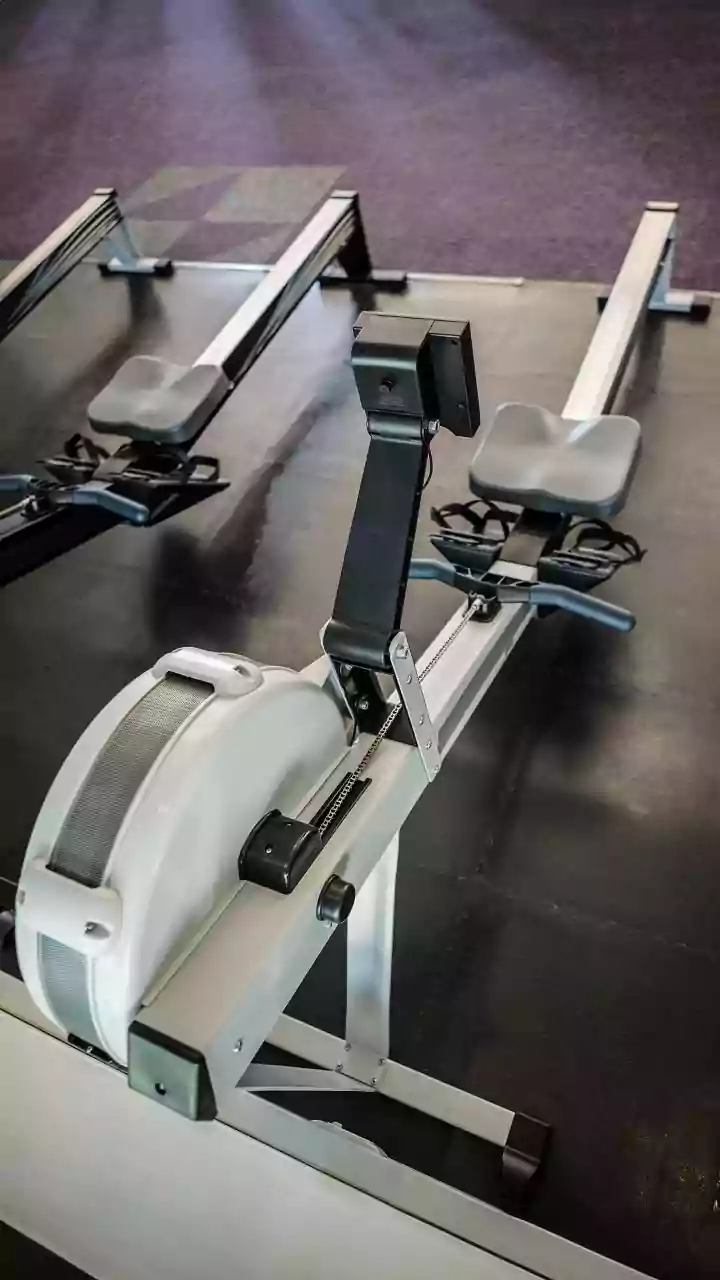
The seated row is a foundational pulling exercise, typically performed on a cable machine. It's a compound movement, meaning it works multiple muscle groups at once, making it incredibly efficient. The primary muscles targeted are in your middle and upper back, including the latissimus dorsi (the large 'wings' of your back), the rhomboids (located between your shoulder blades), and the trapezius (which runs from your neck down to your mid-back). Your biceps and rear deltoids (the back of your shoulders) also act as secondary movers, assisting in the pull. This makes the seated row a powerhouse for building back thickness and improving posture.
Perfecting Your Form: A Step-by-Step Guide
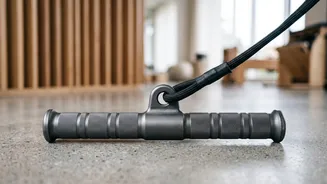
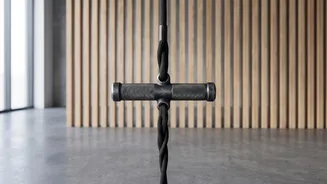
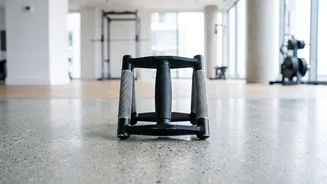
Proper form is crucial for targeting the right muscles and preventing injury. Sit on the bench with your feet on the platform and a slight bend in your knees. Sit tall with a straight, neutral spine and engage your core. Extend your arms to grab the handle—a V-grip is a common starting point. Before you pull, retract your shoulder blades, pulling them down and back as if trying to hold a pencil between them. Initiate the movement by driving your elbows back past your torso, keeping them close to your body. Pull the handle towards your torso, finishing around your belly button. Squeeze your back muscles for a moment at the peak of the contraction. Then, slowly extend your arms back to the starting position, controlling the weight on its return.
Common Mistakes To Avoid
Several common errors can reduce the effectiveness of the seated row and increase injury risk. The most frequent mistake is using momentum by swinging the torso back and forth. This takes the tension off your back muscles and places stress on your lower back. If you find yourself leaning back more than 10–15 degrees, the weight is likely too heavy. Another error is rounding your back, which compromises spinal safety. Always keep your chest proud and your spine straight. Also, watch out for shrugging your shoulders up towards your ears, which shifts the work to your upper traps instead of your mid–back. Finally, avoid pulling with just your arms; the movement should be initiated by your back muscles, with the arms following.
Integrating The Row Into Your Routine
For a truly balanced programme, aim to include one pulling exercise for every pushing exercise. This could mean pairing a set of bench presses with a set of seated rows. You can perform upper–body workouts two to three times per week, allowing at least 48 hours of rest for muscle recovery. A good starting point is to perform two to three sets of 8–12 repetitions of the seated row. As you get stronger, you can increase the weight, add reps, or try variations. Using a wide bar instead of a V–grip shifts more focus to the upper back and rear deltoids, while an underhand grip can increase bicep involvement. Resistance bands also offer a great at–home alternative to the cable machine.