



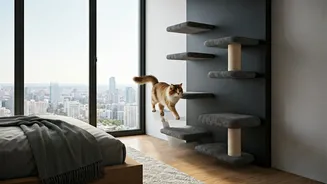


Why Cats Need to Climb
Cats are not just small, furry dogs. In the wild, their ancestors were both predators and prey, a duality that is hardwired into your domestic house cat. Climbing is not just a hobby; it’s an instinct. A high vantage point provides a sense of security,
allowing them to survey their territory for threats and opportunities (like an unsuspecting toy mouse). It's a safe space to retreat from a boisterous dog, a curious toddler, or even another cat in a multi-pet household. Denying a cat vertical space is like denying a bird the sky. It forces them to live in a two-dimensional world when they are built for three, which can lead to stress, anxiety, and behavioural issues like furniture scratching or aggression.
Beyond the Traditional Cat Tree
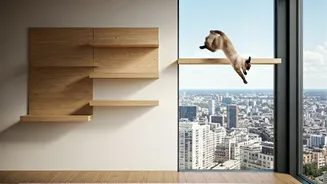
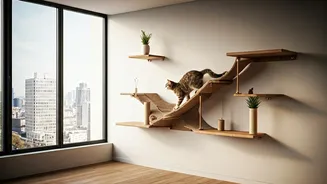
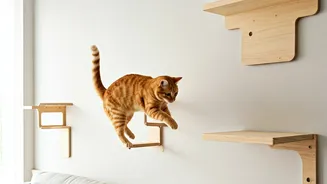
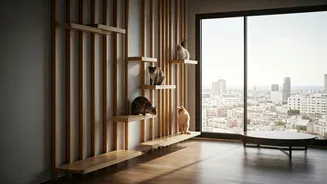
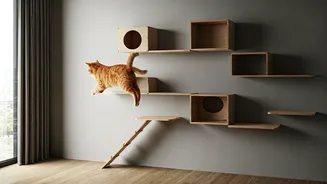
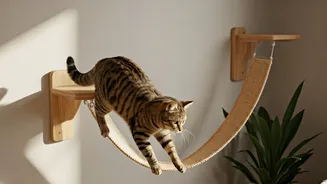
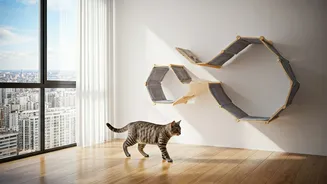
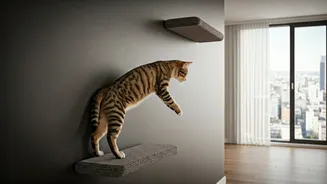
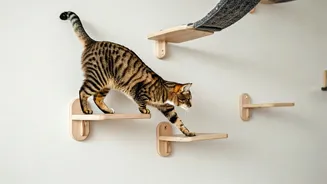
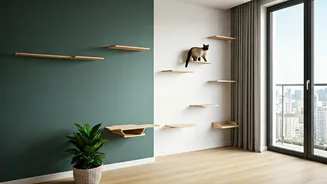
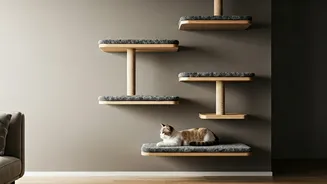
Cat trees have long been the standard solution, and they are certainly beneficial. However, they can be bulky, take up valuable floor space, and often don't provide the dynamic, challenging environment cats truly crave. This is where vertical wall bridges and shelving come in. These modern solutions turn your walls into an interactive playground. A wall-mounted bridge offers a unique combination of stability and slight movement, engaging your cat’s sense of balance and focus. By connecting shelves, perches, and hammocks with bridges, you can create a “cat superhighway” that allows your feline friend to navigate a room without ever touching the floor. This is especially valuable in smaller apartments or homes where floor space is at a premium.
Choosing the Right Bridge
When you start shopping, you’ll find a wide variety of options. The key is to prioritise safety and function. Look for bridges made from solid wood rather than particle board, which can sag or break over time. The walkway itself should offer good grip; common materials include sturdy rope slats or carpet-lined planks. Avoid slick, painted surfaces. Pay close attention to the weight rating. A well-built bridge should comfortably support your cat’s weight, even during a sudden pounce. Consider the length and flexibility of the bridge. A longer, more flexible bridge provides more of a challenge for an agile cat, while a shorter, more rigid one might be better for older cats or kittens who are still building their confidence.
Design and Placement Tips
Thoughtful placement is crucial for success. A bridge to nowhere is unlikely to see much use. Your goal is to create a logical path with clear destinations. Think like a cat: where would you want to go? Popular endpoints include a sunny window perch, a cozy wall-mounted bed, or a high shelf overlooking the home’s main living area. Create a circuit, not a dead end. Cats need to feel they have an escape route, so a single perch with only one way on or off might be ignored. Instead, design a loop or a branching path that offers multiple options. Start the highway with an accessible entry point, like a low shelf or the top of a sturdy piece of furniture they already use, to encourage that first step.
Installation: Safety is Non-Negotiable
This is not the time for a casual installation job. Your cat's safety depends on how securely the bridge and shelves are attached to the wall. The single most important rule is to anchor the hardware directly into wall studs. A simple drywall anchor is not strong enough to withstand the force of a cat jumping and running. Use a stud finder to locate the wooden supports within your walls and drill directly into them. Use the hardware that comes with your cat furniture, or upgrade to even stronger screws if you have any doubts. Once everything is installed, give it a firm tug and push test. It should feel completely solid, with no wobble or give. Only then should you introduce your cat to their new domain, using treats and praise to make it a positive experience.