


Understanding the Monsoon Risk
The combination of high humidity, which can reach 80-90% in India during the monsoon, and warm temperatures creates an ideal environment for harmful microorganisms like bacteria, mould, and fungi to thrive. This moisture in the air gets absorbed by food,
surfaces, and even wooden cabinets, accelerating spoilage and creating health hazards. Foodborne illnesses such as gastroenteritis, typhoid, and cholera see a spike during this season, primarily due to the consumption of contaminated food and water. Even food that seems safe can spoil in hours, not days.
The War on Damp Surfaces
Your countertops, chopping boards, and sink are the front lines in the battle against germs. Dampness is the enemy. Make it a strict habit to wipe down all surfaces with a dry cloth immediately after cooking or washing. Don't let water sit, especially around the sink area. Use a disinfectant cleaner or a solution of white vinegar and water to sanitize surfaces and chopping boards regularly. Pay special attention to cleaning and drying kitchen cloths, sponges, and towels, as they are prime spots for bacterial growth. It's also wise to run your exhaust fan during and after cooking to pull steam and moisture out of the air.
Smart Food Storage is Crucial
How you store your food can make all the difference. This is the single most important pre-monsoon task. Transfer all dry goods like rice, flour, lentils, and spices from their original packaging into airtight containers immediately after purchase. This prevents them from absorbing moisture, which leads to clumping, mould, and weevil infestations. For extra protection, you can lightly roast spices to remove moisture before storing them. Perishable items like leafy greens should be washed, dried thoroughly, and then stored in the refrigerator. Never leave cut fruits or vegetables exposed at room temperature; consume them immediately or refrigerate them in a sealed container.
Handle Fresh Produce with Extra Care
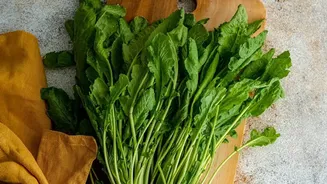
Fruits and vegetables are highly susceptible to contamination during the monsoon, as rainwater can splash contaminated soil onto them. It is essential to wash all produce thoroughly under clean, running water. For leafy greens, consider soaking them in water with a bit of salt or vinegar before rinsing to help dislodge germs. It's generally safer to consume cooked vegetables rather than raw salads during this period. If you do eat raw salads, ensure they are prepared at home with produce that has been meticulously cleaned.
Managing Leftovers and Refrigeration
Cooked food spoils much faster in humid weather. Avoid leaving leftovers at room temperature for more than a couple of hours. Refrigerate them promptly in covered containers to prevent contamination. Before eating leftovers, always reheat them thoroughly to kill any bacteria that may have developed. Your refrigerator also needs attention. Clean it regularly, inside and out, and defrost it every two weeks to prevent mould growth in the seals and condensation buildup. Ensure raw meat is stored separately from other foods to avoid cross-contamination.
Be Vigilant About Drinking Water
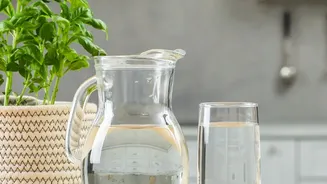
Waterborne diseases are a significant threat during the monsoon as heavy rainfall can contaminate public water supplies. Always drink water that has been boiled, filtered, or purified. Be cautious of ice cubes in drinks from outside vendors, as they may be made from unsafe water. At home, ensure your water purifier is serviced and functioning correctly. If boiling water, bring it to a rolling boil for at least one minute to ensure it is safe for consumption.