


The Fiery Avakaya of Andhra Pradesh
Hailing from Andhra, Avakaya is not for the faint of heart. This iconic pickle gets its name from 'ava' (mustard) and 'kaya' (raw fruit), pointing to its main ingredients: raw mangoes and a generous amount of powdered mustard seeds. Mixed with red chilli
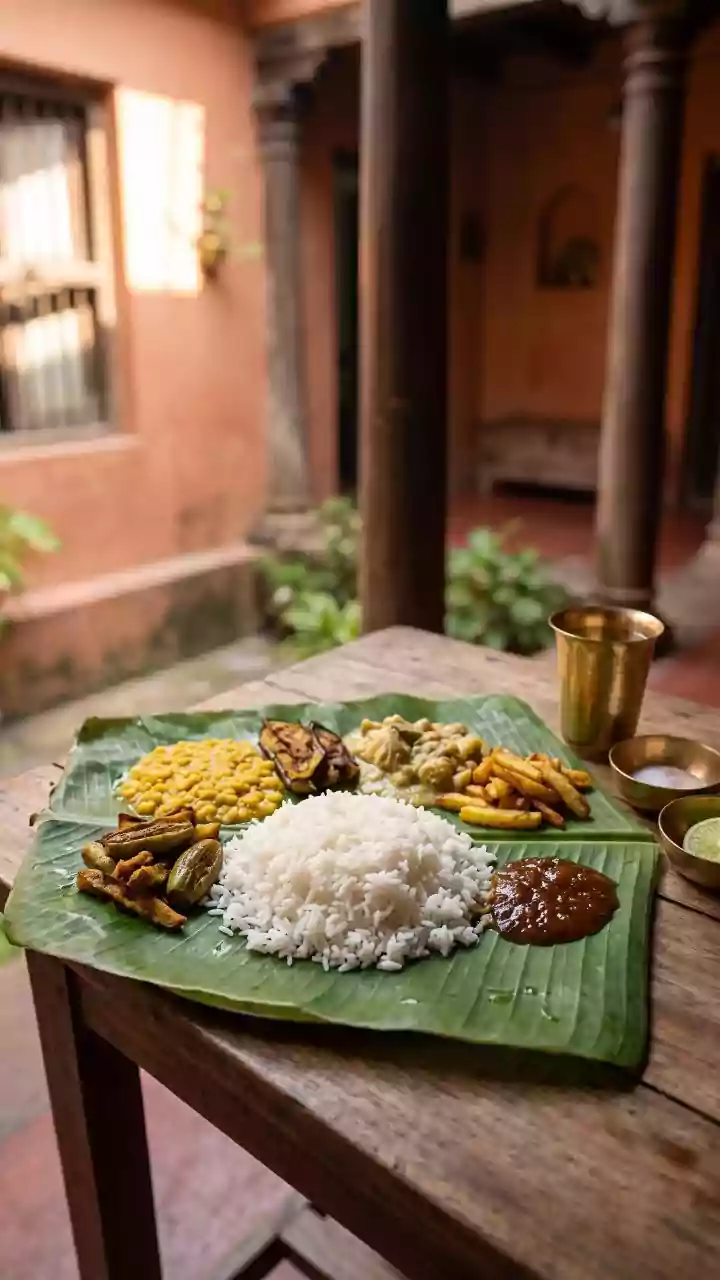
powder, turmeric, fenugreek, and sesame oil, the mango pieces marinate for days, absorbing the potent, spicy, and tangy flavours. A small spoonful of Avakaya is traditionally mixed with hot rice and a dollop of ghee, a combination many swear by. It also pairs wonderfully with curd rice, cutting through the creaminess with its sharp taste.
Gujarat’s Sweet and Spicy Gorkeri
Gorkeri is Gujarat's delicious answer to the classic mango pickle, offering a delightful balance of sweet and spicy. The name itself breaks down to 'gor' (jaggery) and 'keri' (mango). In this preparation, raw mango chunks are combined with jaggery, chilli powder, mustard seeds, and fenugreek. The mixture is traditionally left to mature in the sun, allowing the jaggery to melt into a thick, luscious syrup that coats the spiced mango pieces. Gorkeri is a fantastic accompaniment to theplas, khakhras, and simple rotis, providing a complex flavour profile that is simultaneously sweet, tangy, and mildly spicy.
Bengal’s Fragrant Gondhoraj Lebu Achaar
From West Bengal comes a pickle that is as much about aroma as it is about taste. Gondhoraj lebu, translating to the 'king of fragrance' lime, is a unique, oblong citrus fruit with a thick rind and an intoxicating scent. The pickle made from it captures this signature aroma. The lemons are typically cut, steamed until soft, and then mixed with spices like turmeric and chilli powder, and sometimes sweetened with a bit of jaggery. This pickle can instantly liven up a simple meal of dal and rice or add a zesty, aromatic kick to a fish curry.
Sikkim’s Fermented Mesu Pickle
Journeying to the Northeast, we find Mesu, a traditional pickle from Sikkim made with fermented bamboo shoots. The name, derived from the Limboo dialect, means 'sour bamboo shoot'. Young bamboo shoots are finely chopped, pressed tightly into a bamboo vessel, and left to ferment anaerobically for about a week or two. This process gives the pickle its characteristic sour, tangy flavour. It's then often mixed with mustard oil, chilli, and garlic. Mesu is a staple condiment in the region, adding a unique, pungent flavour to meals and showcasing a different side of India's pickling traditions.
The 'Nutrition-Rich' Question
While pickles are undoubtedly rich in flavour, calling them 'nutrition-rich' requires a balanced look. On the plus side, pickles made from fruits and vegetables retain some of their vitamins, such as Vitamin C from mangoes. The spices used, like turmeric and fenugreek, are known for their antioxidant properties. Traditionally fermented pickles can also be a source of probiotics, the beneficial bacteria that support gut health. However, it's crucial to be mindful of the high sodium and oil content in most Indian pickles, which are necessary for preservation. The key is moderation. A small spoonful is enough to enjoy the flavour and potential benefits without overdoing it.