



Let Your Home Breathe
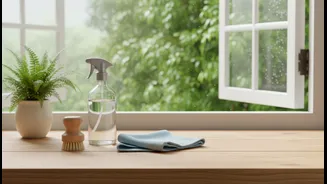
High humidity is the primary cause of that stuffy, damp feeling in our homes. The simplest habit to form is strategic ventilation. For at least 30 minutes a day, especially when it’s not actively raining, open windows on opposite sides of your home to create
a cross-breeze. This simple act pushes out stale, moist air and brings in fresh circulation, drastically reducing the chances of mould growth and musty smells. Using exhaust fans in kitchens and bathrooms, even after you’re done cooking or showering, is also crucial for pulling moisture out of the air.
Tackle Wardrobe and Storage Dampness
Wardrobes and closed cabinets are breeding grounds for mustiness and mould during the monsoon. A simple habit is to not overstuff them; allow air to circulate between your belongings. Get into the routine of placing moisture absorbers inside. You don’t need fancy gadgets—silica gel packets, small bags of activated charcoal, or even chalk sticks work wonders to soak up excess humidity. You can also place dried neem leaves or naphthalene balls in corners to keep pests and microbes at bay. Make sure clothes are bone-dry before storing them.
Embrace Natural Deodorizers
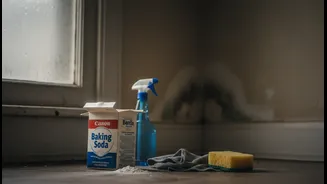
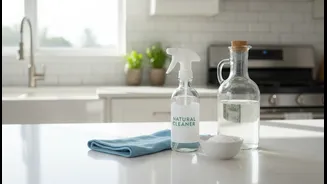
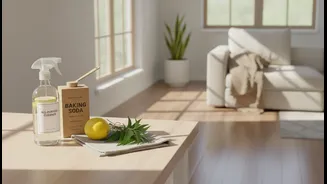
Instead of masking odours with chemical air fresheners, which can be overpowering, adopt the habit of using natural alternatives to absorb and neutralize bad smells. A small bowl of baking soda or white vinegar left in a corner of a room can effectively absorb musty scents. Baking soda is alkaline and neutralizes odour molecules, while vinegar’s acidity breaks them down. For a pleasant fragrance, simmer cinnamon sticks and orange peels in a pot of water, or place bowls of dried flower petals like rose or mogra in your living spaces.
Manage the Entryway
Your home’s entrance takes the biggest hit during the monsoon. A simple but effective habit is to create a dedicated 'wet zone'. Place a highly absorbent coir or rubber doormat outside to catch most of the mud and water. Inside, have a separate mat and a shoe rack for wet footwear. Make it a household rule that wet shoes and umbrellas are left in this area to dry completely before being taken further inside or stored. Stuffing wet shoes with newspaper helps them dry faster and retain their shape. This prevents muddy tracks and stops moisture from spreading.
Mind Your Furnishings and Floors
Upholstery, carpets, and rugs act like sponges for moisture, leading to fungal growth and smells. If possible, roll up heavy carpets and store them for the season. For sofas and curtains, regular vacuuming is a must to remove dust that traps dampness. Adopt the habit of wiping down floors daily. Even if they don't look dirty, damp floors can quickly become breeding grounds for germs. Use a disinfectant cleaner or add a capful of vinegar to your mopping water to help kill bacteria and keep surfaces fresh.
Keep Furniture and Walls Dry
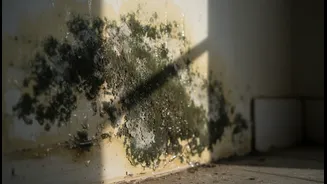
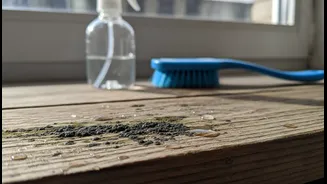
Wooden furniture can swell and get damaged by constant dampness. Get into the habit of moving furniture about six inches away from walls, especially external ones, to improve air circulation and prevent mould from growing behind them. Regularly wipe down wooden surfaces with a dry, soft cloth. Polishing or waxing furniture before the monsoon begins can create a protective barrier. For walls, immediately wipe away any condensation you notice. A quick check for any water stains or peeling paint can help you spot leaks early before they cause major issues.