



Beyond Likes: What is Creator Commerce?
Creator commerce is the evolution of influencer marketing. Instead of simply being paid to promote other companies' products, creators are now selling directly to their audiences. This can take many forms: launching their own product lines, curating collections
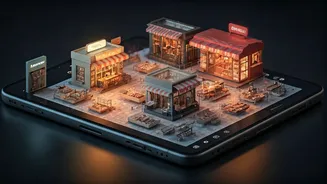
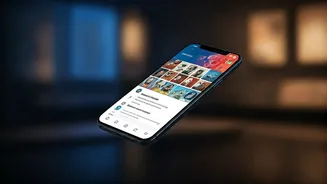
on e-commerce platforms, or using integrated shopping features on social media to sell items in real-time during a live stream. [4] It collapses the journey from discovery to purchase into a single, seamless experience, often happening without ever leaving the social media app. [4] The key difference is trust. [4] Traditional advertising relies on a brand's claims, whereas creator commerce leverages the deep, long-standing trust a creator has built with their community. [4, 6] This transforms influencers from being mere advertisers into powerful, independent retail channels. [4]
The Perfect Storm: Why India, Why Now?
India presents a unique and fertile ground for this trend. The combination of the world's cheapest mobile data, massive smartphone penetration, and a booming digital payments infrastructure like UPI has created the perfect environment. [2] A significant driver is the rise of vernacular content. Creators making content in regional languages are reaching Tier-2 and Tier-3 cities, connecting with audiences who never trusted English-language advertising in the first place. [4, 5] This has democratized influence, with brands increasingly valuing the high engagement of nano-influencers (1K-10K followers) who have deep roots in their communities. [5] Recent reports highlight this surge, with creator-influenced spending already estimated at $350-400 billion and projected to cross $1 trillion by 2030. [8] The social commerce market in India, which underpins this trend, is expected to grow from around $8.9-$29 billion in 2025 to over $54-$143 billion by the early 2030s, showcasing a massive compound annual growth rate. [2, 9]
Powering the Push: The Platforms and Enablers
This boom isn't happening in a vacuum. Both global and homegrown platforms are heavily investing in features that facilitate creator commerce. YouTube launched its Shopping affiliate program in India in late 2024 in partnership with giants like Flipkart and Myntra, allowing creators to tag products directly in videos. [23] Similarly, Instagram now allows creators to tag up to 30 products in a single Reel, turning short-form video into a shoppable experience. [23] Homegrown platforms like Meesho, Moj, and Roposo were, in some cases, built with commerce at their core, enabling seamless in-app transactions. [4, 9] This infrastructure is crucial, turning the 'link in bio' from a clunky extra step into a frictionless, integrated part of the content itself. [4]
From Influencer to Entrepreneur
This shift is fundamentally changing what it means to be a creator in India. Many are now full-fledged entrepreneurs, launching their own direct-to-consumer (D2C) brands. [17] Comedian Bhuvan Bam was a pioneer with his merchandise brand 'Youthiapa'. [17, 18] More recently, creators like beauty influencer Malvika Sitlani (MASIC), comedian Kusha Kapila (Underneat), and food creator Sanjyot Keer (YFL Home) have launched successful brands in beauty, apparel, and kitchenware. [20, 21] This move provides creators with a more sustainable and owned revenue stream beyond the unpredictability of brand deals and ad revenue. [21] It's a sign of a maturing industry, with a 2026 report noting that over 15% of active professional creators in India are now registered as formal business entities. [5]
The Road Ahead: Challenges and Opportunities
While the opportunity is immense, the path is not without challenges. Creators stepping into commerce must now grapple with logistics, customer service, inventory management, and the legal complexities of running a business. [22] The formalization of the sector, potentially through measures like the proposed National Creator Economy Bill, aims to bring structure but also adds compliance requirements. [11] However, the upside is undeniable. Creator commerce is set to unlock new waves of entrepreneurship and bring millions of new shoppers online, particularly from smaller cities. [14] For brands, the playbook has changed; success now depends on treating creators as long-term strategic partners, not just as channels for one-off campaigns. [6, 8] For consumers, it means a future where shopping is more personal, community-driven, and seamlessly integrated into the content they love.