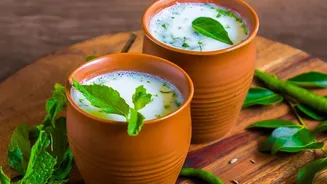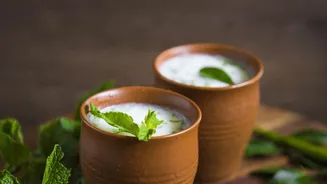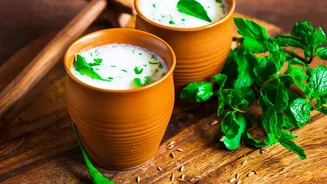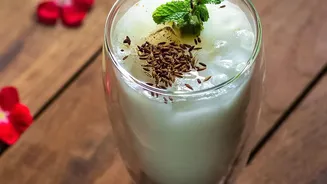




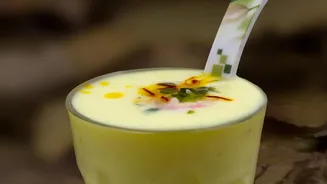


The Coastal Cooler: What is Sol Kadhi?
Hailing from the Konkan coast, particularly Goa and Maharashtra, Sol Kadhi is a beloved digestive drink with a distinctive pale pink hue. It’s made from two primary ingredients: coconut milk and the dried rind of the kokum fruit (Garcinia indica). Traditionally
consumed after a meal, especially a spicy one, it's known for its soothing and cooling properties. The kokum provides a pleasant tartness, while the fresh coconut milk lends a creamy, subtly sweet balance. Often seasoned with a hint of ginger, cumin, or green chillies, this beverage is not just a treat for the palate but also a traditionally valued digestive aid.
The Fermented Powerhouse: What is Kanji?
Kanji is a fermented beverage popular in North India, traditionally prepared during the winter months. Its most common base is black carrots (kali gajar) or beetroot, which give the drink its deep, vibrant purple colour. The process involves fermenting these vegetables in water with salt and ground mustard seeds for several days. This fermentation gives Kanji its signature tangy, pungent, and earthy flavour. Unlike the creamy Sol Kadhi, Kanji is a watery, savoury drink often consumed as an appetiser to stimulate digestion. The natural fermentation process is what turns this simple drink into a probiotic powerhouse.
Gut Health, The Desi Way
The resurgence of these drinks is directly linked to the growing global focus on gut health and probiotics. Kanji, through its fermentation, is rich in probiotics—live beneficial bacteria that support a healthy digestive system. Regular consumption is associated with improved digestion, reduced bloating, and a stronger immune system. While Sol Kadhi's probiotic claims are milder and depend on preparation, the key ingredient, kokum, is packed with antioxidants and known to have anti-inflammatory properties that aid digestion and soothe the stomach. Together, they represent a form of traditional wisdom that aligns perfectly with modern wellness trends seeking natural, food-based solutions for health.
From Home Kitchens to Hip Cafes
So why are these age-old recipes suddenly appearing on cafe blackboards? The shift is driven by a new generation of consumers who are increasingly health-conscious and curious about their culinary heritage. They are seeking out local, sustainable alternatives to commercially produced beverages. These drinks offer a unique flavour profile that stands out from the usual cafe fare. For cafe owners, adding Sol Kadhi and Kanji to the menu is a way to cater to the wellness trend while also offering a taste of authentic Indian culture. It taps into a sense of nostalgia for some, while providing a novel experience for others, bridging the gap between traditional home cooking and the modern coffee shop experience.
A Sip of Nostalgia and Novelty
For many Indians, these drinks are not just beverages; they are steeped in memories of home, family, and seasonal rituals. Seeing them in a commercial setting is a form of cultural validation, celebrating the depth and wisdom of Indian culinary traditions. For a younger, globalised audience, these drinks offer an authentic, story-rich experience. They are not just consuming a healthy product but also participating in a larger cultural narrative. This crossover appeal is key to their newfound popularity, making them more than just a passing fad. They represent a delicious and healthy way to connect with the past while looking toward a more mindful future.