




Food is often a vessel for memory, a sensory link to moments and people we hold dear. Sonia Gandhi recently offered a rare glimpse into this very sentiment, sharing cherished memories of Kashmiri food at her mother-in-law Indira Gandhi's home.
A Nostalgic Diwali Conversation
In a candid
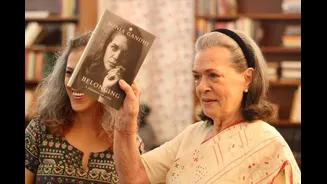
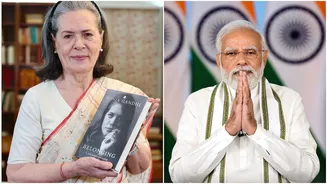
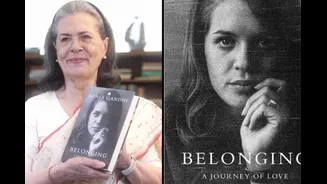
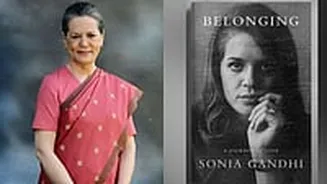
conversation with her daughter Priyanka and granddaughter Miraya ahead of Diwali, Sonia Gandhi took a walk down memory lane at 1, Safdarjung Road, the former official residence of Indira Gandhi. While reminiscing about how the home would be beautifully illuminated with countless diyas, she fondly recalled a key part of their festive traditions. "And then, on festivals, we always used to have Kashmiri food," she shared, adding that the practice continues in the family to this day. This nostalgic sharing, which came just before the release of her memoir, 'Belonging: A Journey of Love', opens a window into the private world of one of India's most prominent political families and its enduring cultural customs.
The Flavours of Kashmir on the Table
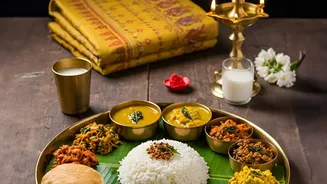
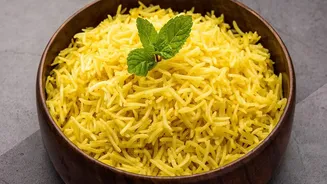
The mention of Kashmiri food was not just a passing remark; it points to a deep-seated family heritage. The Nehru-Gandhi family has Kashmiri Pandit roots, and this connection was often expressed through its culinary traditions. Sonia Gandhi specifically remembered the preparation of a sweet rice, likely the traditional 'Modur Pulav', a fragrant dish often cooked during celebrations. Her memoir also sheds light on other dishes that were staples, such as mutton koftas and haak, a simple but essential Kashmiri leafy green. These meals were more than just food; they were a private expression of the family's ancestral identity, a taste of home that persisted through generations, even while living far from the Valley.
Indira Gandhi's Enduring Kashmir Connection
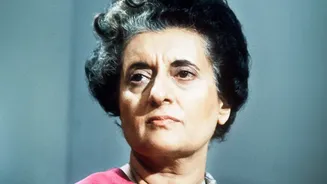
The presence of Kashmiri cuisine at the Prime Minister's residence was a direct reflection of Indira Gandhi's profound love for the region. She considered it her ancestral land and a place of immense natural beauty. Friends and biographers note her fondness for Kashmiri embroidered shawls and the ceremonies of her ancestors. Although she reportedly could not cook herself, she possessed a refined palate and knew exactly what a dish needed. Her connection went beyond the culinary; just days before her assassination in October 1984, she made a final, poignant trip to Kashmir. She had a deep desire to see the chinar leaves in their full autumn glory, a sight she cherished. Sonia Gandhi recalls that this sudden urge to visit Kashmir came from a deep, internal place, a final call from the land she loved so dearly.
Food, Family, and the Fabric of History
For Sonia Gandhi, who initially found it difficult to adapt to Indian cuisine, these food traditions became an integral part of her life in a new country. In her memoir, she describes how, upon her marriage to Rajiv Gandhi, her motherinlaw made a conscious effort to include rituals from the Kashmiri side of the family. The wedding was celebrated with a traditional Kashmiri meal, marking her formal introduction to these flavours. This integration of food and family ceremonies highlights how personal tastes and public duties intertwined at 1, Safdarjung Road. The dining table was not just a place for meals but a space where politics, personal history, and diverse cultural threads came together, creating a unique tapestry of Indian life.