


The Soul of Pepper Rasam
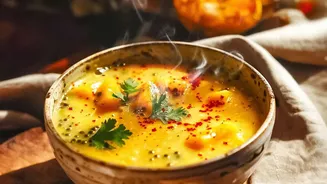
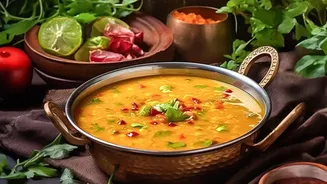
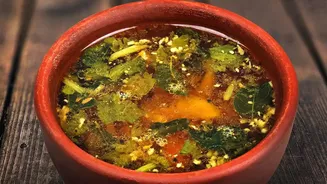
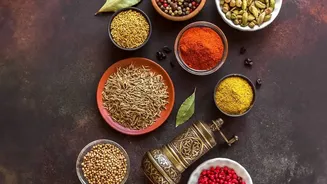
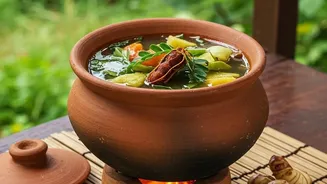
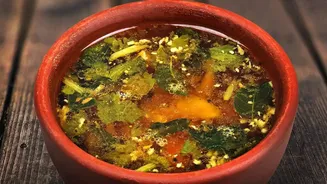
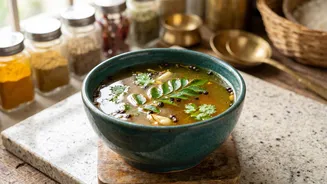
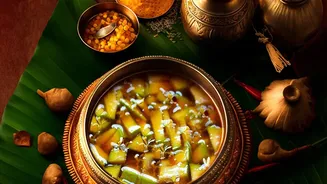
Pepper rasam, known as 'milagu rasam' in Tamil, is a traditional South Indian soup-like dish. Its foundation is a tart liquid, typically tamarind water, simmered with tomatoes, spices, and its star ingredient, freshly ground black pepper. Other key players
include cumin, garlic, and turmeric, all of which contribute to its distinctive, pungent aroma. Unlike many other dishes, pepper rasam is defined by its simplicity and its quick preparation time. The goal is to create a light, flavorful, and warming broth that is easy to digest, which is why it has long been a go-to food for those feeling under the weather.
A Comforting Tradition in Flu Season
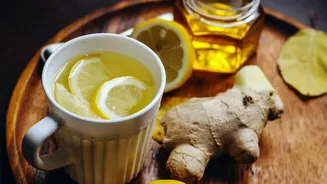
The association between pepper rasam and recovery from illness is deeply ingrained in household traditions. It is widely considered a comforting remedy for symptoms of the common cold, such as a blocked nose or a sore throat. The science behind this tradition points to a few logical factors. The warm, hydrating nature of the broth can be soothing, and hot fluids have been shown to provide temporary relief from congestion. Black pepper, the main spice, is known for its warming properties, while garlic and other spices contribute to the overall feeling of comfort. While it's not a medicine, this nourishing broth can be a gentle and appealing way to get some nutrients and hydration when appetite is low.
The Core Difference: A Tale of Two Consistencies
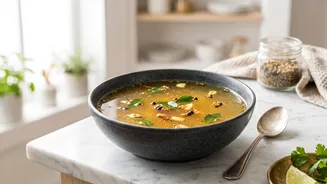
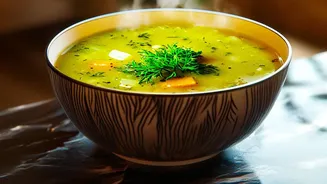
The most significant distinction between pepper rasam and a thick curry lies in their consistency. Rasam is, by definition, thin, watery, and broth-like. It is meant to be poured like water or sipped like a soup. Some recipes include a small amount of cooked lentil water (toor dal) for a slightly fuller body, but many versions are made without any lentils at all, keeping them light and translucent. Thick curries, on the other hand, are designed to be gravies. Their dense texture is achieved by various methods depending on the region and recipe. Common thickeners include ground coconut, nut pastes (like cashew or almond), yogurt, cream, or a base of slow-cooked, blended onions and tomatoes. These ingredients create a rich, hearty sauce designed to coat rice or be scooped up with bread.
Flavor Profiles: Sharp and Tangy vs. Rich and Creamy
The differences in texture are matched by a divergence in flavor. Pepper rasam delivers a sharp, tangy, and pungent taste. The sourness from the tamarind and tomato is balanced by the sharp heat of black pepper and the earthy notes of cumin. The flavor is immediate and stimulating. Thick curries offer a more complex, layered flavor profile. The slow cooking of the base ingredients, combined with creamy or rich elements, results in a deeper, mellower taste. The spices are often more rounded and integrated into the gravy, providing warmth without the sharp, peppery kick that defines rasam. While both can be spicy, the nature of the spice is fundamentally different.
Role in a Meal: Appetizer vs. Main Course
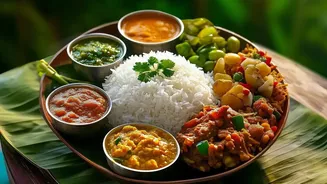
How each dish is served also highlights its unique identity. Rasam often plays a supporting role in a traditional South Indian meal. It might be served as a starter to awaken the palate, or in a small course after a heavier sambar to aid digestion before moving on to curd rice. It's also commonly mixed with a small portion of rice. In contrast, a thick curry is almost always the centerpiece of the main course. It is served in a larger quantity alongside staples like rice, roti, or naan, which are used to soak up the substantial gravy. While you might sip rasam from a cup, you would never do the same with a thick chicken or paneer curry.