






Beyond the Binary of Gym vs. Yoga
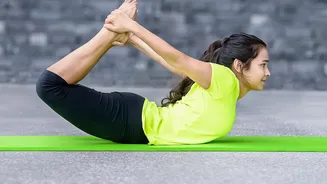
The modern Indian approach to fitness is evolving beyond a simple either/or choice. Many are finding that exclusively lifting weights can lead to stiffness, while a pure yoga practice might lack the explosive power needed for a robust, functional body.
This has created a space for a new philosophy: an integrated approach that honours the wisdom of tradition while embracing the science of modern strength and conditioning. Instead of seeing these disciplines as separate, a growing movement of trainers and enthusiasts are combining them, creating workouts that are both culturally resonant and highly effective. This hybrid model isn't about rejecting one for the other; it's about creating a system that builds a complete, resilient human body—one that is strong, mobile, and mindful.
What This Fusion Looks Like in Practice
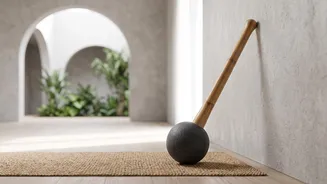
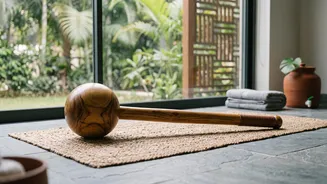
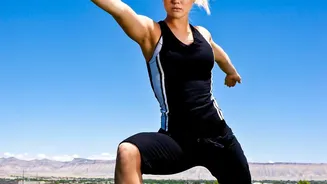
This new wave isn't just a concept; it has a distinct look and feel. Workouts might begin with the flowing postures of Surya Namaskar to warm up the spine and joints, then transition into strength-building exercises using traditional equipment. Tools like the Gada (mace) and Mudgar (Indian clubs), once the preserve of pehlwans (wrestlers) in akharas, are making a major comeback. Swinging a Gada builds incredible rotational power and shoulder stability, a challenge that standard dumbbells often can't replicate. These sessions might also incorporate dynamic bodyweight movements drawn from wrestling traditions, such as Dand (Hindu push-ups) and Baithak (deep squats), which build muscular endurance and flexibility simultaneously. Furthermore, some routines draw from the ancient martial art of Kalaripayattu, incorporating its animal-inspired postures and fluid movements to enhance agility and coordination.
The Search for Functional, Holistic Strength
So, why is this happening now? The shift is driven by a collective move away from purely aesthetic goals towards a desire for holistic health and longevity. Many Indians working desk jobs are not looking for more intensity; they are seeking relief from a sedentary lifestyle. This has fueled interest in functional fitness—training that prepares the body for real-life activities. The movements found in traditional Indian physical culture are inherently functional. For centuries, they were used to prepare warriors for battle and wrestlers for combat, developing not just muscle, but also endurance, balance, and mental grit. Today's revival of these practices speaks to a desire to build a body that doesn't just look good, but feels strong, capable, and pain-free in everyday life.
A Return to Cultural Roots
This fitness trend is also deeply connected to a renewed sense of cultural pride. For many, it's about reclaiming and celebrating indigenous knowledge systems. Integrating traditional practices like yoga, Ayurveda, and martial arts into modern life is a way of connecting with one's heritage. Fitness becomes more than just a physical activity; it becomes a practice rooted in thousands of years of wisdom. This approach offers a holistic vision of wellness that addresses the body, mind, and spirit together, a concept central to Indian philosophies. By blending the old with the new, people are creating a fitness identity that feels both authentic and relevant to their lives today, moving beyond Western-centric models to something uniquely Indian.