


Choose Your Battle: Select the Right Trek
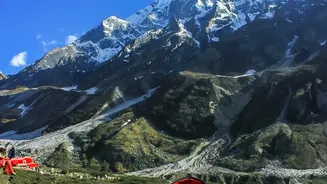
Not all trails are created equal, especially during the monsoon when the terrain is notoriously fragile. High-altitude routes in landslide-prone districts like Rudraprayag and Chamoli should be approached with extreme caution. Instead of aiming for treacherous
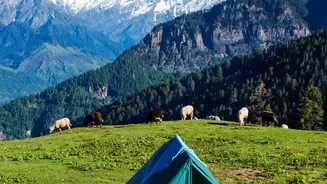
paths, consider treks known for their relative safety and accessibility in the rains. The Valley of Flowers, for instance, is a UNESCO World Heritage Site that peaks in beauty during this season, with a well-defined trail making it manageable for prepared beginners. Other options like Nag Tibba, close to Dehradun, offer a rewarding weekend experience through dense, misty forests on a stable path, making it an excellent choice for those with limited time. Treks like Dayara Bugyal also provide a safer alternative, featuring gradual ascents and vast meadows that avoid narrow, risky ridges. Always research your chosen trail for recent closures or warnings.
Monitor Conditions Like a Pro
In the monsoon, the weather is the undisputed boss. The India Meteorological Department (IMD) frequently issues orange and red alerts for heavy rainfall across Uttarakhand. As of early August, authorities are on high alert, with officials urging tourists to avoid unnecessary travel. Your trip planning must be dynamic. Check the official IMD Dehradun forecast and district-level warnings daily in the week leading up to your trek. Pay close attention to advisories from the Uttarakhand State Disaster Management Authority. Landslides can block key highways, and intense rainfall can cause flash floods, turning streams into raging torrents in minutes. If a heavy rainfall warning is issued for your chosen dates or district, do not hesitate to postpone or cancel your plans. The mountains will be there next time.
Gear Up for a Drenching
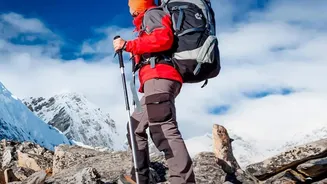
Packing for a monsoon trek is about smart preparation, not just bringing more stuff. Your gear can be the difference between a memorable adventure and a miserable struggle. The absolute non-negotiables are high-quality waterproofs. Opt for a reliable rain jacket and pants over a simple poncho, which can be ineffective in high winds. A waterproof rain cover for your backpack is essential to keep your clothes and electronics dry. Invest in waterproof trekking shoes with deep lugs for superior grip on slippery, muddy trails. Inside your pack, use dry sacks to compartmentalise electronics, warm layers, and your sleeping bag. Quick-dry clothing is a must; cotton is a liability as it holds moisture and will make you cold. Finally, consider waterproof socks or anti-leech socks for comfort and protection in wet, leech-prone forest sections.
Don't Go It Alone: The Value of Local Expertise
While the spirit of independence is in the air, this is not the time for solo adventures on unfamiliar mountain trails. Hiring a certified local guide is the single most important safety decision you can make. Local guides possess invaluable, up-to-the-minute knowledge of the terrain, weather patterns, and safe routes that no map or GPS can provide. They can identify potential hazards like unstable slopes or rising water levels long before you can. When booking, ask the trekking agency to confirm that their guides are certified and have specific experience leading monsoon treks in that region. A good guide not only ensures your safety but also enriches the experience with insights into local culture and nature, turning a simple walk into a meaningful journey.
On-Trail Discipline and Health
Once you're on the trek, discipline is key. Always start your day early to cover maximum ground in daylight and avoid afternoon downpours, which are common. Establish a strict turnaround time for each day’s hike; if you haven't reached your destination by then, turn back to ensure you reach camp before dark. Be vigilant. Watch the path ahead for signs of fresh rockfall and listen for the sound of rising rivers. Drink plenty of water and stay nourished. High altitude combined with wet conditions can sap your energy faster than you expect. Finally, be aware of the symptoms of Acute Mountain Sickness (AMS)—headache, nausea, dizziness. If you or a team member feels unwell, do not ascend further. A certified guide will be trained to monitor for AMS and make the right call.