



The Ideal Beginner's Run: Brahmpuri to NIM Beach
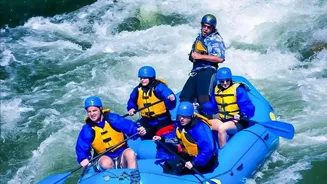
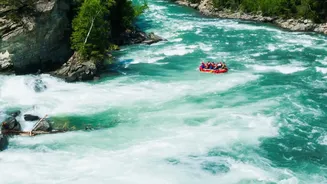
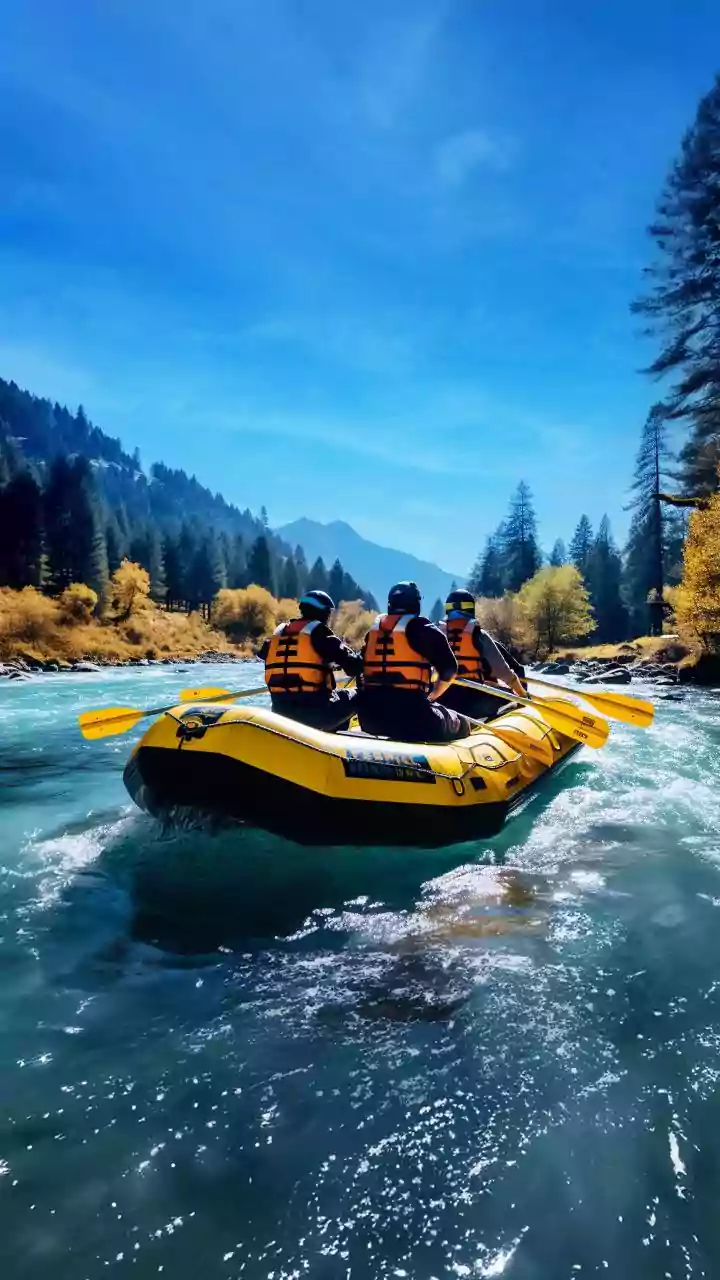
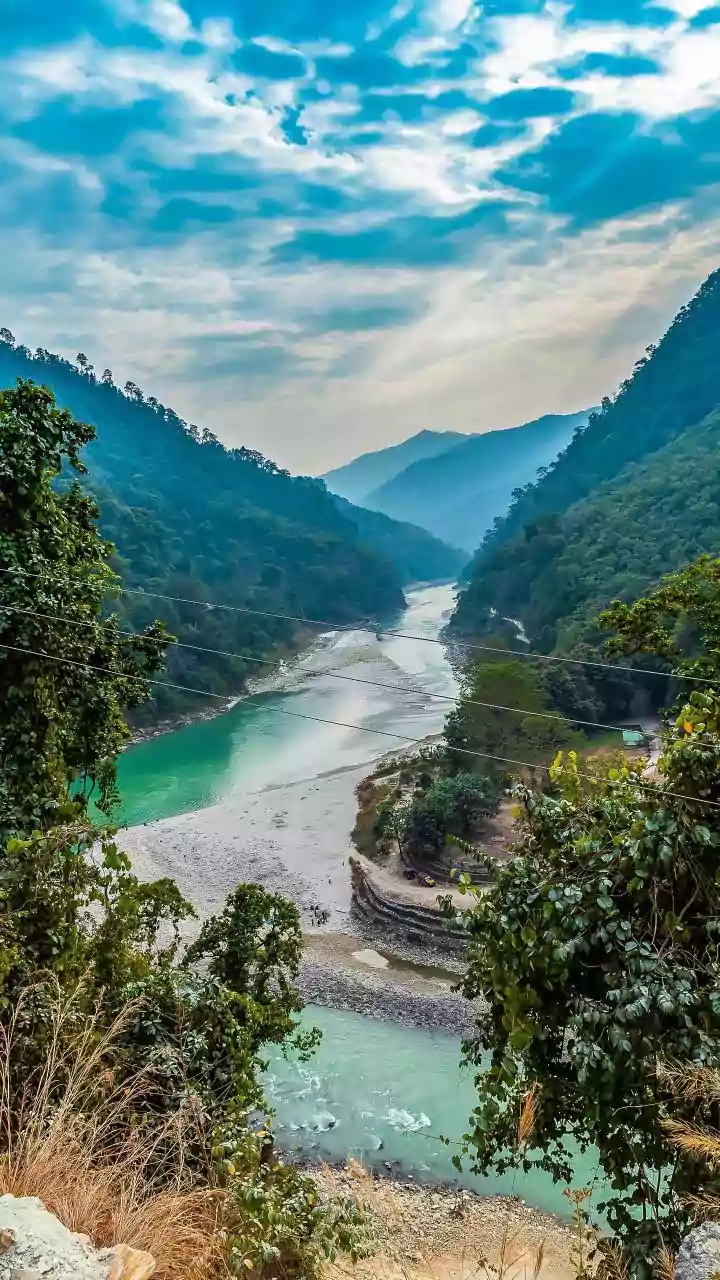
The 9-kilometre stretch from Brahmpuri to NIM Beach is unanimously recommended for first-timers, families, and those who are nervous about rafting. Taking about 1.5 to 2 hours, this section is the gentlest introduction to the sport. The rapids here are classified
as Grade I and II, which means you'll encounter playful waves and small splashes rather than intimidating torrents. Key rapids like 'Sweet Sixteen' and 'Hilton' provide a taste of excitement without being overwhelming. Post-monsoon, the water volume is ideal—energetic but manageable. This stretch also boasts a near-perfect safety record. Many operators include a stop for cliff jumping into the calm river waters, which is a highlight for many visitors and is done with a life jacket on.
The Adventurous Novice: Shivpuri to Rishikesh
For beginners who feel a bit more daring, the 16-kilometre route starting from Shivpuri is the most popular rafting trip in Rishikesh. It offers a significant step up in thrill, featuring Grade II and III rapids like 'Roller Coaster' and 'Golf Course'. This journey of about 3 hours provides a fuller rafting experience. While operators market this to beginners, it's essential to assess your comfort level, especially in late September when water levels can still be robust. The rapids are more frequent and powerful than the Brahmpuri stretch. It is perfectly safe when done with a professional guide but demands more active paddling and attention to commands. If you want a genuine dose of adrenaline while still operating within beginner-friendly parameters, this is the stretch for you.
Choosing Your Guide: The Most Important Safety Decision
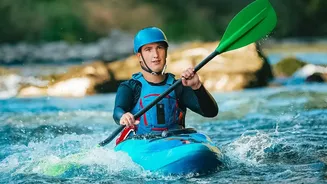
The quality of your rafting operator is the single most critical factor for a safe trip. Don't just book the cheapest option. A reputable company will be certified and employ licensed, experienced guides who are trained in first-aid and rescue procedures. Before the trip begins, they should provide a comprehensive safety briefing, teaching you paddle commands and what to do if you fall into the water. Inspect the equipment; it should be in excellent condition. This includes a personal flotation device (life jacket) that fits snugly and a sturdy helmet. An oversized life jacket is a significant safety hazard. Ask about the guide-to-rafter ratio and ensure they carry safety equipment like throw bags.
What to Wear and Bring for a Safe Trip
Dressing appropriately is crucial for both comfort and safety. Wear quick-drying synthetic clothing like a t-shirt and shorts. Avoid cotton, as it gets heavy and cold when wet. For footwear, secure sandals with a backstrap, river shoes, or old sneakers are ideal; flip-flops will get lost. The sun can be intense, so apply waterproof sunscreen generously. If you wear glasses, secure them with a strap. Leave valuables like wallets, phones (unless in a waterproof bag), and non-waterproof watches at your hotel. Most operators provide a dry bag for small essentials. Listen to your guide—they know the river intimately and their instructions are designed to keep you safe while ensuring you have a fantastic time.