

The Rise of the Micro-Trend
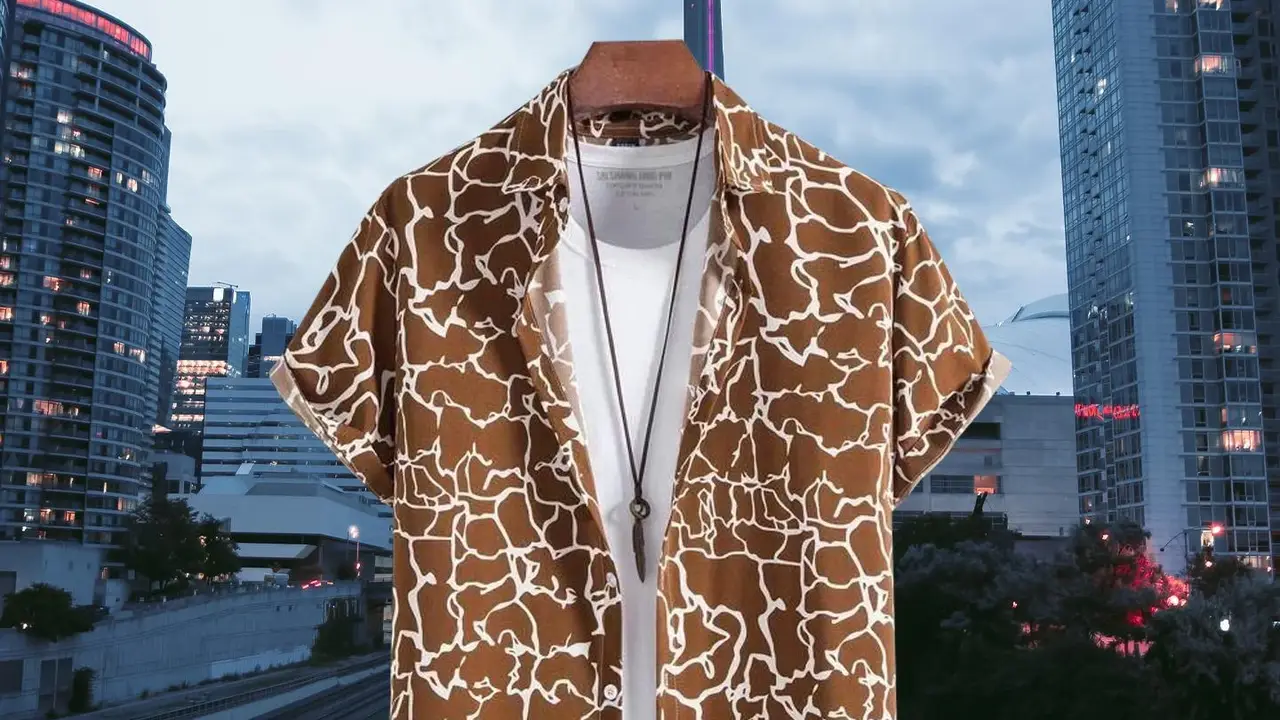
It starts with a scroll. You’re on TikTok or Instagram and notice a specific aesthetic taking over: 'Tomato Girl Summer', 'Office Siren', or the latest '-core' trend. These are micro-trends: fleeting styles that explode in popularity and then vanish within
weeks or months. Unlike the seasonal collections of the past, today's fashion landscape is defined by dozens of these mini-cycles a year, each demanding a new, specific wardrobe. This rapid-fire succession creates a constant feeling of being behind, pressuring you to buy into the next new thing before it disappears. The cycle is so fast that by the time an order arrives, the trend might already feel stale, creating a perpetual sense of dissatisfaction and the impulse for the next purchase.
From Catwalk to Cart in Days
This manufactured urgency is the core of the ultra-fast fashion business model, pioneered by giants like Shein and Temu. Where traditional retail once operated on seasonal drops, these companies have compressed the timeline from design to delivery to mere days. Shein, for example, can add thousands of new styles to its site every single day. They achieve this by using sophisticated algorithms to scrape social media for emerging trends, then placing small, initial orders with a vast network of factories. If an item sells well, they produce more; if not, it’s discontinued. This 'test and repeat' model allows them to respond to consumer demand in near real-time, making the trend cycle faster than ever before.
The Algorithm-Influencer Machine
Social media is the engine of this accelerated cycle. Platforms like TikTok and Instagram don't just reflect trends; they create and amplify them. Algorithms push engaging content, like 'Shein hauls' and 'outfit of the day' videos, to massive audiences, creating a sense of widespread consensus about what's 'in'. Influencers are a key part of this, receiving products and sponsorships to promote these fleeting looks. This creates a powerful psychological pull. When you see item after item being styled by creators you follow, it triggers a fear of missing out (FOMO) and a desire for social validation, making the impulse to buy feel less like a choice and more like a necessity to keep up.
The Hidden Cost of Speed
This relentless need for 'new' has significant consequences. For individuals, it leads to financial strain and psychological burnout from the constant pressure to consume. Collectively, the impact is even greater. The ultra-fast fashion model is built on overproduction and disposability. Garments are often made from cheap, synthetic materials and are worn only a handful of times before being discarded, contributing to enormous amounts of textile waste in landfills. The environmental toll includes massive water consumption, chemical pollution from dyes, and carbon emissions from production and global shipping. Furthermore, the pressure to produce clothes so quickly and cheaply often comes at the expense of garment workers, who may face low wages and unsafe working conditions.
Reclaiming Your Personal Style
Stepping off this trend treadmill can feel daunting, but the first step is recognizing the urgency for what it is: a marketing strategy. The feeling that you need that new item is deliberately manufactured. The antidote isn't necessarily a strict shopping ban, but a shift in mindset towards developing your personal style. When you know what truly works for you, what you feel good in, and what lasts, you become less susceptible to the fleeting whims of micro-trends. It's about moving from being a reactive consumer, constantly chasing the next algorithm-approved item, to a conscious individual who uses clothing for genuine self-expression. This involves focusing on quality over quantity and rediscovering the joy in pieces that you'll love for years, not just for a week.