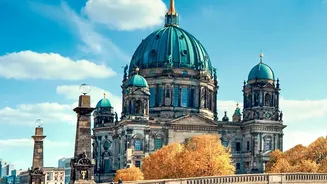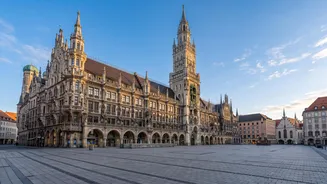



The Golden Appeal of Autumn
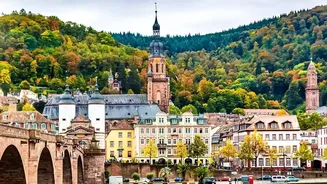
Imagine walking through the Black Forest as it trades its deep greens for fiery shades of gold, red, and orange. This is Germany in autumn (September to November), a season that’s quickly gaining popularity. The weather is cool and pleasant, perfect for outdoor
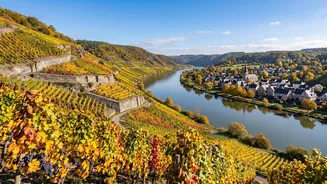
activities without the summer crowds. This is the time for wine festivals, especially along the famous German Wine Route, where you can experience the annual harvest. Iconic sights like the fairytale Neuschwanstein Castle are framed by spectacular autumn foliage, creating picture-perfect moments. Cities like Munich host not just the world-famous Oktoberfest but also other cultural festivals in a more relaxed atmosphere. For many Indian travellers, this season, often falling after Diwali, presents a perfect window for an international trip.
A Fairytale Winter Wonderland
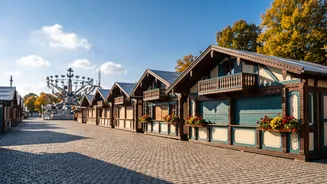
While summer is for sightseeing, winter in Germany (December to February) is for soaking in the atmosphere. The country transforms into a festive wonderland, best known for its enchanting Christmas markets. Cities like Nuremberg, Cologne, and Frankfurt set up magical stalls selling handcrafted gifts, traditional treats like gingerbread, and warm mulled wine, known as Glühwein. Even for those not accustomed to the cold, the festive cheer is infectious and offers a unique cultural experience. Beyond the markets, the snow-dusted landscapes, especially in the Bavarian Alps, offer breathtaking views and opportunities for gentle winter sports. It's a chance to see Germany's historic towns and castles in a completely different, quieter light.
Spring’s Vibrant Awakening
As the winter chill subsides, spring (March to May) brings Germany back to life with colour. This 'shoulder season' is considered by many to be an ideal time to visit, offering a sweet spot of mild weather and moderate crowds. Parks and gardens erupt in blooms, and cities like Bonn become famous for their stunning cherry blossom tunnels. It’s an excellent time for sightseeing and exploring the countryside as it awakens. You can enjoy hiking and cycling before the summer heat arrives. Spring festivals, known as Frühlingsfest, also take place in cities like Munich and Stuttgart, offering a lively, local alternative to the more tourist-heavy Oktoberfest.
The Smart Economics of Off-Season Travel
One of the most compelling reasons for this shift is the significant cost savings. Travelling during the shoulder seasons or the off-season can be much gentler on the wallet. Flights and accommodation rates are often considerably lower compared to the peak summer months of June to August. According to travel experts, visiting between March and May or from October to November can lead to substantial savings, with hotels sometimes being 20-40% cheaper. This allows travellers to either extend their stay or upgrade their experiences, getting better value for their money. With fewer tourists, popular attractions have shorter queues, making for a more relaxed and enjoyable visit.
Seeking a More Authentic Connection
Recent data shows that Indian travellers are increasingly looking for more authentic and immersive experiences. Moving away from crowded hotspots allows for a deeper connection with the local culture. When there are fewer tourists, interactions with locals become more genuine, whether at a neighbourhood cafe or a regional festival. Visiting during these quieter times means seeing the country as it really is, not just as a tourist destination. The German National Tourist Office has noted this trend, highlighting that Indian visitors are staying longer and exploring regions more deeply. This shift reflects a desire to move beyond conventional sightseeing and create more meaningful travel memories.