




The Immunity-Boosting Pointed Gourd (Parwal)
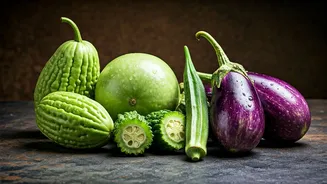
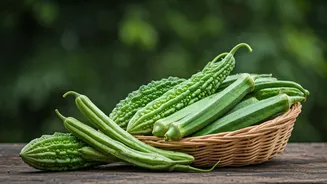
Often overlooked, the humble parwal (or potol in some regions) is a nutritional powerhouse. This small, green vegetable is incredibly easy to digest, making it perfect for a season when sluggish digestion can be a common complaint. Rich in Vitamin A,
Vitamin C, and antioxidants, it helps bolster your immune system, which is crucial for fending off common monsoon ailments like colds and flu. Its fibrous nature also helps keep your gut healthy. Whether stir-fried with simple spices, stuffed with masala, or added to a light curry, parwal is a versatile and essential addition to your monsoon plate.
The Hydrating Bottle Gourd (Lauki)
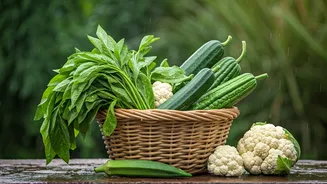
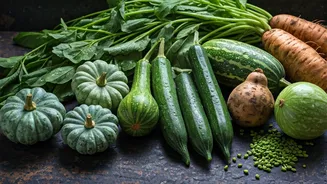
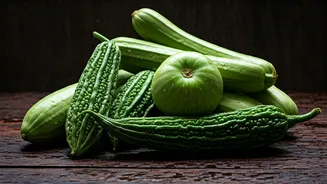
Lauki might not be the most glamorous vegetable, but its benefits during the monsoon are undeniable. Composed of over 90% water, it is exceptionally hydrating and light on the stomach. This makes it an excellent choice for keeping your system clean and cool. Its low-calorie, high-fibre profile aids in weight management and promotes digestive wellness. Traditional wisdom suggests that lauki has a cooling effect on the body. From the classic lauki ki sabzi and comforting soups to savoury koftas, this gourd absorbs flavours beautifully, making it a star ingredient for a healthy and satisfying meal.
The Powerful Bitter Gourd (Karela)
The taste of karela may be an acquired one, but its health benefits make it worth the effort. Bitter gourd is loaded with antiviral and antibacterial properties, acting as a natural shield for your body during the infection-prone rainy season. It is celebrated in Ayurveda for its blood-purifying properties and its ability to improve skin health, tackling issues like acne and boils that can flare up in the humid weather. It's also an excellent source of Vitamin C. A simple trick to reduce its bitterness is to marinate sliced karela in salt and lemon juice before cooking. Try it in a crisp stir-fry or a stuffed preparation to truly appreciate its unique character.
The Understated Indian Round Gourd (Tinda)
Another monsoon-specific gem, tinda, or apple gourd, is a small, round vegetable that deserves more recognition. Like its gourd cousins, it has a high water content and is extremely low in calories, making it a fantastic addition to any diet. Tinda is rich in antioxidants and anti-inflammatory properties, which help protect the body from cellular damage and reduce the risk of chronic diseases. Its mild flavour makes it incredibly versatile; it can be stuffed, curried, or simply cooked with tomatoes and spices for a quick and nutritious meal that won't weigh you down.
The Quintessential Monsoon Corn (Bhutta)
Is it even monsoon without the sight and smell of roasted bhutta? This seasonal delight is more than just a nostalgic snack. Corn is a good source of complex carbohydrates, providing sustained energy. It's also packed with fibre, which aids digestion and helps maintain a healthy gut. The antioxidants lutein and zeaxanthin found in corn are beneficial for eye health. Whether you enjoy it roasted over coals with a smear of lemon and masala, or boiled and tossed into salads and soups, corn is a delicious and wholesome way to celebrate the rainy season.
The Versatile Okra (Bhindi)
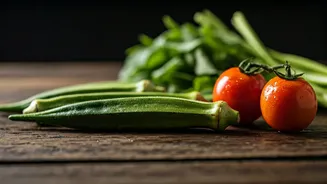
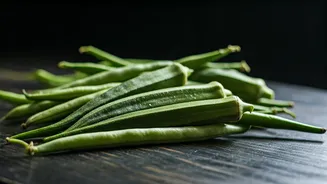
While available for a large part of the year, okra truly shines during the monsoon. It is an excellent source of soluble fibre, which helps in stabilising blood sugar levels and promoting good gut bacteria. Its slimy texture, known as mucilage, can help soothe the digestive tract. To avoid a sticky outcome, ensure you pat the bhindi completely dry before chopping and cook it on high heat. Kurkuri bhindi (crispy fried okra) or a simple bhindi masala are classic preparations that bring out the best of this popular vegetable, offering both flavour and nutrition.