

A Creative Culinary Renaissance
For years, high-end baking in India often meant faithfully recreating Western classics. But a significant shift is underway. Driven by a large vegetarian population and a growing desire for familiar flavours, Indian bakers are now confidently infusing
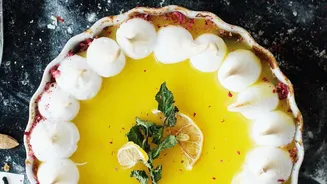
global techniques with local sensibilities. This isn't just about swapping out eggs; it's a creative renaissance. It's about asking: what if a French croissant had a hint of saffron, or a rustic sourdough loaf was made with ancient Indian millets? This movement is fuelled by a new generation of home bakers and professional pastry chefs who are leveraging social media to showcase their unique creations, inspiring a nationwide trend. The result is a vibrant fusion that honours both tradition and innovation, creating desserts and breads that are both globally inspired and proudly Indian.
Artisan Breads with an Indian Soul
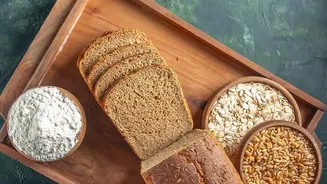
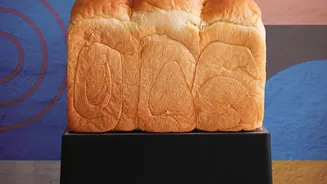
The sourdough craze that swept the globe has found a unique expression in India. While classic loaves remain popular, artisan bakers are pushing boundaries by incorporating indigenous grains. Health-conscious consumers are seeking out breads made with traditional millets like ragi, jowar, and bajra, which are naturally gluten-free and packed with nutrients. These flours lend the bread a unique, slightly nutty and earthy flavour profile that sets them apart from their Western counterparts. The trend reflects a broader movement towards healthier, more sustainable eating habits and a renewed appreciation for India's agricultural diversity. Bakers are experimenting with everything from millet baguettes to multigrain loaves, crafting breads that are not only delicious but also deeply rooted in Indian culinary heritage.
The Eggless Evolution in Patisserie
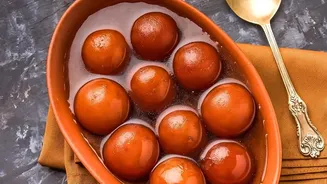
Making delicate French pastries without eggs, a cornerstone of classical baking, presents a significant technical challenge. Yet, Indian bakers have risen to the occasion with remarkable ingenuity. The demand for eggless options, driven by cultural and dietary preferences, is immense, with some estimates suggesting that 60-70% of cake orders in India are for eggless varieties. To achieve the desired lightness and texture, bakers use a variety of substitutes like yoghurt, vinegar with baking soda, and fruit purées. But the innovation doesn't stop there. These reimagined classics are often infused with beloved Indian flavours. You might find pistachio and saffron macarons, gulab jamun cheesecakes, or cupcakes flavoured with cardamom and rose, turning a global treat into a nostalgic experience.
Cakes That Taste Like Celebration
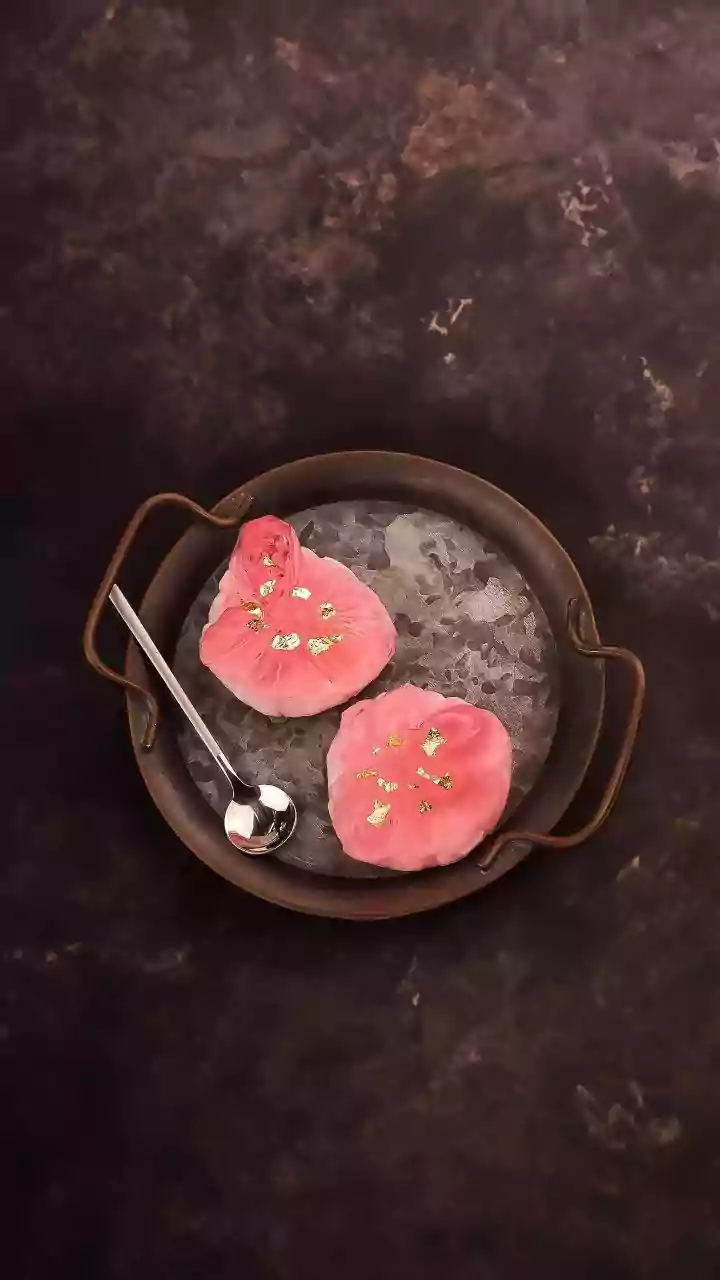
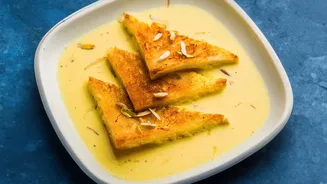
The fusion trend is perhaps most visible in the world of cakes. Traditional Indian sweets are being brilliantly integrated into modern cake formats. The Rasmalai cake, where a soft sponge is soaked in the iconic saffron-cardamom milk, has become a modern classic. Similarly, flavours of Gajar ka Halwa, Motichoor Ladoo, and Kesar Pista are finding their way into cupcakes, cheesecakes, and layered tortes. These creations are not just novelties; they are a hit because they tap into a deep-seated love for traditional mithai while offering the celebratory appeal of a Western-style cake. This blend allows for the best of both worlds, satisfying both modern aesthetics and traditional palates.
Beyond Vegetarian: The Vegan Frontier
As plant-based diets gain popularity globally and in India, the baking scene is evolving once again. Vegan baking takes the challenge a step further, eliminating not just eggs but all dairy products like milk, butter, and cream. Chefs are now mastering the use of plant-based milks, nut creams, and oils like coconut or cacao butter to create desserts that are indulgent and cruelty-free. This has led to the rise of luxury vegan patisseries offering everything from creamy cheesecakes to delicate mousses that rival their dairy-based counterparts. This trend demonstrates a growing consciousness around health and sustainability, proving that plant-based desserts can be just as decadent and creative.