



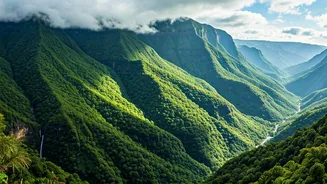


The Monsoon's Verdant Allure
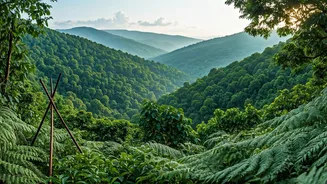
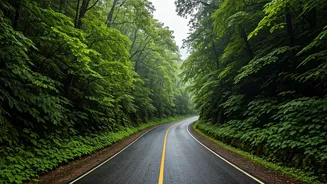
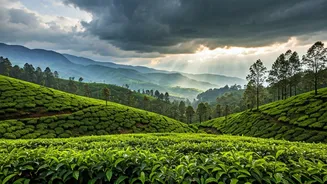
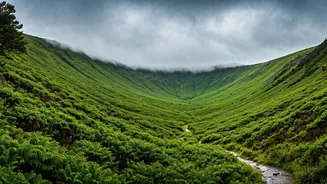
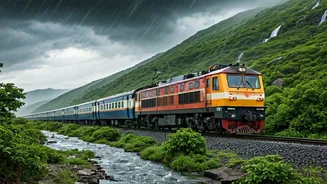
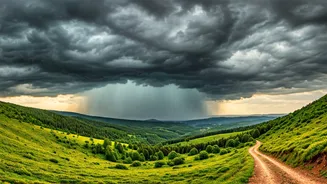
There’s a reason why Wayanad transforms into an influencer's paradise when the skies open up. The monsoon doesn't dampen spirits here; it breathes life into the landscape. Hillsides are draped in countless shades of green, seasonal waterfalls roar back
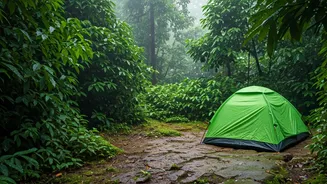
to life, and a perpetual blanket of mist lends a mystical, almost cinematic quality to every view. This is what those viral reels are capturing: not just a place, but a mood. The sound of rain on a tent, the smell of wet earth, and the sight of clouds rolling through the valleys offer a sensory experience that feels both raw and deeply restorative, a perfect antidote to the urban grind.
What 'Eco-Camping' Really Means
This isn't your average weekend camping trip with a plastic tent and a bag of chips. The 'eco' in eco-camping is the defining feature. In Wayanad, this trend is driven by a desire for low-impact tourism. It’s about staying in places that prioritise sustainability. This often means campsites constructed with natural, locally sourced materials, a strict no-plastic policy, and waste management systems like composting toilets. The experience is designed to leave the delicate ecosystem as untouched as possible. It's less about the amenities you have and more about what you don't: no loud music, no concrete jungles, and no disconnect from the natural world just outside your tent flap.
A Day in the Drizzling Wild
So, what does a day of eco-camping in monsoon-swept Wayanad look like? It often begins with waking up not to an alarm, but to the symphony of birdsong and the soft patter of rain. Mornings are for sipping hot chai while watching mist snake through the trees. Activities are guided by nature itself. You might embark on a trek led by a local guide who can point out the unique flora and fauna of the Western Ghats, from tiny frogs to vibrant orchids. Afternoons could be spent reading by a stream or simply doing nothing at all. Evenings are for gathering around a responsible, contained campfire, sharing stories, and eating simple, delicious meals often cooked with local produce. It's a return to a slower, more intentional pace of life.
Choosing a Responsible Camp
With the trend's growing popularity, it's important to choose an operator that genuinely walks the talk. Look for camps that are transparent about their sustainability practices. Do they employ local guides and staff? This ensures your money benefits the community directly. Ask about their waste disposal methods and water conservation efforts. A true eco-camp will be proud to share this information. Check reviews for mentions of cleanliness, respect for nature, and the authenticity of the experience. Many of the best spots are smaller, family-run enterprises that focus on providing an intimate and respectful encounter with Wayanad's wilderness rather than just a place to sleep.
Packing for a Monsoon Adventure
Packing smart is crucial for enjoying a rainy-season camping trip. Your comfort depends on it. First on the list: reliable waterproof gear. A good rain jacket and waterproof trousers are non-negotiable. Opt for quick-drying clothes made of synthetic fabrics rather than cotton, which stays wet forever. A sturdy pair of trekking shoes with excellent grip is essential for navigating slippery trails. Don't forget leech socks—an unglamorous but vital accessory for monsoon treks in the Ghats. Also pack a waterproof bag or dry sack for your electronics, a power bank (as charging points may be limited), a torch, and a basic first-aid kit. Being prepared allows you to fully immerse yourself in the experience without worrying about being cold or wet.